Jamaica's Scotch bonnet shortage squeezes hot sauce makers across the Caribbean
Jamaica’s Scotch bonnet crop has tightened so much that Walkerswood canceled orders, a sign a pepper shortage is rippling from farms to export shelves.
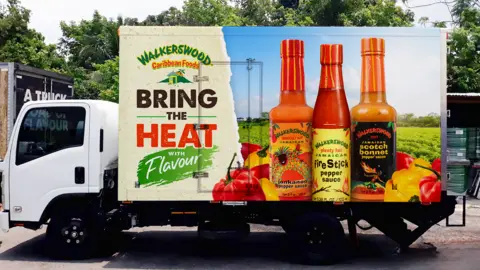
Scotch bonnet peppers, the backbone of Jamaican hot sauce and jerk seasoning, have become harder to find just as manufacturers across the Caribbean face rising costs and missed export orders. Associated Manufacturers, which makes Walkerswood sauces and seasonings, said the shortage forced it to cancel orders, a setback for a brand that ships more than 95 percent of its products abroad.
The strain is landing in a market where pepper sauce is not a niche item but a staple condiment and a major export. Walkerswood said about two-thirds of its overseas sales go to the United States, with additional demand in markets including the United Kingdom and Australia. The company said it shipped the equivalent of 500 20-foot containers overseas last year, and Scotch bonnet sauce remains its top product. Fresh peppers must be crushed and used within about a week to preserve the color consumers expect, leaving little room for disruption once supply tightens.

Producers say the shortage reflects a rare convergence of extreme weather, disease and pests. Hurricane Beryl damaged Jamaica’s hot pepper crop in July 2024, and later losses from Hurricane Melissa in October 2025 worsened the agricultural hit. Heavy rains can also dull the peppers’ heat and flavor, while some farmers shifted to hardier crops such as sweet potato after Beryl, further reducing supply for processors. The pressure is not limited to Scotch bonnet alone: RJR News reported that pimento prices climbed from $550 to $700 per pound as manufacturers struggled to secure key inputs.
The squeeze comes despite Jamaica’s growing role in the pepper trade. The country produced 20,120 metric tonnes of hot peppers in 2022, up from 15,998 metric tonnes in 2018, and hot pepper export earnings rose to US$2.68 million in 2021 from US$1.5 million in 2012. Even so, local farmers could meet only 45 percent of agro-processors’ demand. Jamaica’s Business Development Corporation says more than 50 percent of the island’s agro-processed products use pepper as a main ingredient, making reliable supply a broader industrial issue rather than a single-crop problem.
Officials and development agencies have tried to shore up the sector. The Jamaica Business Development Corporation has urged farmers to supply manufacturers instead of selling only at the farm gate, arguing that Scotch bonnet and jerk are central to Brand Jamaica. The Food and Agriculture Organization has warned that Jamaica’s seed industry is highly unregulated, allowing poor-quality seed to drag down yield and competitiveness. A three-year hot pepper value-chain project launched in 2022 and running through March 2025 focused on phytosanitary standards, food safety, clean seed production and export access to the European Union, the United Kingdom, Canada and the United States. With the global hot pepper market valued at about US$4.1 billion, Jamaica’s shortage is a reminder that climate shocks can move quickly from a field in St Elizabeth to a supermarket shelf in Kingston, Miami or London.
This article was produced by Prism’s automated news system from verified source data, official records, and press releases, then run through automated quality and moderation checks before publishing. The system is built and supervised by the people who set the standards it runs under. Read our full AI policy.
Did this article answer your question?

