January shootings leave several dead and wounded across Baltimore
Multiple shootings and murders have been logged across Baltimore this month, underscoring ongoing public safety concerns.
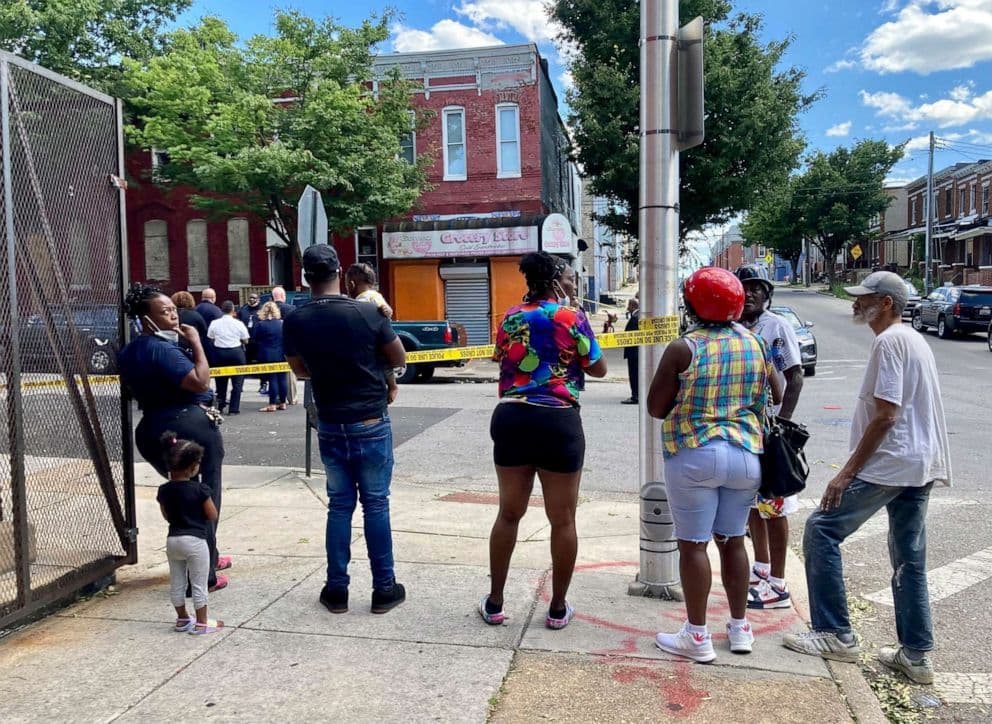
A running log compiled from police and hospital reports for January 2026 shows a string of fatal and nonfatal shootings across Baltimore through midmonth, highlighting persistent public safety and policy challenges for city residents and officials.
The incidents include an unidentified man who was shot and killed in the area of Linden Avenue and West North Avenue in the early morning hours of January 18. Earlier in the month, a 30-year-old man shot in the 2500 block of Terra Firma Road on January 14 died after the attack. That same day authorities recorded the fatal shooting of 36-year-old Davon Johnson inside a home in the 700 block of East 25th Street. Nonfatal incidents reported in the log include a 55-year-old man shot in the foot in the 4700 block of Litchfield Avenue on January 12 and a 25-year-old man who self-checked into a hospital after being shot in the 4400 block of Parkside Drive on January 12 and was expected to survive.
These entries form part of an ongoing tally that local reporters and officials update as new police and hospital information becomes available. The incidents span varied times and neighborhoods, from predawn killings to daytime shootings, underscoring the citywide nature of gun violence rather than confinement to a single corridor.
For residents, the immediate impacts are concrete: grieving families, neighborhood safety concerns, and increased pressure on emergency medical services and law enforcement. Repeated early-year shootings often shape community conversations about resource allocation for policing, violence-prevention programs, and social services. They also influence civic engagement: local voters, neighborhood associations, and advocacy groups typically use crime trends to press City Hall and the Baltimore Police Department for clearer strategies, program funding, and accountability measures.
Institutionally, these incidents will test how quickly police investigations produce leads and arrests and how municipal leaders balance short-term enforcement with longer-term investments in violence interruption, youth programs, and mental health services. Budget cycles and upcoming municipal political calendars make early-year crime patterns particularly salient for candidates and incumbents framing public safety platforms.
Tracking and transparency are key for accountability. Continued updates to the log provide residents and policymakers an empirical basis to measure whether interventions reduce shootings over time. For communities directly affected, the next weeks will be a measure of whether law enforcement and city agencies translate the pattern of shootings into actionable changes in patrol tactics, community outreach, and preventive funding.
What comes next for Baltimore will depend on how city institutions and voters respond: whether the pattern prompts immediate enforcement shifts, renewed investment in community-based prevention, or broader policy debates at City Hall that reshape the city’s public safety priorities.
Sources:
Know something we missed? Have a correction or additional information?
Submit a Tip