Japan bear attacks surge fivefold, prompting hunting policy shift
Japan’s bear deaths have jumped fivefold in three months, with 50,776 sightings and a Tokyo plan to end a 20-year hunting ban.
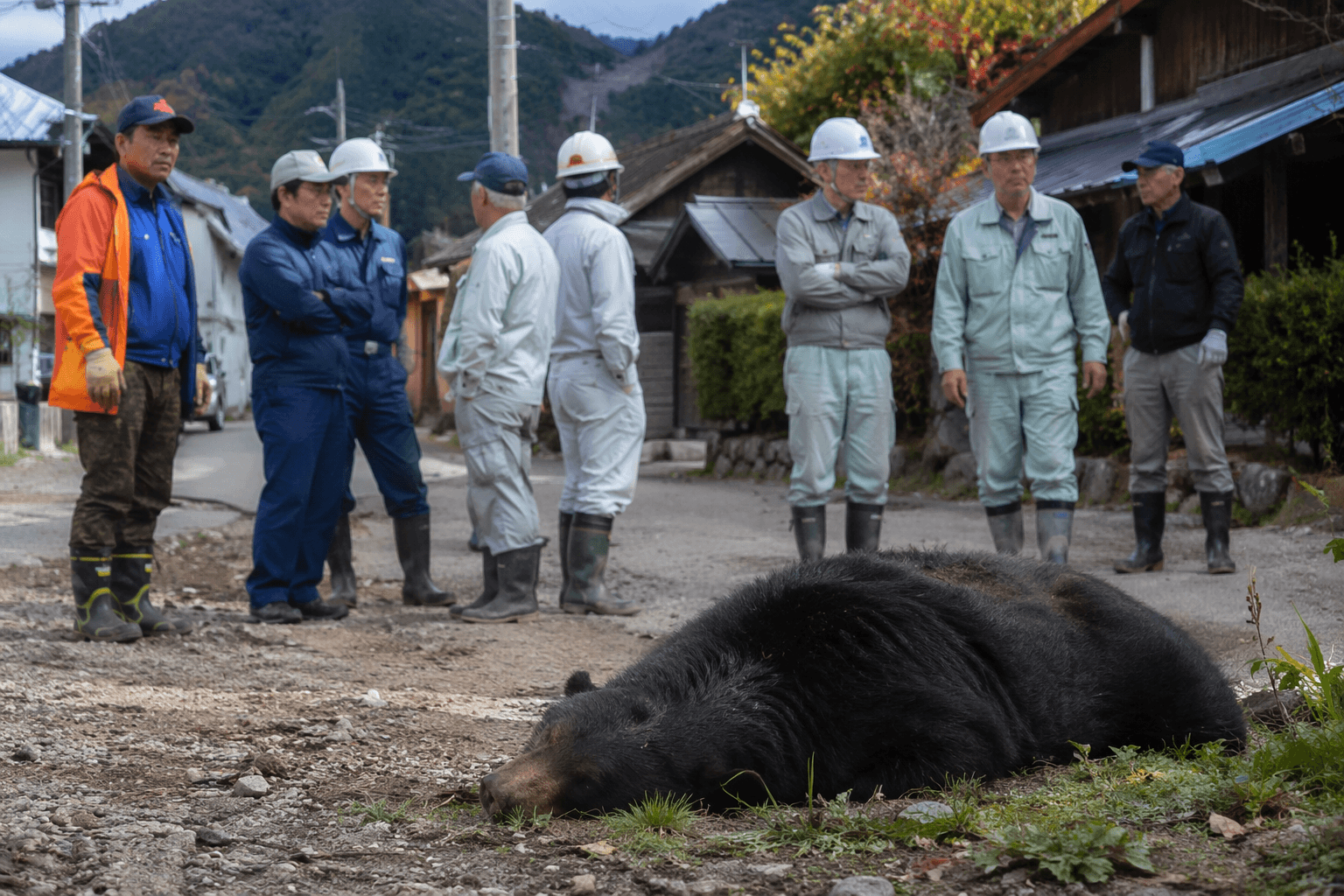
A man found dead on a mountain in Aomori prefecture on June 29 may have been attacked by a bear, as Japan’s latest fatal mauling added to a sharp rise in deaths across the country. A local official said bear bite marks were found on the body, while Aomori prefectural police continued investigating the cause of death.
The latest case came as fatal attacks have accelerated at a pace not seen in the government’s records. Five people have died in bear attacks since April 1, according to the Environment Ministry, and government data show fatal maulings in the last three months are up fivefold from the same period a year earlier. Publicly available ministry data dating back to the fiscal year ending March 2018 show this is the first year with more than two bear-related deaths in the April-to-June period.
The toll is already higher than in any recent year. Japan recorded a record 13 bear killings in 2025, and the country has now topped that pace early in 2026. Sightings also surged to 50,776 in fiscal 2025, more than double the 20,513 logged in fiscal 2024. Bear captures climbed to 14,720 in fiscal 2025, nearly three times the previous year’s figure, underscoring how aggressively authorities have been forced to respond.

Officials and researchers have pointed to several drivers behind the climb. Bears have been emerging hungry from hibernation, poor acorn crops have cut natural food supplies, and a growing bear population has increased the odds of encounters. Rural depopulation has also thinned the number of people living and hunting in bear country, leaving fewer eyes on the mountains and fields where animals and people now cross paths more often.
The pressure is forcing a policy shift. The Tokyo Metropolitan Government plans to lift its ban on hunting Asian black bears for the first time in about 20 years, a move aimed at allowing more direct population control. Japan’s government has also been developing a bear population-control roadmap and other countermeasures as attacks intensify, marking a broader turn away from a system built for lower bear numbers and fewer deadly encounters.
This article was produced by Prism’s automated news system from verified source data, official records, and press releases, then run through automated quality and moderation checks before publishing. The system is built and supervised by the people who set the standards it runs under. Read our full AI policy.
Did this article answer your question?