Japan Boosts Rapidus Funding to $16 Billion for 2nm Chip Push
Japan approved ¥631.5 billion in new subsidies for Rapidus, lifting total government support to ¥2.6 trillion as the chipmaker races to produce 2nm semiconductors by 2027.
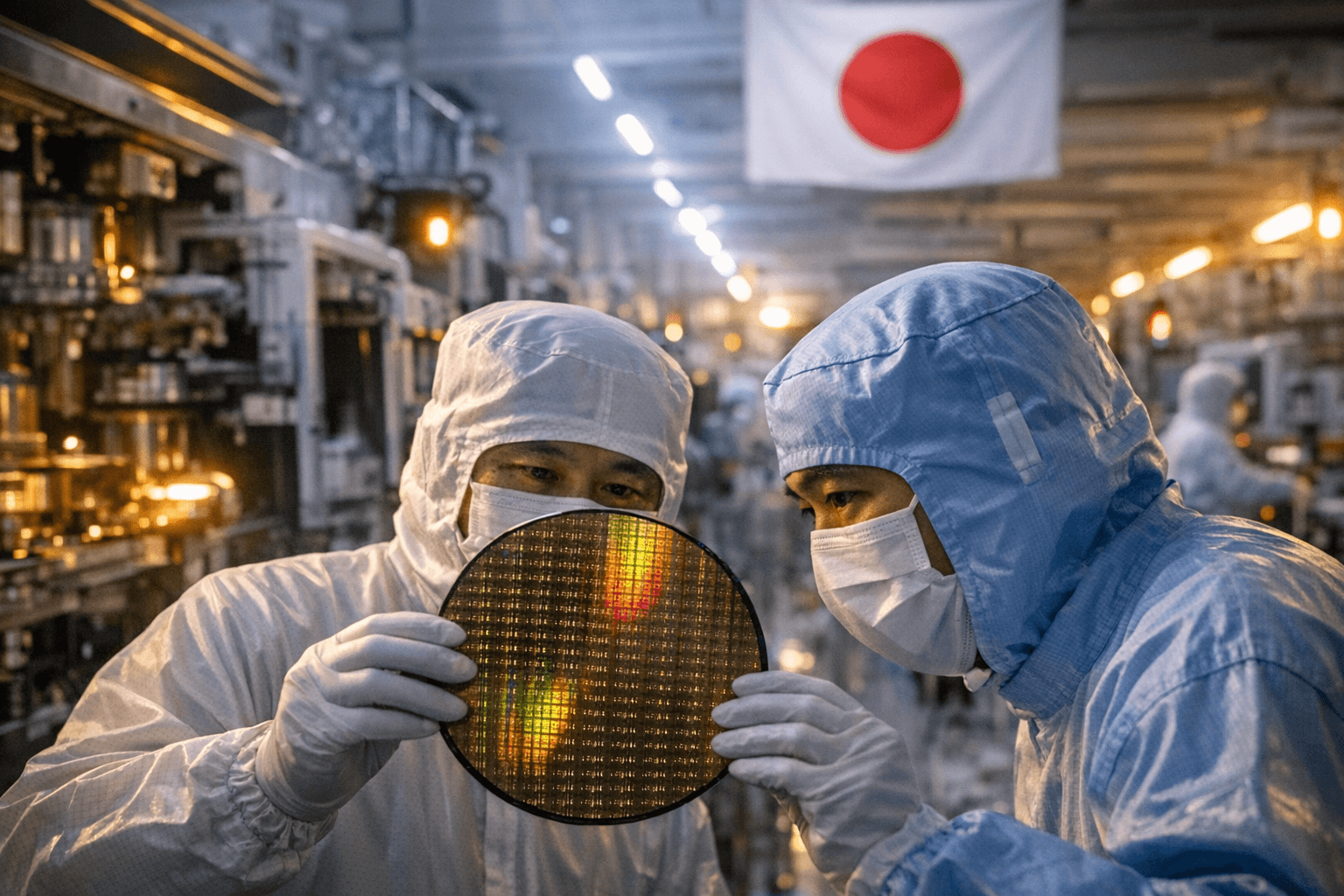
Japan's government approved ¥631.5 billion ($4 billion) in additional subsidies for Rapidus Corp., pushing total planned government injections to roughly ¥2.6 trillion ($16.3 billion) as the state-backed chipmaker accelerates its bid to manufacture 2-nanometer semiconductors domestically by 2027.
The Ministry of Economy, Trade and Industry announced the expanded capital plan after an external committee inspected Rapidus' foundry in Hokkaido and signed off on the company's technological progress. Industry Minister Ryosei Akazawa, speaking to reporters at a Rapidus event in Hokkaido, said Tokyo would push to help the startup secure customers and affirmed the 2027 production timeline, framing the commitment in terms of national strategic necessity: cutting Japan's dependence on Taiwan Semiconductor Manufacturing Co. and building domestic capacity in chips critical to artificial intelligence, robotics and quantum computing applications.
The government's injection functions as both a financial backstop and a signal to potential private investors and corporate customers, including Fujitsu, that Tokyo is prepared to absorb a significant share of the technological risk. Rapidus, founded in 2022 as a partly government-backed venture, is separately targeting roughly ¥3 trillion from private sources and is aiming for an initial public offering by fiscal 2031 if the program advances as planned.
The challenge ahead is formidable. TSMC began 2nm volume production earlier and remains the preferred supplier for major AI chip consumers including Nvidia, while Rapidus lacks the manufacturing scale and institutional depth TSMC has accumulated over decades. The company must also contend with rising energy and materials costs, broader geopolitical uncertainty and intensifying competition from rivals including Intel's Terafab and Elon Musk-linked chip ventures.
The timeline is aggressive by any industry measure, and observers note that performance and cost competitiveness relative to established foundries remain significant open questions. If Rapidus clears its technical milestones, however, it would add a meaningful new node to the global supply base for advanced logic chips at a moment when governments and corporations alike are actively seeking alternatives to a concentrated Taiwan-centered supply chain.
This article was produced by Prism’s automated news system from verified source data, official records, and press releases, then run through automated quality and moderation checks before publishing. The system is built and supervised by the people who set the standards it runs under. Read our full AI policy.
Did this article answer your question?