SpaceX Launches Cygnus XL Cargo Ship With 11,000 Pounds of ISS Supplies
A Falcon 9 rocket carried 11,000 pounds of ISS supplies Saturday, including a quantum science module that could advance dark matter research and next-gen computing.
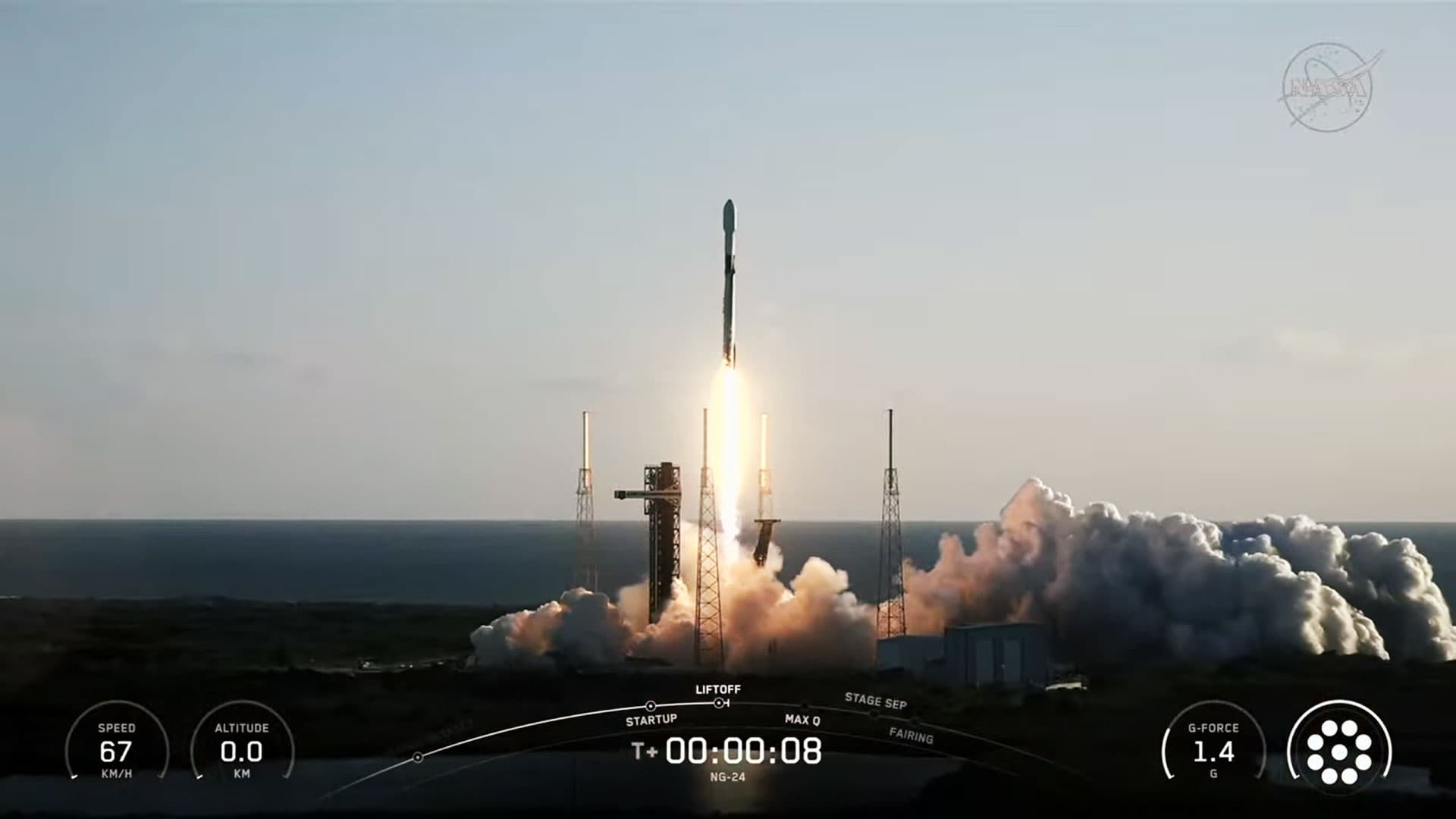
A SpaceX Falcon 9 rocket lifted off from Space Launch Complex 40 at Cape Canaveral Space Force Station at 7:41 a.m. ET Saturday, carrying Northrop Grumman's Cygnus XL cargo spacecraft toward the International Space Station on a mission that blends routine logistics with some of the more ambitious science experiments the station has hosted in recent years.
The flight, designated NG-24 under NASA's Commercial Resupply Services contract, delivered roughly 11,000 pounds of supplies, equipment and scientific payloads. The Cygnus XL spacecraft has been named the S.S. Steven R. Nagel, honoring the late NASA astronaut.
Arrival is set for Monday. NASA's coverage of the rendezvous begins at 12 p.m. ET on April 13, with capture by the station's Canadarm2, operated by crew members aboard, planned for 12:50 p.m. ET. Once secured, ground and mission teams will install the vehicle to the Unity module's Earth-facing port to begin offloading cargo.
Among the mission's most consequential payloads is a quantum science module intended to push forward research that could improve computing technology and support efforts to detect dark matter. Hardware designed to produce larger quantities of therapeutic stem cells for blood-disease and cancer research is also aboard, alongside model organisms for gut microbiome studies and a receiver to sharpen space-weather modeling, which directly affects the reliability of GPS and radar infrastructure.
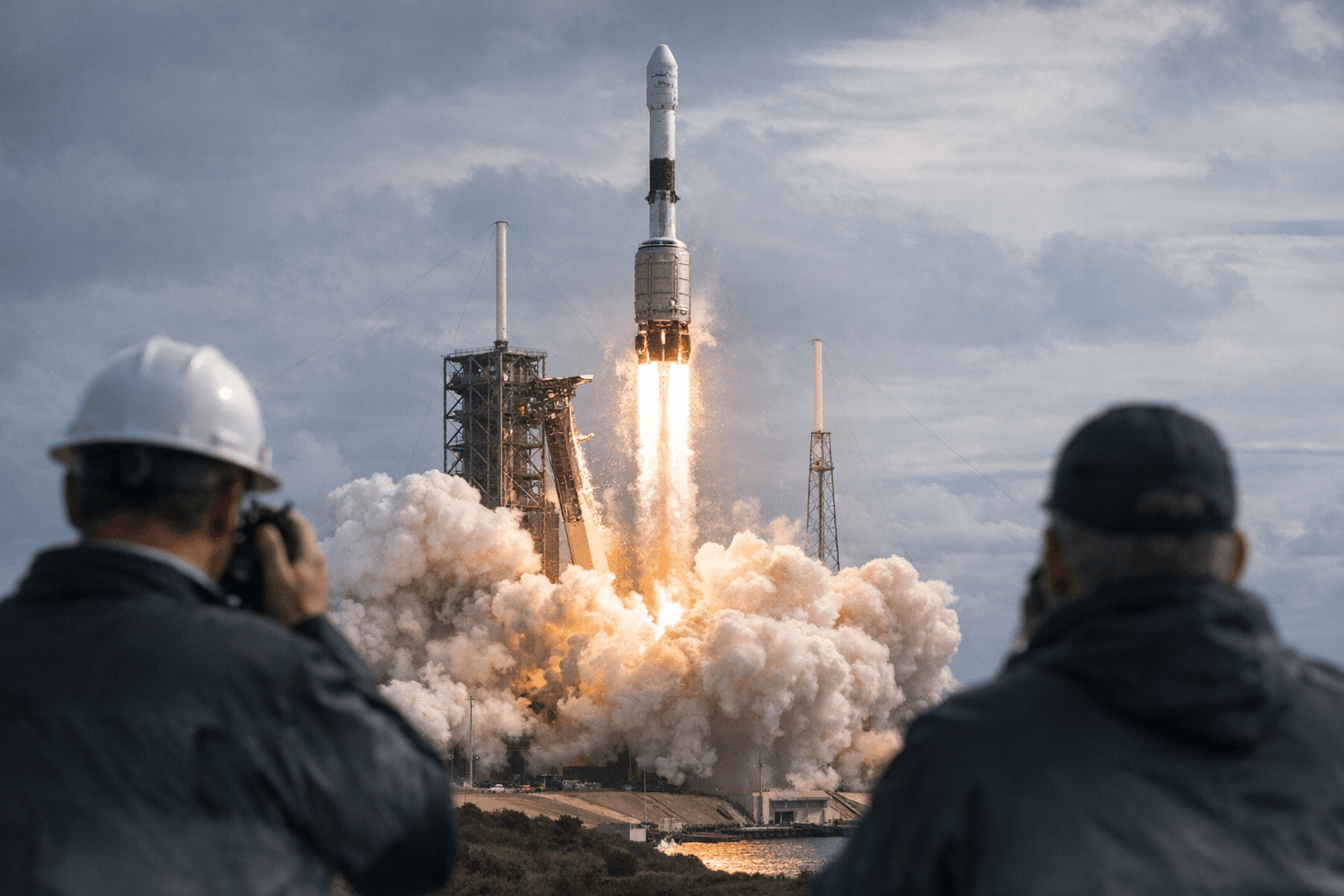
The NG-24 mission is integrated into Expedition 74/75 research operations. Unlike Dragon capsules, which return cargo to Earth, Cygnus vehicles are designed for a different end: the S.S. Steven R. Nagel is scheduled to remain attached to the station through October before departing with station trash for a destructive re-entry.
The flight also marks another example of cross-industry coordination that now underpins ISS logistics, with a Northrop Grumman spacecraft riding atop a SpaceX rocket under a NASA contract. As the station moves deeper into its operational twilight ahead of its planned deorbit, missions like NG-24 continue to extract scientific value from a microgravity environment that terrestrial labs simply cannot replicate.
This article was produced by Prism’s automated news system from verified source data, official records, and press releases, then run through automated quality and moderation checks before publishing. The system is built and supervised by the people who set the standards it runs under. Read our full AI policy.
Did this article answer your question?