Japan deepens US and G7 ties as China tensions rise
Tokyo is finding it harder to reach Beijing, while Sanae Takaichi is broadening ties with the G7 and India over critical minerals and defense.
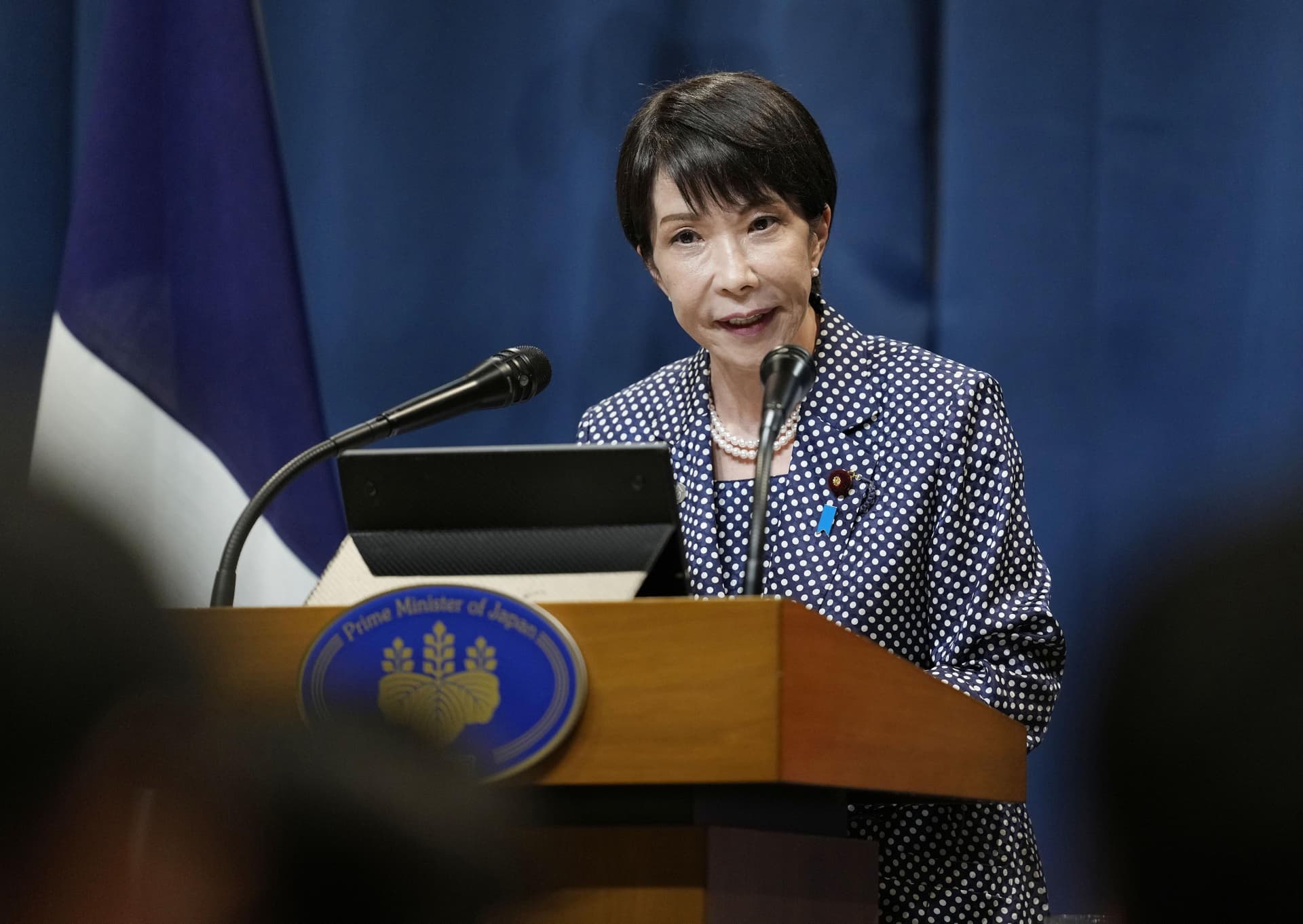
Japan’s push to deepen ties with the United States and other like-minded partners is sharpening as contact with China grows harder to arrange and a long-planned summit on the sidelines of the Asia-Pacific Economic Cooperation meeting in November looks increasingly uncertain. Tokyo still says it wants dialogue with Beijing, but Japanese officials now say even working-level contact has become difficult.
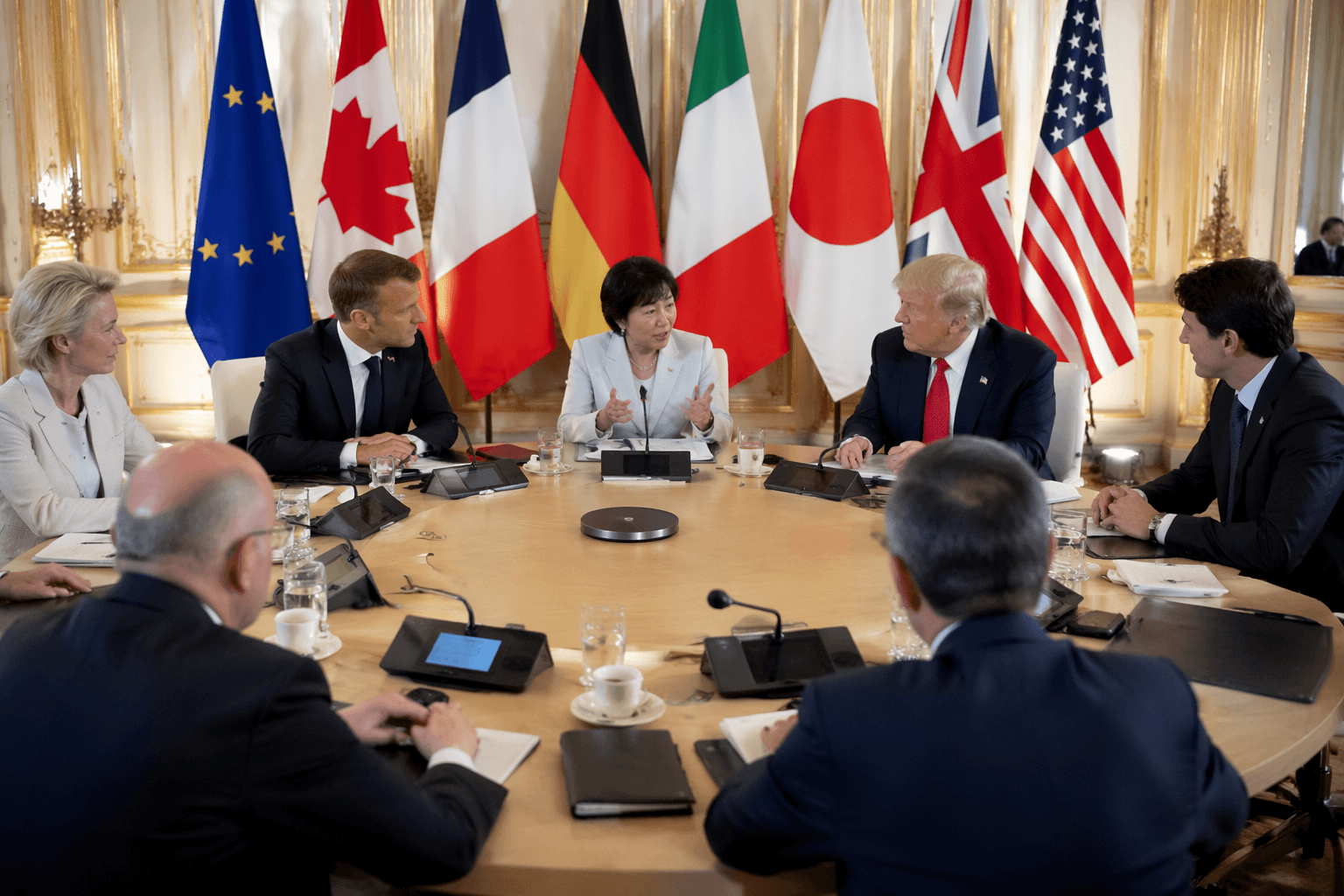
That strain is driving a more deliberate coalition strategy. At the Group of Seven summit in June, Sanae Takaichi proposed a joint stockpile network for critical minerals after China’s export restrictions rattled Japanese officials. The foreign ministry said G7 leaders discussed critical minerals and supply-chain resilience, and the group’s action plan framed the issue around building standards-based markets and reducing vulnerabilities. The summit’s outcome document later turned Takaichi’s idea into a “Joint Stockpiling Cooperation Initiative” for critical minerals.
Takaichi then carried that alignment to New Delhi. She visited India from July 1 to 3 for the 16th Japan-India Annual Summit, where Japan and India agreed to cooperate on artificial intelligence, metals, energy and defense and to prepare a joint roadmap for economic security. The visit reinforced Japan’s effort to widen its network beyond bilateral diplomacy with China and build practical economic-security ties with partners that share concerns about supply chains and coercive trade tools.
Those concerns are not abstract in Tokyo. Japan’s government approved a major relaxation of defense-export rules in April, opening the way for exports of warships, missiles and other weapons, a move that has intensified domestic debate. The foreign ministry has also said Beijing’s accusations of Japanese new militarism are aimed at shaping public opinion and widening political division inside Japan, especially over defense equipment exports.
The maritime front remains active as well. On June 29, Japan’s chief cabinet secretary said China Coast Guard vessels had intermittently navigated within Japan’s exclusive economic zone south of Yonaguni Island and had made unilateral claims over those waters. Japan said it had repeatedly protested through diplomatic channels, while the foreign ministry continues to track East China Sea and Senkaku-related incidents as part of a broader pattern.
Pressure from Beijing has also extended into trade and research. On June 29, China blacklisted four Japanese government defense research institutes and tightened export restrictions on dozens of other Japanese entities. Japanese officials see the move through the lens of critical-mineral dependence, especially with reports that China holds about 70% of the global market share. That vulnerability has made Japan’s turn toward the G7, India, Australia and other partners less symbolic than strategic.
This article was produced by Prism’s automated news system from verified source data, official records, and press releases, then run through automated quality and moderation checks before publishing. The system is built and supervised by the people who set the standards it runs under. Read our full AI policy.
Did this article answer your question?