Japan restaurants face labor squeeze after foreign worker admissions halt
Foreign-worker admissions for Japan’s restaurant sector have been frozen at the cap, forcing an Osaka chain to abandon plans to hire 20 to 30 more staff and rethink service capacity.
Japan’s restaurant sector has been caught in a labor squeeze after the government halted new admissions of foreign nationals under the Type 1 Specified Skilled Worker status for food service, forcing operators to rethink hiring, expansion and day-to-day service levels. In Osaka, one restaurant chain said the change hit recruitment plans directly, after it had counted on foreign staff to fill chronic gaps in kitchens and dining rooms.
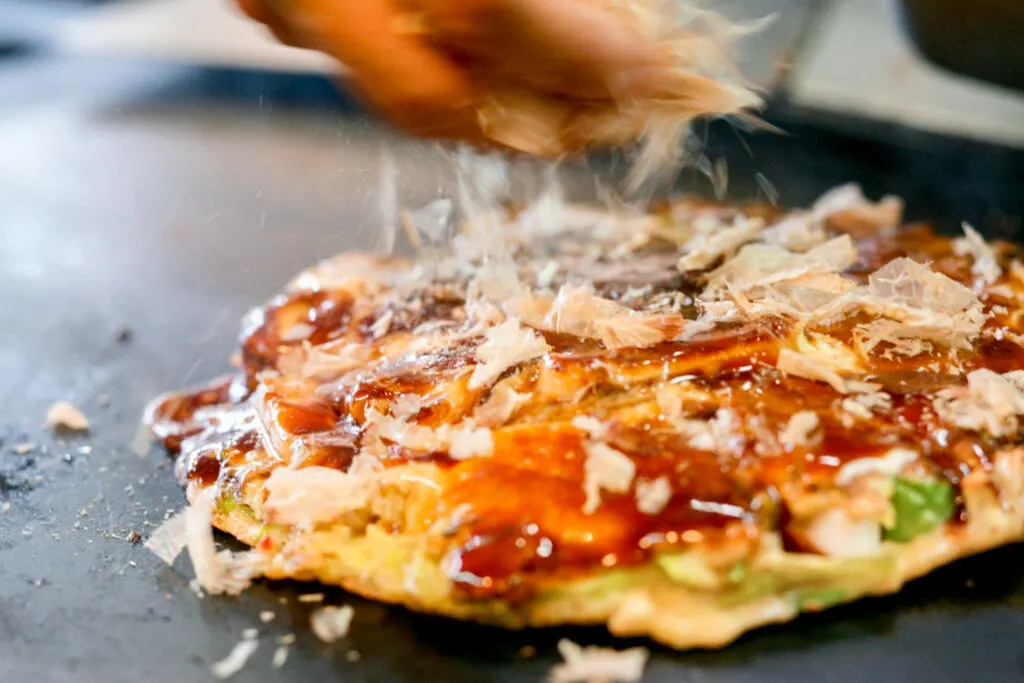
The policy has immediate consequences for restaurants that built staffing models around overseas workers. One Osaka okonomiyaki restaurant employs about 70 foreign nationals under the same visa category, or roughly 30% of its workforce, and had planned to add 20 to 30 more such workers next year before the suspension took effect. Kanji Nakai, the company president, said the move left the business with no choice but to revise its recruitment strategy.
The worker at the center of that Osaka case is a Vietnamese server who came to Japan last year after obtaining the status, a reminder of how deeply food-service employers have come to depend on foreign labor to keep operating. Japan’s Ministry of Agriculture, Forestry and Fisheries said on March 27 that food-service intake under Type 1 would be suspended because the category was expected to pass its 50,000-worker cap around May 2026. Applications received on or after April 13 were not to be approved, while some filings submitted earlier would still be reviewed.
The ministry said in-country status-change applications would be prioritized, and some applicants could be moved into a transitional status rather than Type 1. That means the cutoff is working less like a clean stop than an administrative backlog, with employers and workers waiting on decisions while the quota period runs from April 2024 through March 2029.
The freeze lands at a sensitive point for a sector that had been among the earliest and fastest users of the foreign-worker program, which was launched in 2019 and covers 19 fields. Business and Human Rights Centre Japan said the food-service workforce had reached about 46,000 by February 2026, close to the 50,000 ceiling. The broader government framework still expanded in January 2026, when Japan approved up to 805,700 Specified Skilled Worker positions across 19 sectors through March 2029.
That contrast captures the policy contradiction now facing Tokyo: Japan is widening the overall foreign-worker system while clamping down on a sector where labor shortages are still acute. For restaurants, the effect is practical and immediate, with fewer hires, tighter staffing, slower expansion and the risk of thinner service in businesses that have long relied on foreign workers to keep tables turning.
This article was produced by Prism’s automated news system from verified source data, official records, and press releases, then run through automated quality and moderation checks before publishing. The system is built and supervised by the people who set the standards it runs under. Read our full AI policy.
Did this article answer your question?