Japan deploys 1,500 firefighters as wildfire threat grips Otsuchi
A fifth day of fire forced 1,500 responders into Otsuchi as flames spread across 1,373 hectares and reopened wounds from the 2011 tsunami.
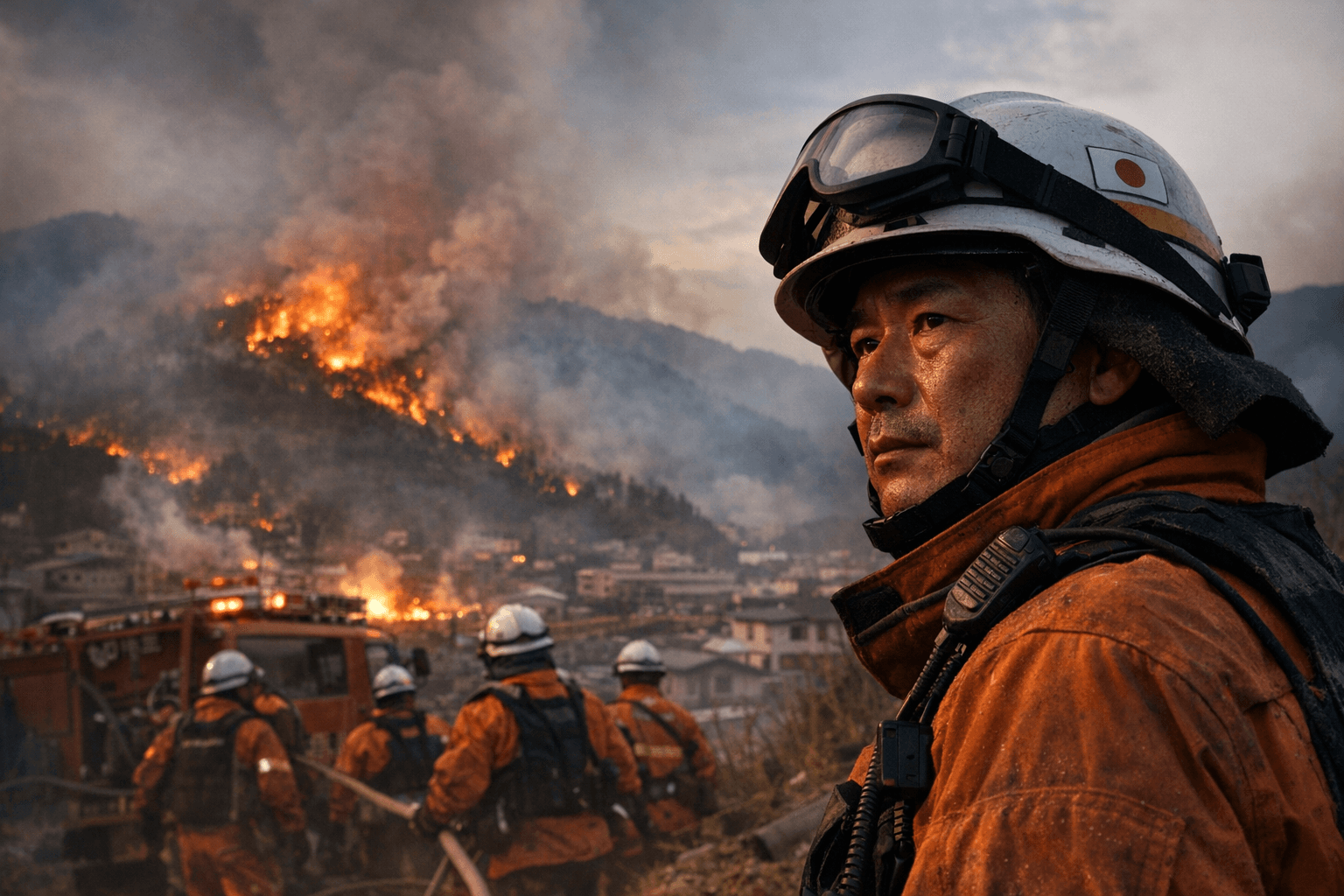
Japan sent 1,400 firefighters and 100 Self-Defense Force personnel into the hills above Otsuchi on Sunday as a fifth straight day of wildfire threatened a town better known for surviving earthquakes and tsunamis than fast-moving forest fires.
By early Sunday, the burned area had reached 1,373 hectares, or 3,393 acres, up 7% from the day before. Evacuation orders covered 1,541 households, or 3,233 residents, roughly a third of Otsuchi’s population, while six evacuation centers had already taken in 321 people from 133 households as of 7 a.m. Saturday.
The emergency carried a heavy historical charge in a coastal community still marked by the March 11, 2011 tsunami. Otsuchi says that disaster submerged 52% of its residential area, killed 1,284 people and cut the town’s population by nearly 10%. This time, the danger came not from the sea but from steep, dry mountain terrain that was hard to reach and quick to burn.
Otsuchi Mayor Kozo Hirano said dry weather and winds were helping the flames spread, while the Self-Defense Forces were fighting from the sky with helicopters. The only casualty reported so far was a minor injury at an evacuation center, but the fire continued to expand as officials waited for relief that was not expected until at least Tuesday, when forecasters said only a brief shower might arrive.
The fire broke out on Wednesday, April 22, and at least eight buildings had been destroyed by Thursday, April 24. Changing wind directions helped push the blaze across the slopes, adding to the pressure on crews trying to hold the line around the Kirikiri district and other exposed parts of town. Japan’s Fire and Disaster Management Agency said the situation remained serious, even as responders pressed ahead with aerial drops and ground containment.
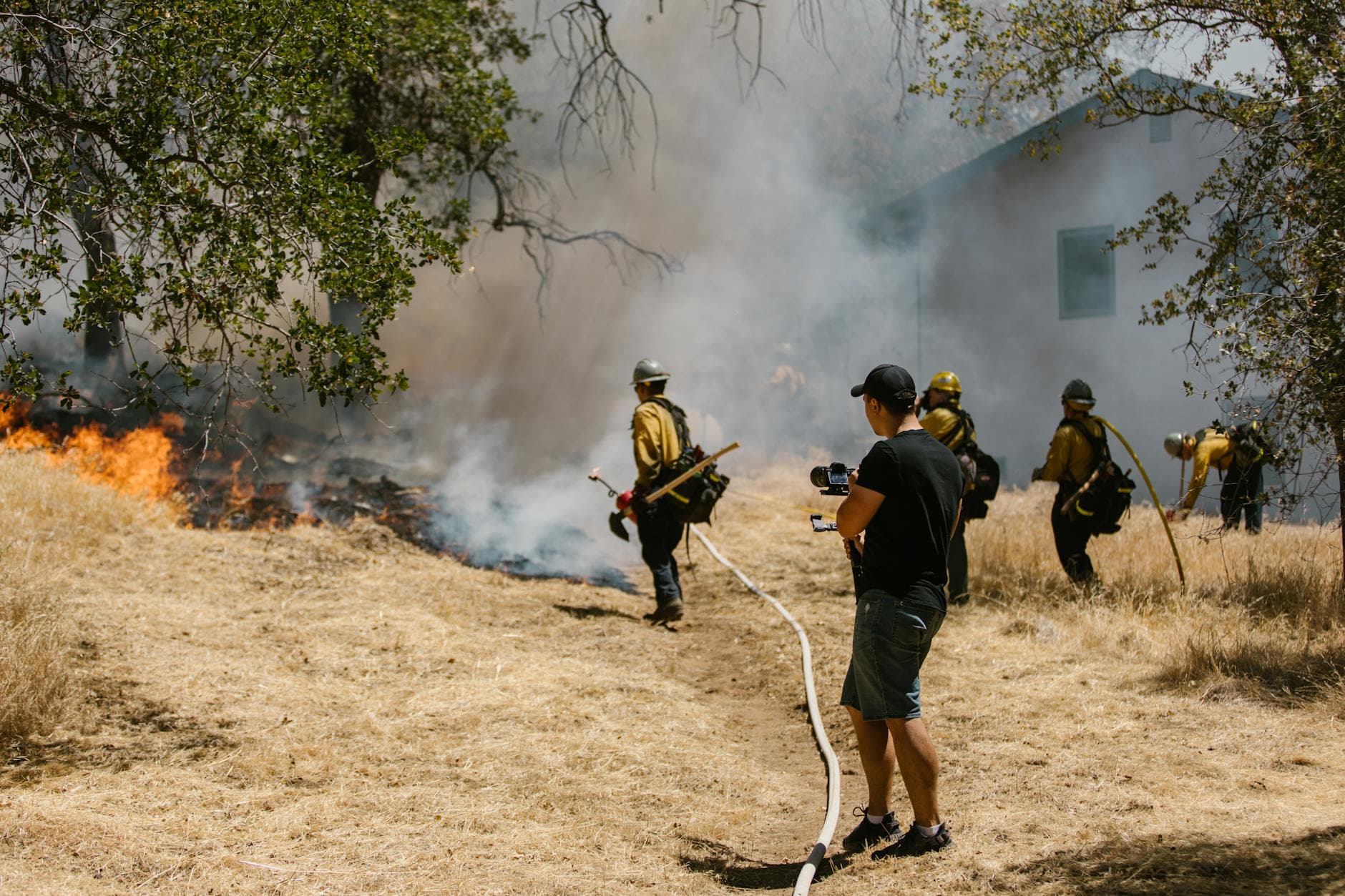
The scale of the deployment underscored how wildfire is becoming a more urgent test of national preparedness in a country usually associated abroad with earthquakes and typhoons. Iwate prefectural authorities set up a disaster response headquarters on April 23, and all elementary, junior high and high schools in Otsuchi were closed. By burned area, the blaze had already become Japan’s third-largest wildfire event on record.
For residents watching the helicopters over the Pacific Coast town, the threat was not only immediate loss but also the possibility that fire could erase what past disasters left standing. Yoshinori Komatsu, 74, captured that fear in a single line: “With a tsunami, you might have something left after the destruction.”
This article was produced by Prism’s automated news system from verified source data, official records, and press releases, then run through automated quality and moderation checks before publishing. The system is built and supervised by the people who set the standards it runs under. Read our full AI policy.
Did this article answer your question?


