Japan Downgrades China's Status in Annual Diplomatic Bluebook, Signaling Cooler Ties
Japan stripped "most important" from its official description of China in the 2026 Diplomatic Bluebook, citing radar lock-ons, rare earth export controls, and a year of Chinese coercion.
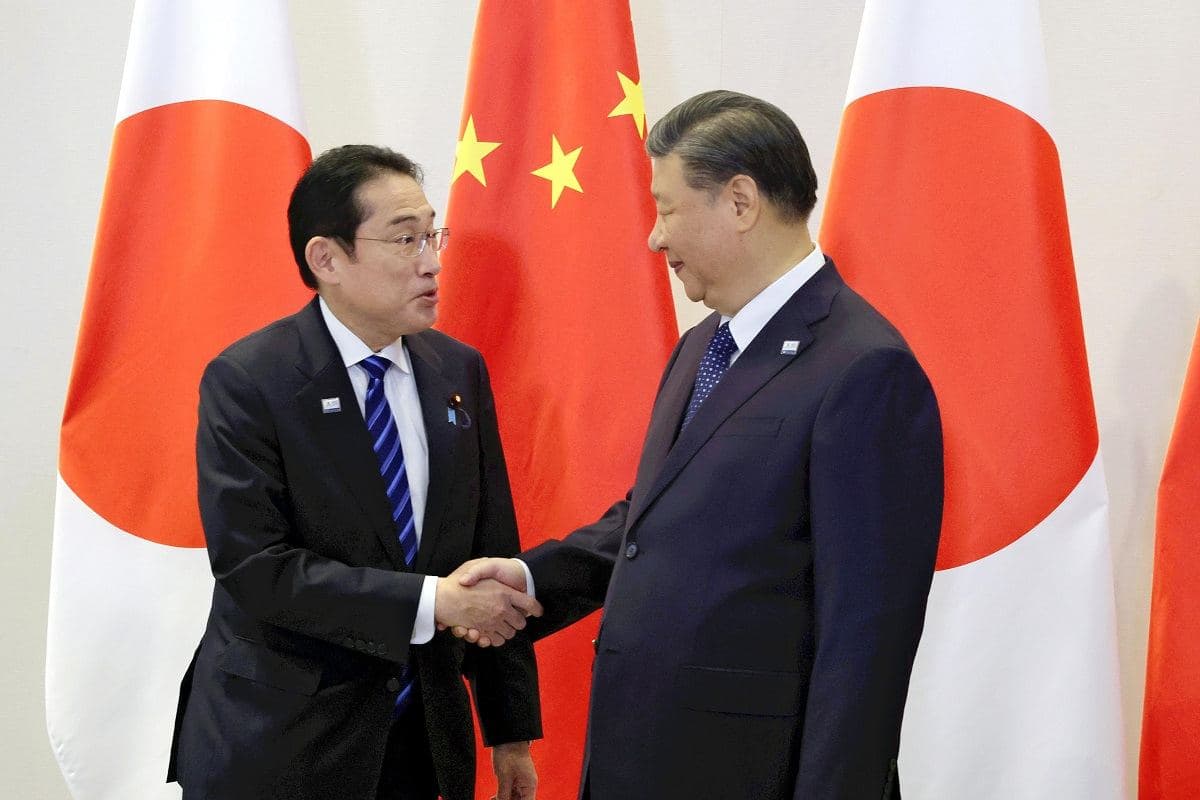
Japan's draft 2026 Diplomatic Bluebook stripped the phrase "one of its most important" from its characterization of China, replacing it with the cooler designation "an important neighbor" — a single word change that encodes a year of deteriorating ties, military confrontations, and economic retaliation between Tokyo and Beijing.
The 2026 Diplomatic Bluebook, which Prime Minister Sanae Takaichi's government is expected to approve next month, will instead describe China as an important neighbour while maintaining that the relationship remains "strategic" and "mutually beneficial." The draft was reviewed by Reuters and reported domestically by Kyodo News and the Mainichi Shimbun.
In last year's Bluebook, ties with China were characterized as "one of Japan's most important bilateral relations." The removal of that elevated status is more than semantic: Japan's annual Diplomatic Bluebook is the government's principal public statement of foreign policy priorities, and changes to its language are closely read by diplomatic communities across Asia.
The draft document does not shy away from naming what drove the shift. It cites a series of confrontations with Beijing over the past year, including export controls on rare earths, radar lock-ons targeting Japanese military aircraft, and increased pressure around Taiwan. Among the specific incidents detailed in reporting on the Bluebook was a Chinese aircraft carrier-based fighter jet directing its radar at a Japan Self-Defense Forces jet. Beijing also reimposed restrictions on Japanese seafood, discouraged tourism to Japan, and enacted export controls on rare earths and critical minerals.
The shift in tone underscores a deterioration in ties that has become entrenched since November, when Takaichi angered Beijing by saying that Japan could deploy its military if a Chinese move against neighbouring Taiwan also threatened its territory. The Bluebook, according to reports citing the Kyodo and Mainichi coverage, states that "China has intensified its unilateral criticism and coercive measures against Japan" in the wake of those remarks. China's foreign ministry responded Tuesday, saying comments by Takaichi had sparked anger in China and breached a "red line."
Takaichi did not confine her warnings about Beijing to the Taiwan question. In a speech to parliament last month, she warned of Chinese "coercion" and mounting economic and security threats posed by Beijing and its regional partners Russia and North Korea.
The Bluebook revision arrived in the same week that Tokyo and Washington formalized a coordinated response to China's grip on critical minerals. On March 19, the U.S. and Japan released a joint action plan for developing alternatives to China for critical minerals and rare earths supply chains during Prime Minister Takaichi's visit to the White House, with both countries aiming to deliver "concrete, near-term results towards securing mutual supply chain resilience." The two nations reached a Critical Minerals Action Plan to increase the production and diversity of critical minerals, developing a plurilateral trade initiative supported by price floors or other measures.
The downgrading of language is symbolically significant: diplomatic wording in official documents often signals underlying policy direction, and this adjustment indicates that Japan no longer views its relationship with China through a primarily cooperative lens. The Bluebook is expected to receive cabinet approval in April. Until then, Beijing's formal reaction to the changed wording, beyond the foreign ministry's Tuesday remarks, remains to be seen.
This article was produced by Prism’s automated news system from verified source data, official records, and press releases, then run through automated quality and moderation checks before publishing. The system is built and supervised by the people who set the standards it runs under. Read our full AI policy.
Did this article answer your question?


