Japan ends postwar ban on lethal weapons exports, expands arms sales
Japan tore up a decades-old arms-export limit, opening sales of lethal weapons and signaling a sharper role in U.S.-led deterrence across Asia.
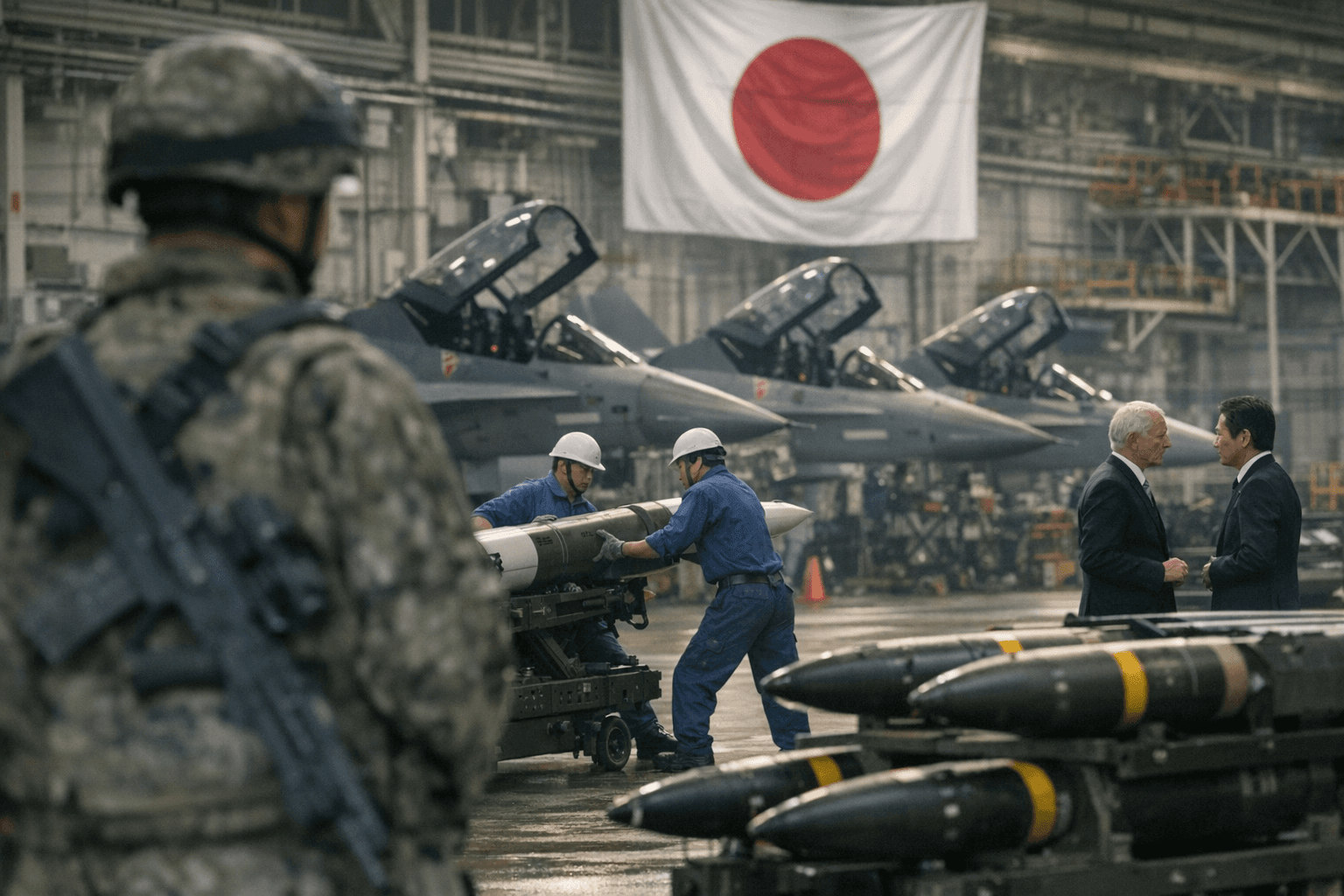
Japan’s Cabinet approved a revision on Tuesday that effectively ended the long-running ban on exporting lethal weapons, a move that rewrites one of the core restraints of the country’s postwar security order. The change opens the door to sales of warships, missiles, destroyers, submarines, fighter jets and combat drones, replacing the old “five category” rule that had confined exports to rescue, transport, warning, surveillance and minesweeping equipment.
The new rules still preserve a gatekeeping system. Every sale will remain subject to National Security Council review and post-export monitoring, and Japan will generally bar exports to countries at war, although the government has left room for special-circumstances exceptions. For now, the policy is limited to 17 countries that have defense equipment and technology transfer agreements with Tokyo, including the Philippines and Indonesia.
The shift marks a major break from the pacifist export restrictions that followed World War II, but it also reflects a decade of steady loosening. Japan began exporting some non-lethal military supplies in 2014. In December 2023, Tokyo approved changes allowing certain licensed lethal weapons and components to be shipped back to the original licensors, including the United States. Tuesday’s decision goes further, making Japan a more direct participant in the global arms market and giving its defense industry a wider base to sustain production during contingencies.
The strategic implications reach well beyond Tokyo. Reuters said the move was driven in part by rising regional tensions over China and North Korea, along with the strain on U.S. weapons production caused by the wars in Ukraine and the Middle East. Allies in Europe and Asia have been searching for additional suppliers as Washington’s security commitments look less certain under President Donald Trump, and Japan’s broader opening gives those governments another option at a time of rising military demand.
China quickly pushed back. Chinese foreign ministry spokesperson Guo Jiakun said Beijing was deeply concerned and would resist what it called reckless actions toward a new form of militarism. Japan’s partners took a different view. U.S. Ambassador to Japan George Glass called it a “historic step” that would help enhance defense capabilities between the allies. Australia, the Philippines and several countries in Southeast Asia and Europe have already emerged as interested markets, and Japan’s recent $7.15 billion warship deal with Australia has underscored how quickly Tokyo’s role is changing.
This article was produced by Prism’s automated news system from verified source data, official records, and press releases, then run through automated quality and moderation checks before publishing. The system is built and supervised by the people who set the standards it runs under. Read our full AI policy.
Did this article answer your question?