Japan firms to invest billions in UK infrastructure and offshore wind
Japanese capital is set to back more than £18 billion in UK projects, with 5.9GW of floating offshore wind and a five-year pipeline at the center.
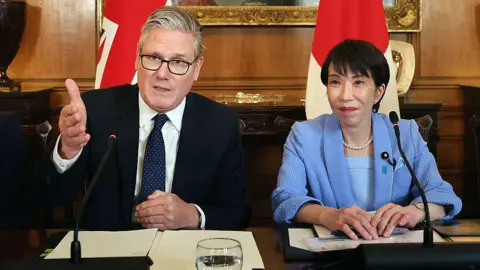
Japanese firms lined up billions of pounds for British infrastructure and offshore wind as Keir Starmer hosted Sanae Takaichi at 10 Downing Street on Sunday, in a pitch aimed at proving the UK can still pull in long-term capital after Brexit. Downing Street said the package would create tens of thousands of new jobs and generate more than £18 billion in economic gains, but the real test is whether those jobs are anchored in new projects, not repackaged announcements.
The government said the deal unlocked more than £9 billion in inward investment for infrastructure and financial services, alongside up to £9 billion for offshore wind. A five-year Japanese investment pipeline worth more than £9 billion is also expected to support new towns, high-quality office space and innovation hubs, giving the package a broader industrial footprint than a single energy deal.
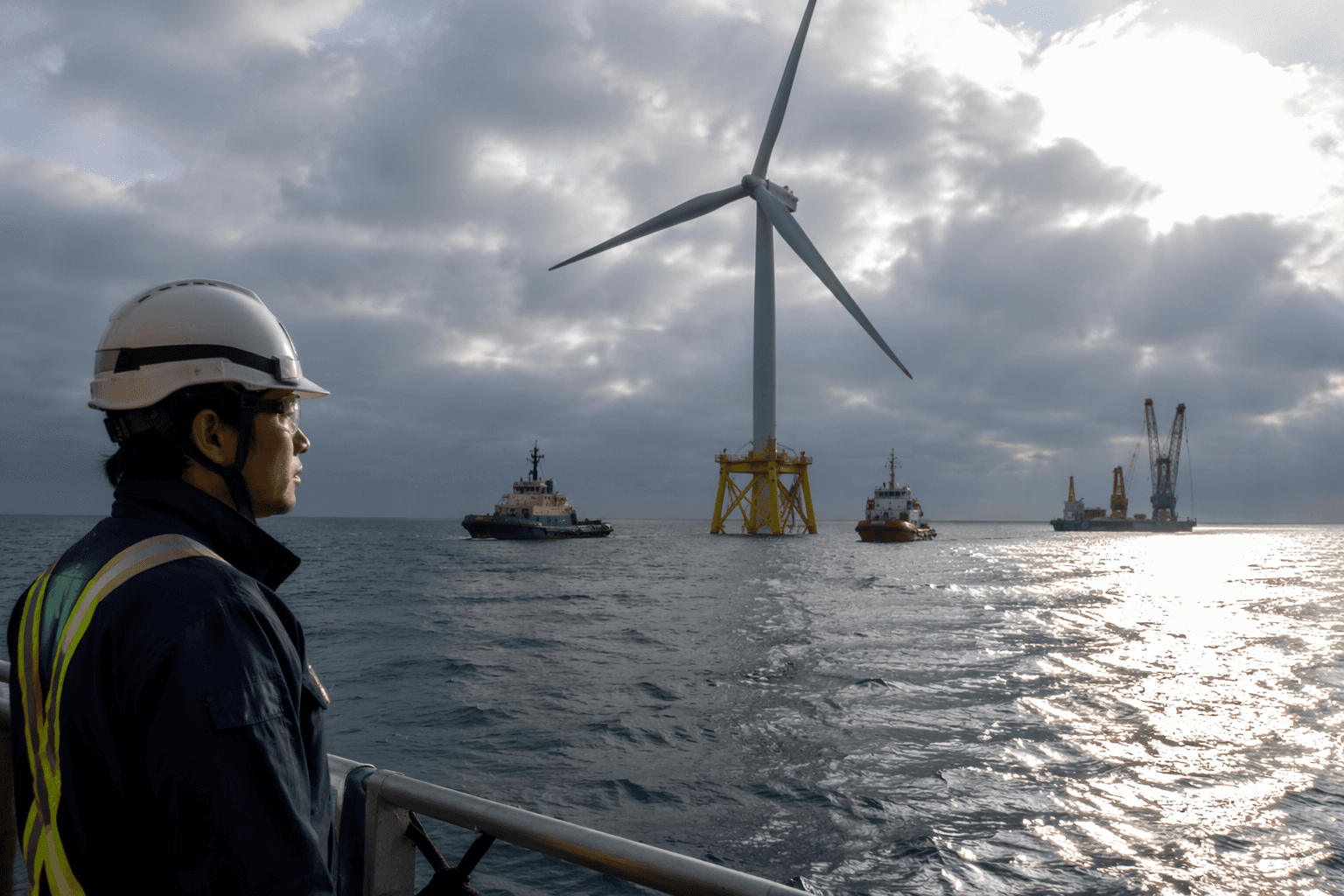
Most of the immediate weight sits in offshore wind. The planned Offshore Wind Compact with Great British Energy is designed to unlock up to £9 billion of Japanese investment into 5.9GW of floating offshore wind projects in the UK, including Ossian and Green Volt off Scotland’s east coast and Erebus in the Celtic Sea. The package builds on a UK-Japan offshore wind memorandum of co-operation that came into operation on March 7, 2025, and on Britain’s wider target to deploy up to 50GW of offshore wind by 2030, including up to 5GW of floating capacity. The offshore wind plan has also been described as enough to power 8 million homes.
The visit also widened the relationship beyond energy. British and Japanese business leaders joined a roundtable, and more than 10 commercial and government agreements were expected to be signed, touching AI, semiconductors and quantum computing. The wider package includes a Frontier Tech Partnership, renewed cooperation involving Rolls-Royce and the Japan Atomic Energy Agency, and a production agreement linking the British Semiconductor Centre to Rapidus, Japan’s newly founded chipmaker. Both governments also reaffirmed support for the Global Combat Air Programme, the trilateral fighter jet project launched in 2022 for service by 2035. With bilateral trade already worth around £140 billion, the agreement was cast as a step change in a relationship that now has to prove it can deliver assets, not just headlines.
This article was produced by Prism’s automated news system from verified source data, official records, and press releases, then run through automated quality and moderation checks before publishing. The system is built and supervised by the people who set the standards it runs under. Read our full AI policy.
Did this article answer your question?

