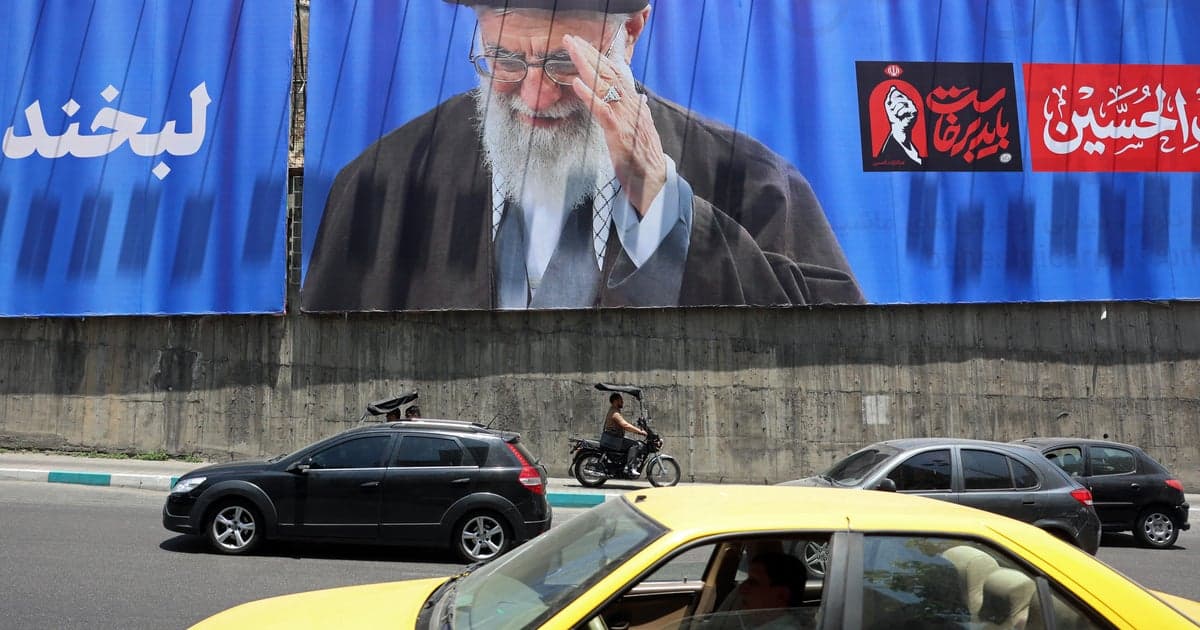
Japan loosens arms export rules, sparking backlash over pacifism
Young protesters are flooding Tokyo’s streets as Japan loosens arms export rules, widening a fight over Article 9 and the country’s postwar identity.
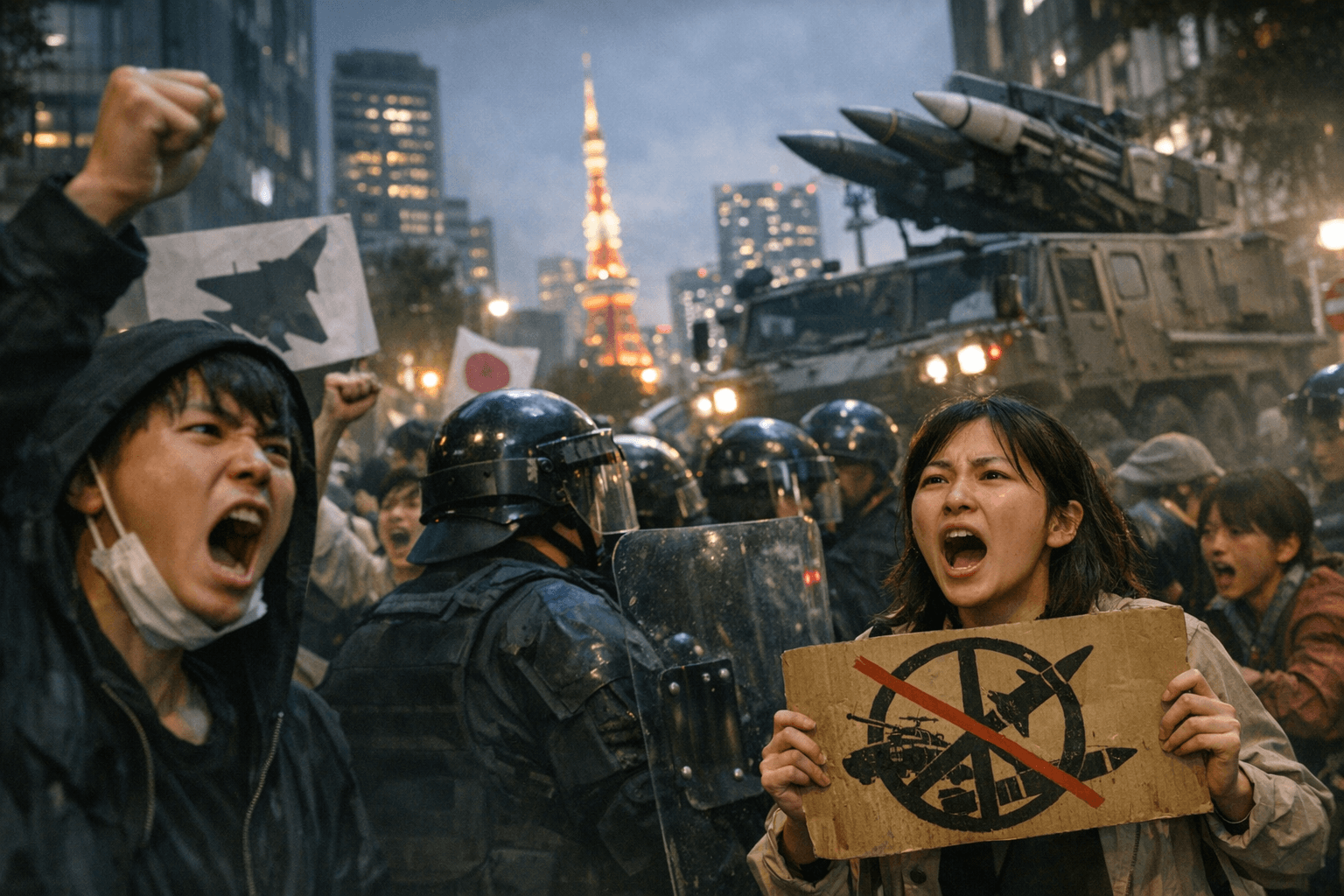
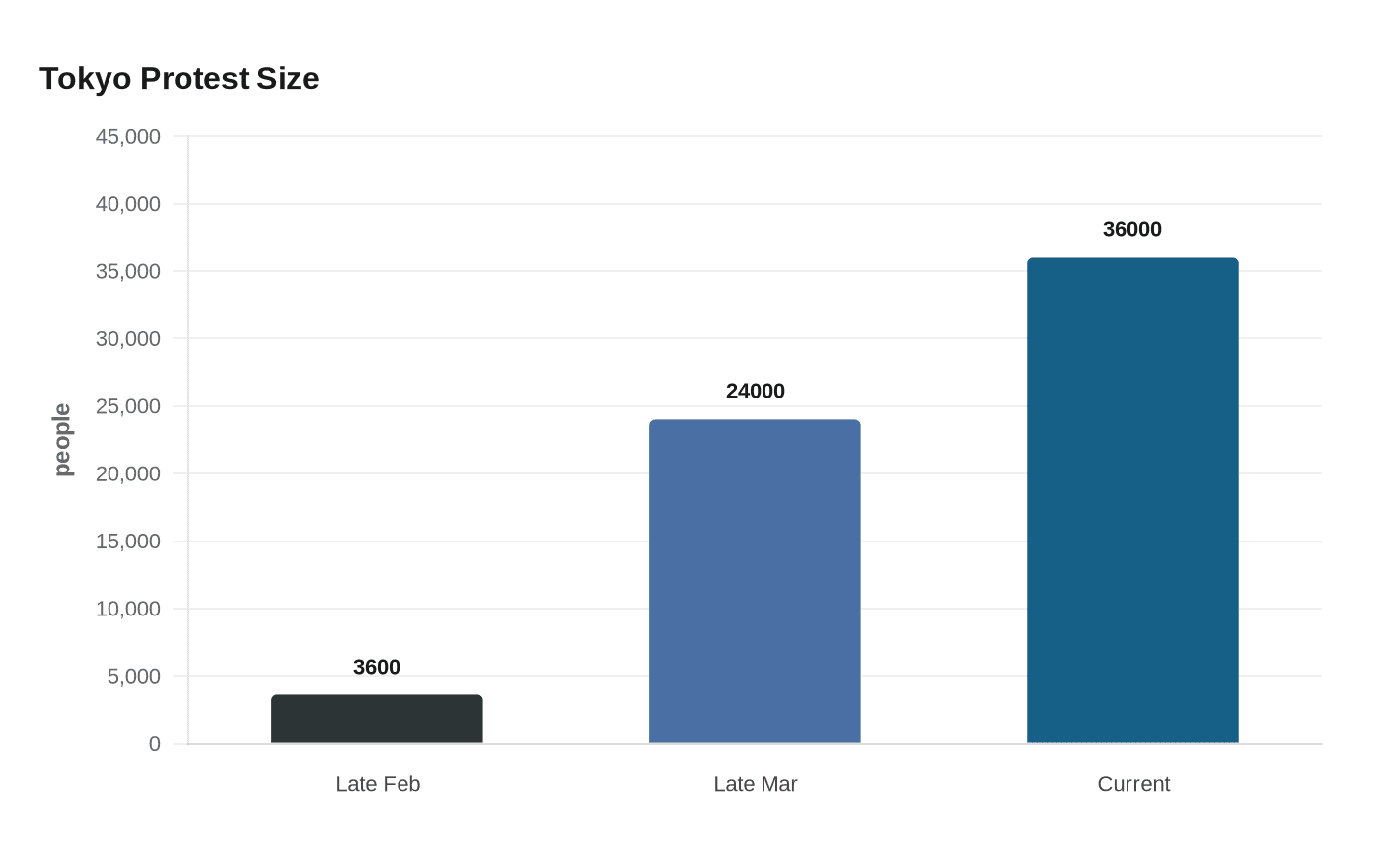
Japan’s security reset is colliding with a new wave of street resistance in Tokyo, where tens of thousands have rallied to defend the constitution’s pacifist core. Demonstrators gathered near the National Diet in numbers that reached an estimated 36,000, after earlier anti-revision rallies drew about 3,600 people in late February and 24,000 in late March. The protests have turned Article 9, Japan’s famous “no war” clause, into a generational test of whether the country will keep the postwar restraints that have defined its politics since defeat in World War II.
That constitution was promulgated in 1946 and took effect in 1947, under the Allied occupation, and it has never been amended. Any change must clear a two-thirds vote in both houses of the Diet and then win a majority in a national referendum, a high bar that has helped preserve the postwar settlement even as Japan built the Self-Defense Forces. For younger activists, that settlement is under direct pressure. Some argue Article 9 keeps Japan out of U.S. wars, while critics of revision see a deeper break with a peace order that has anchored Japanese politics for nearly eight decades.
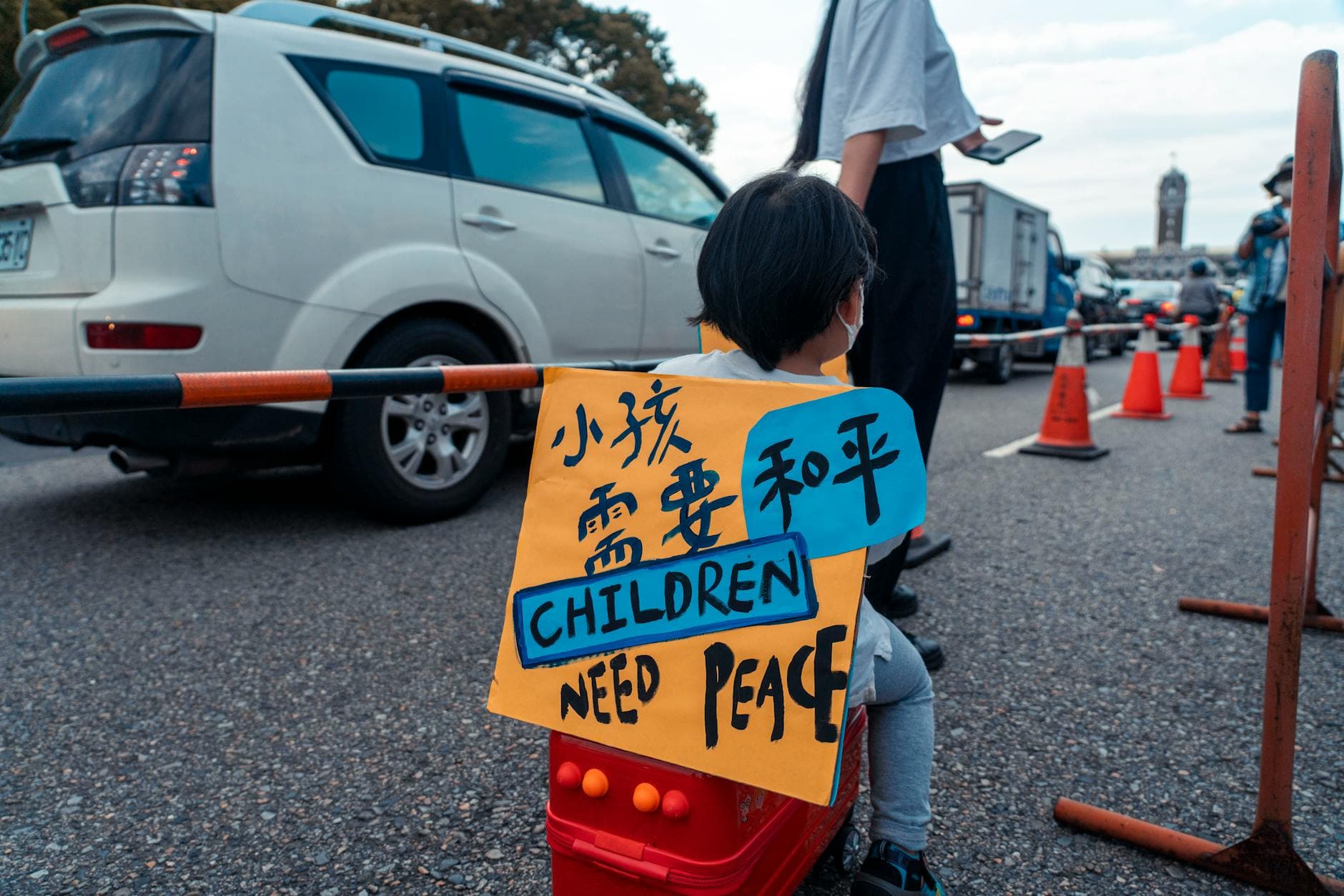
The fight is sharpening as Tokyo loosens its arms-export regime. Japan replaced its older restrictions with the Three Principles on Transfer of Defense Equipment and Technology on April 1, 2014, and the latest changes mark another major relaxation. The shift could open the door to exports of warships, fighter jets and other lethal systems. It also comes as Japan’s arms industry draws interest from countries including Poland and the Philippines, reflecting demand for alternatives as the wars in Iran and Ukraine strain global weapons supply and as the United States becomes a less predictable security partner.
That uncertainty has sharpened resentment over alliance politics with Washington. Under President Donald Trump, doubts over U.S. commitments have pushed some Japanese voters to question how far their country should lean into military normalization for America’s strategic needs. Prime Minister Fumio Kishida ordered a plan in 2022 to lift defense spending to 2% of gross domestic product by fiscal 2027, underscoring how far the government has already moved from postwar restraint. For protesters outside the Diet, the issue is not only weapons exports or budget targets. It is whether Japan is defending its peace constitution, or slowly rewriting the terms of its identity under pressure from both domestic hawks and an uncertain alliance with the United States.
This article was produced by Prism’s automated news system from verified source data, official records, and press releases, then run through automated quality and moderation checks before publishing. The system is built and supervised by the people who set the standards it runs under. Read our full AI policy.
Did this article answer your question?