Japan moves toward first effective food tax cut amid inflation pressure
A grocery basket taxed at 8% could drop to 1%, saving 210 yen on a 3,000-yen bill, but the relief may come at the cost of welfare funding.

Japan is edging toward its first effective cut in the consumption tax on food, a move that would trim the levy from 8% to 1% for two years and give households immediate relief at the checkout line. On a 3,000-yen grocery bill, the tax would fall from 240 yen to 30 yen, a 210-yen saving that would be felt most clearly by families stretching paychecks under food inflation.
The plan would not stop there. The Liberal Democratic Party has also floated cash payments for low- and middle-income households worth about 600 billion yen a year, a second layer of support aimed at blunting the strain of higher prices. LDP lawmaker Itsunori Onodera has said the goal is effectively to reduce the food-and-beverage tax to zero, though officials are still weighing 1% as the faster option because it would take less time to update cash-register systems than a full zero rate.
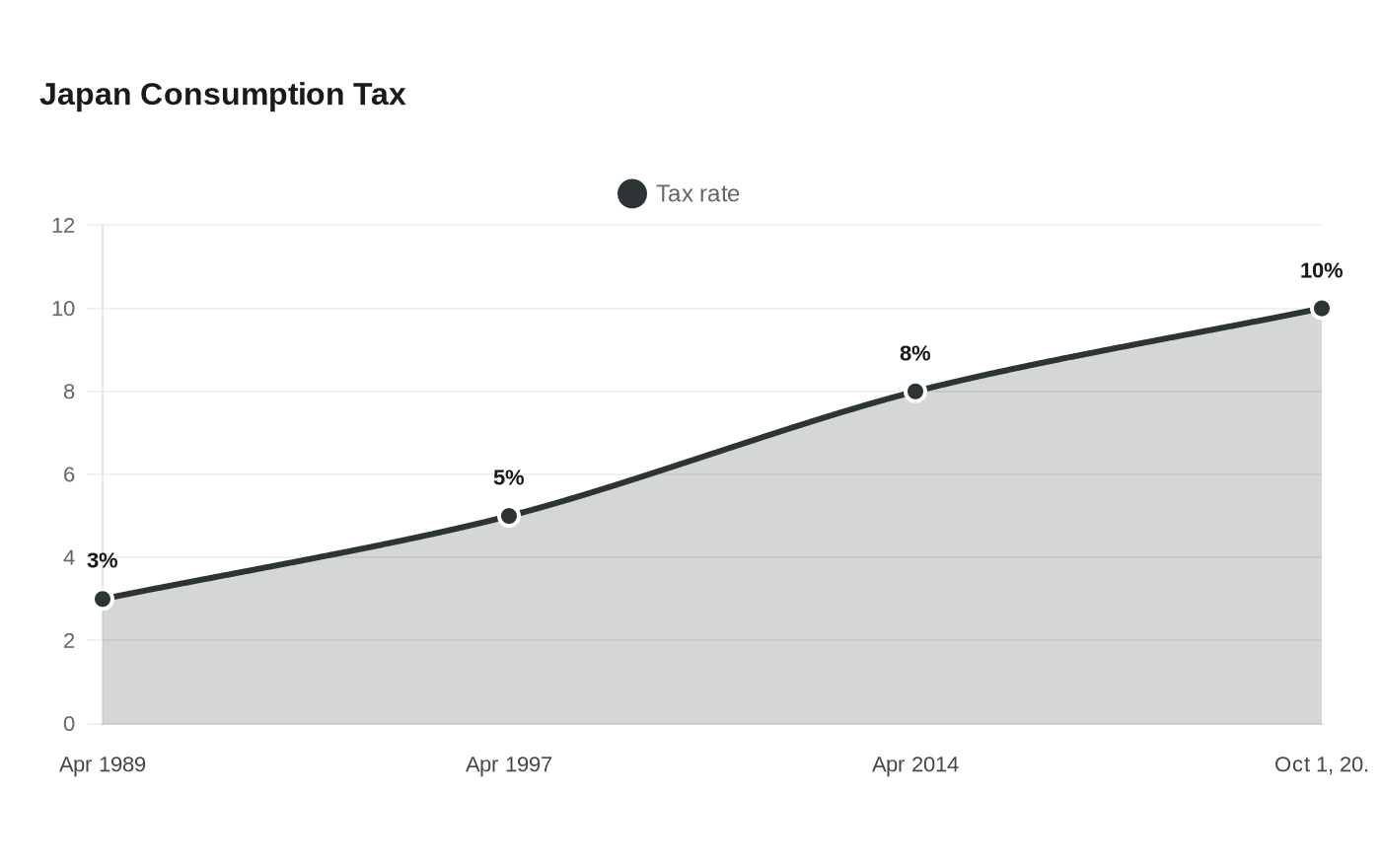
The proposal lands in a country where the consumption tax has been politically sensitive for decades. Japan introduced the levy at 3% in April 1989, lifted it to 5% in April 1997, then to 8% in April 2014, before raising it to 10% on October 1, 2019. The reduced tax rate system has been in operation since October 2019, and the Ministry of Finance says the revenue from that hike is used exclusively to stabilize and enhance the social security system.
That is why the upside for shoppers comes with a fiscal warning. Food taxes help fund pensions, health care and other social security measures, and the ministry says Japan is already leaning on debt and deferring burdens to future generations. A cut that lowers the food levy to 1% would ease pressure on households now, but it would also further strain public finances unless lawmakers find a durable replacement source of revenue.
Government and ruling-party officials are reportedly preparing amendment bills for an extraordinary National Diet session in the autumn, while Sanae Takaichi is expected to make the final call after discussions in the national council on social security. The debate now centers on a narrow but consequential tradeoff: whether to give consumers a short-term break on their food bills, or preserve a tax base that has long underwritten Japan’s social welfare state.
This article was produced by Prism’s automated news system from verified source data, official records, and press releases, then run through automated quality and moderation checks before publishing. The system is built and supervised by the people who set the standards it runs under. Read our full AI policy.
Did this article answer your question?


