Japan plans $2.3 trillion push into AI, chips and space
Japan is targeting about $2.3 trillion in public and private investment by 2040, betting AI, chips and space can become a real growth model.

Japan is preparing a $2.3 trillion wager that its next growth engine will come from public money pulling private capital into AI, semiconductors and space. The plan, built around about 370 trillion yen in combined investment by 2040 across 17 strategic sectors, is meant to read less like a short-term splash and more like a long-range industrial blueprint for an aging, debt-heavy economy.
Prime Minister Sanae Takaichi’s government is expected to fold the target into a new growth strategy, with the initiative potentially unveiled as early as next week. Officials are also weighing a multi-year budget framework for investments deemed strategically important, with some financing potentially coming from bridging bonds. That structure matters because Japan remains heavily indebted, and the administration needs to show that a bigger state role can still fit inside fiscal discipline.
The March 10 meeting of the Council for Japan’s Growth Strategy gave the clearest hint of how Takaichi wants to sell the program. She said the government had identified the “key products and technologies” in the 17 strategic fields and was discussing their estimated effects on the economy and public finance. The list runs well beyond AI, chips and space. It also includes shipbuilding, quantum technology, drones, cybersecurity, digital and communications, nuclear fusion, defense, aviation, oceans and critical minerals.

The real test will be whether the headline number turns into private investment, not just public commitments. The government’s pitch is that state spending should crowd in corporate capital, giving firms clearer signals on funding, taxes and procurement while strengthening supply chains and industrial capacity. That is a sharper turn than earlier, narrower industrial-policy pushes, which often focused on stimulus first and strategy second.
Japan’s fiscal limits make that bet politically delicate. IMF data show the country still carries one of the highest general government debt burdens among advanced economies. That is why the choice of a multi-year framework, and the possible use of bridging bonds, will be watched closely by markets and voters alike: Tokyo is trying to argue that a large intervention can be expansionary without triggering a debt scare.
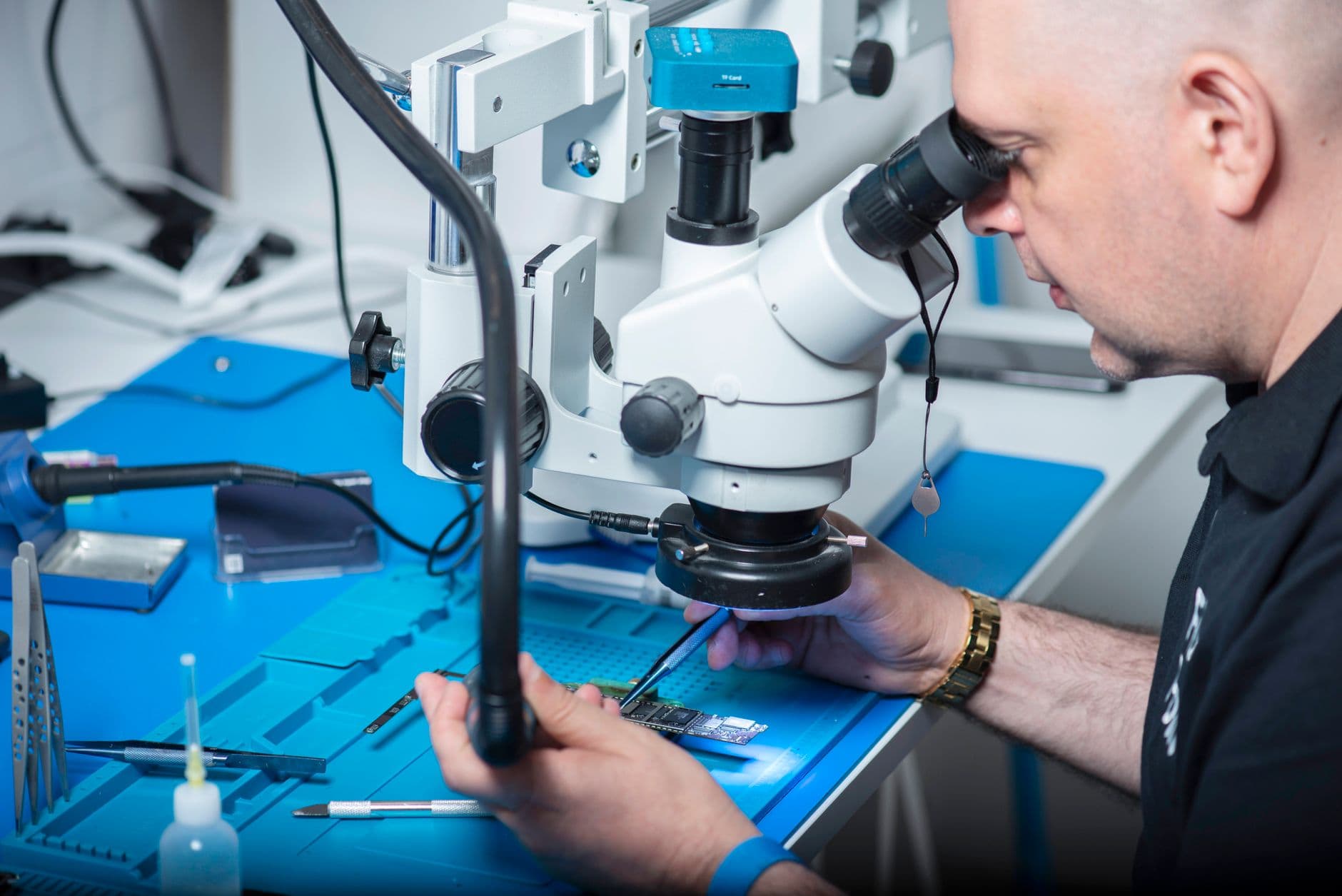
The semiconductor sector already offers a concrete benchmark. Japan approved an additional 631.5 billion yen for Rapidus in 2026, and total government support for semiconductor research and development has been described at about 2.35 trillion yen. If Takaichi’s broader strategy produces similar commitments across AI, space and the rest of the 17 sectors, it would mark a deeper shift in how Japan uses the state. If it does not, the 370 trillion yen figure will look less like strategy than political ambition.
This article was produced by Prism’s automated news system from verified source data, official records, and press releases, then run through automated quality and moderation checks before publishing. The system is built and supervised by the people who set the standards it runs under. Read our full AI policy.
Know something we missed? Have a correction or additional information?
Submit a Tip