Japan raids major ice cream makers over alleged pricing cartel
Japan’s ice cream makers are under antitrust scrutiny as record heat boosts demand and households face record spending on frozen treats.
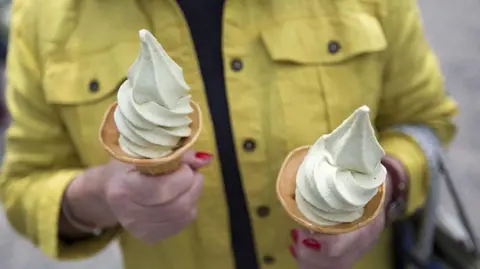
Japan’s hottest summer stretch has made ice cream a bigger item on the family budget, and regulators are now testing whether consumers were squeezed by weather alone or by coordination at the factory level. The Japan Fair Trade Commission began on-site inspections of six major producers on June 16 over allegations that they worked together on suggested retail prices, a move that could have reduced competition in a market where demand is climbing with the temperature.
The companies identified in reporting are Meiji, Morinaga Milk Industry, Lotte, Ezaki Glico, Morinaga & Co. and Akagi Nyugyo. The probe is reported to be the first time the commission has investigated an alleged cartel in Japan’s ice cream industry. Local media reports say the companies raised retail prices around the same time each year since about 2022, raising the question of whether recent increases reflected independent cost pressures or a coordinated pattern.

The timing is sharp because consumers are buying more frozen desserts as Japan heads into what forecasters expect will be a hotter-than-normal summer. The Japan Ice Cream Association says fiscal 2024 sales of ice cream and frozen desserts reached 645.1 billion yen, the highest since statistics began in 1966. Official statistics cited in reporting show average household spending on ice cream in 2024 hit 12,295 yen for two-or-more-person households, a record that underscores how quickly small purchases can add up when heat waves linger.
The industry has already spent years passing along higher costs. Meiji announced price revisions for several ice cream products in 2023, citing higher raw material, logistics, packaging and energy costs. That history matters because antitrust investigators will have to distinguish between legitimate inflation-related price increases and any agreement that may have narrowed competition across the market.
Akagi Nyugyo adds a layer of public memory to the case. The company became widely known for a 2016 apology after raising the price of its Garigari-kun ice pop by 10 yen, a reminder that even small changes in frozen treat prices can spark backlash in a country where ice cream is a summer staple. If the commission finds evidence of coordination, the case could become a benchmark for how Japan polices pricing in consumer goods just as heat and inflation keep pressing on household budgets.
This article was produced by Prism’s automated news system from verified source data, official records, and press releases, then run through automated quality and moderation checks before publishing. The system is built and supervised by the people who set the standards it runs under. Read our full AI policy.
Did this article answer your question?