Japan releases crested ibises on Honshu for first time in 2026
Eight crested ibises returned to Honshu in Hakui, capping decades of captive breeding, habitat repair and local planning after the species vanished from the wild.
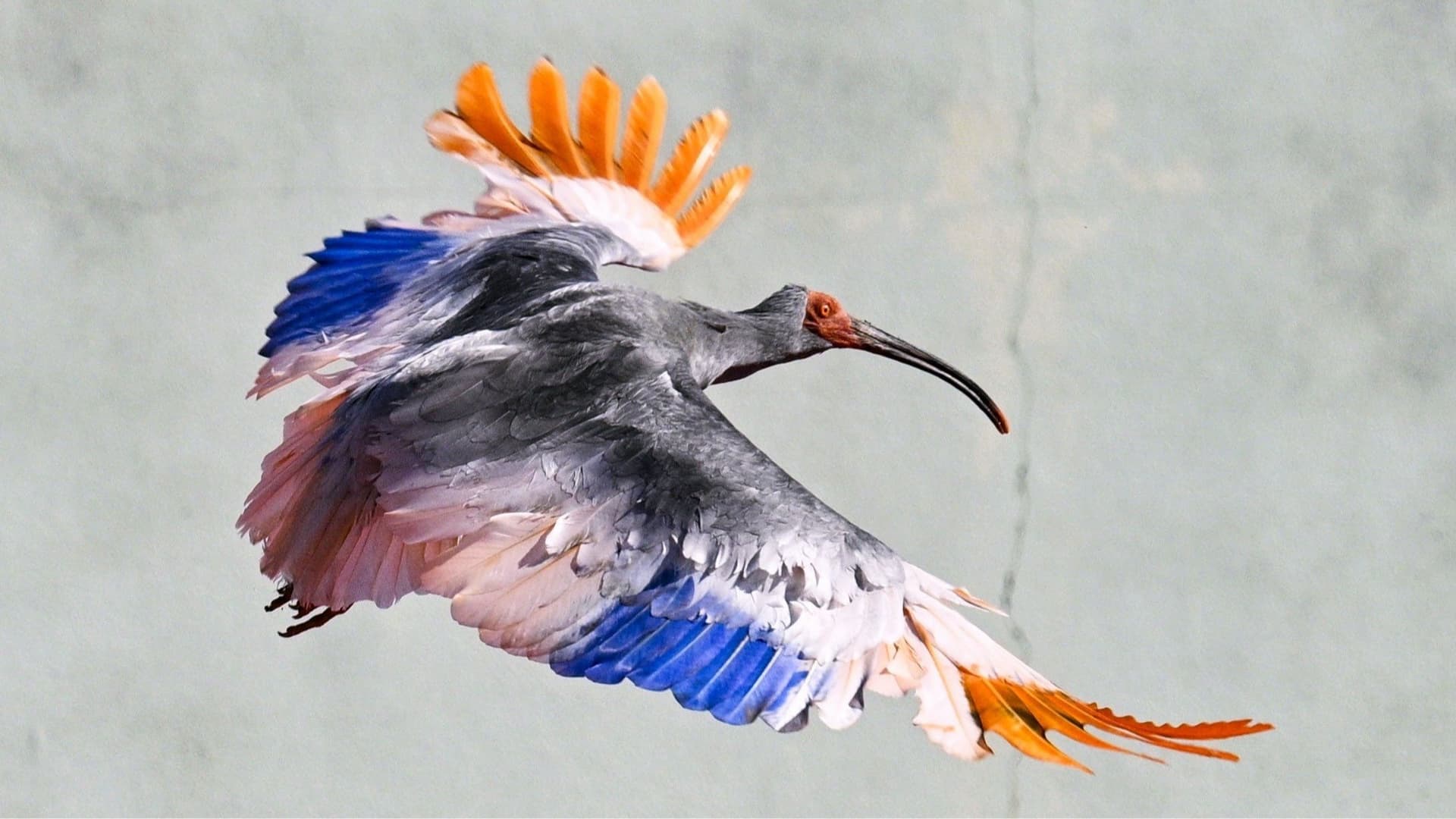
Eight crested ibises were released in Hakui on the Noto Peninsula, marking the first time the birds have been returned to the wild on Honshu and turning a decades-long recovery plan into visible action. The release came after Japan’s Environment Ministry set June 2026 as the target for reintroduction in the Noto region of Ishikawa, a move officials framed as both a wildlife recovery effort and a symbol of resilience after the January 1, 2024 Noto Peninsula earthquake.
The bird’s comeback has been built on a long conservation ledger. Crested ibises were once common across Japan, but overhunting and habitat degradation beginning in the Meiji period, from 1868 to 1912, drove the species toward extinction. The last crested ibis on Japan’s main island, a bird named Nori, was captured in Noto in 1970 and transferred to the Sado Ibis Conservation Center. By 1981, the last five wild birds had been captured, leaving the species extinct in the wild in Japan.

Recovery began in earnest with captive breeding, strengthened in 1999 when Japan received a pair from China, You-you and Yang-yang. That program took hold on Sado Island in Niigata Prefecture, where conservation work has since raised the domestic population to about 580 birds. The crested ibis is designated a Special Natural Monument in Japan, giving the species both legal protection and national cultural weight.
The Honshu release was not improvised. The Ishikawa prefectural government and nine municipalities in Noto formed the Noto Region Crested Ibis Release Promotion Council to prepare the region, focusing on rice paddies, satoyama landscapes, frogs and insects that can support the birds after release. In February 2025, the ministry said it would bring crested ibises back to the Noto region and set a long-term target of about 50 birds living at two or more Honshu release sites by fiscal 2030, with natural breeding confirmed at one site.

That is the policy lesson in this recovery: species return only when breeding, habitat, and local government coordination move together. Japan’s experience shows that a collapse can be reversed, but only through years of protection, controlled propagation, and the patient restoration of the landscape the birds need to survive on their own.
This article was produced by Prism’s automated news system from verified source data, official records, and press releases, then run through automated quality and moderation checks before publishing. The system is built and supervised by the people who set the standards it runs under. Read our full AI policy.
Did this article answer your question?


