Japan warns it may intervene as yen hovers near 160 per dollar
Japan warned it could act again as the yen held near 160, a level that has already triggered record intervention and fresh market anxiety.

Japan’s latest warning raised the same credibility question traders have been asking for months: if the yen keeps hovering near 160 per dollar, will officials actually step in again, or is this still mostly a message to test the market’s nerves?
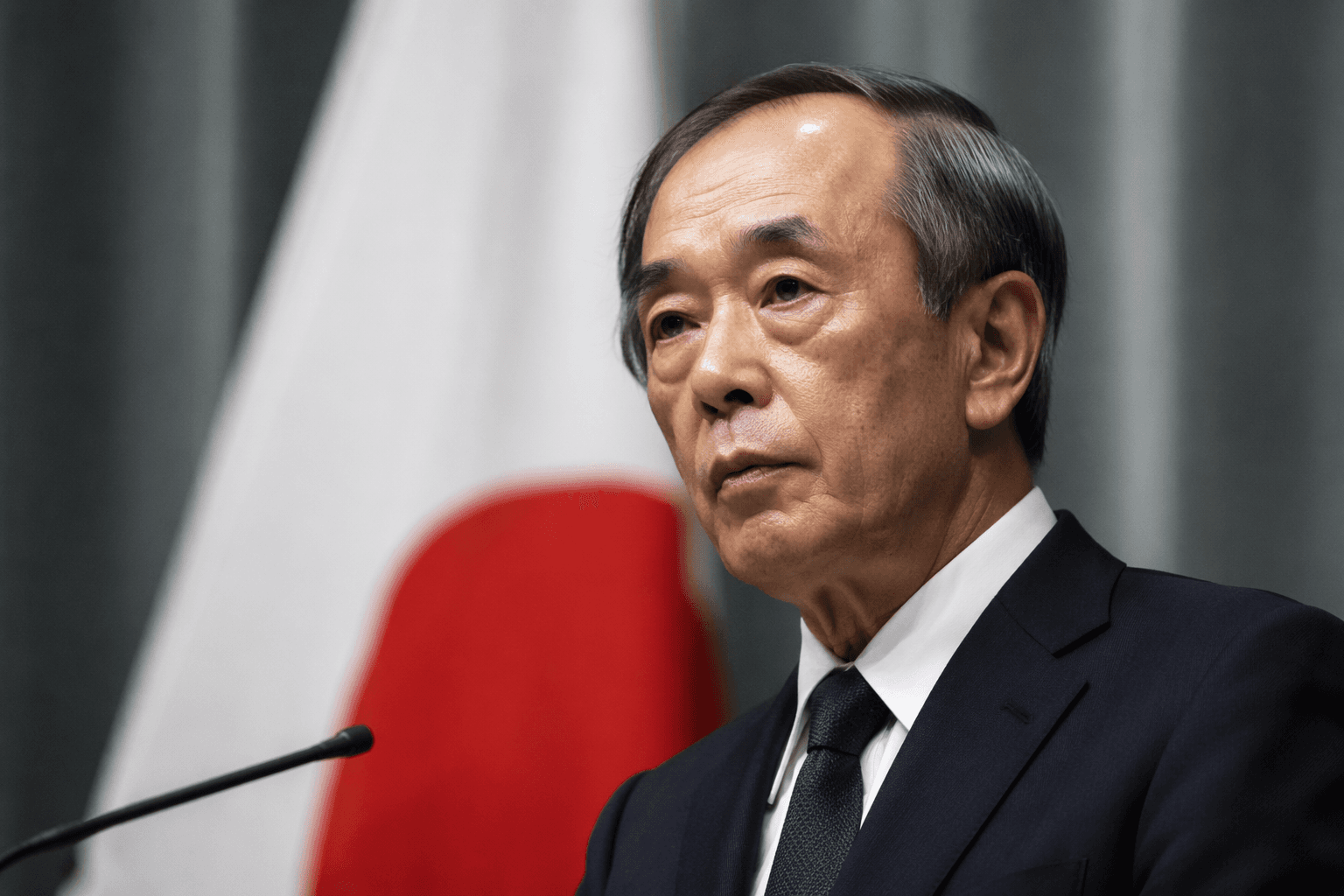
Finance Minister Satsuki Katayama told parliament on Friday that the government was ready to respond appropriately at any time and reserved the right to take decisive action against excessive volatility. The yen was trading around 160.015 per dollar when she spoke, leaving it pinned just above the level that market participants now treat as a possible trigger for official action.
Katayama said speculative trading had played a major role in the yen’s sharp swings, and she said Japan and the United States remained in close contact on foreign-exchange developments. That matters because Tokyo is still bound by a bilateral understanding with Washington that says exchange rates should be market-determined and intervention should be limited to cases of excessive volatility. The message was clear: Japan does not want to be seen targeting a fixed line, even as traders increasingly test one.
The warning carries extra weight because Japan has already shown it is willing to spend heavily when the currency slides too far. In late April and early May 2024, authorities spent 9.79 trillion yen in total to support the currency after it hit 160.245 per dollar on April 29. In July 2024, Japan spent another 5.53 trillion yen, or about $36.8 billion, after the yen fell to 161.96 per dollar, then a 38-year low. On March 27, 2024, the Bank of Japan, the Japan Ministry of Finance and the Financial Services Agency held a meeting after the currency hit a 34-year low.
For households, the yen’s weakness is not an abstract market move. It lifts the cost of fuel, food and other imports, feeding inflation through bills and supermarket prices. Tourism gets a boost because Japan becomes cheaper for foreign visitors, but that benefit is uneven and often smaller than the hit to consumers who buy imported essentials. Exporters tend to gain because overseas buyers can purchase Japanese goods at lower foreign-currency prices, although companies that rely on imported raw materials face higher costs.
That is why verbal intervention still has a role, but a limited one. A forceful warning can slow speculative attacks and remind traders that 160 is not a casual level for Tokyo. Yet if investors believe monetary policy remains the main driver of the currency, words alone are less likely to hold the line for long. Japan’s latest warning suggested officials still want to prevent a disorderly slide, but markets now want proof that the government will act if 160 stops being just a threshold and becomes a launch point.
This article was produced by Prism’s automated news system from verified source data, official records, and press releases, then run through automated quality and moderation checks before publishing. The system is built and supervised by the people who set the standards it runs under. Read our full AI policy.
Did this article answer your question?

%3Amax_bytes(150000)%3Astrip_icc()%2FCertificate-of-deposit-2301f2164ceb4e91b100cb92aa6f868a.jpg&w=1920&q=75)
