Japan's southwestern islands on high alert as Typhoon Bavi nears
Ishigaki taped windows and airlines canceled dozens of flights as Bavi neared the Sakishima Islands under Level 5 warnings and a week of deadly weather.
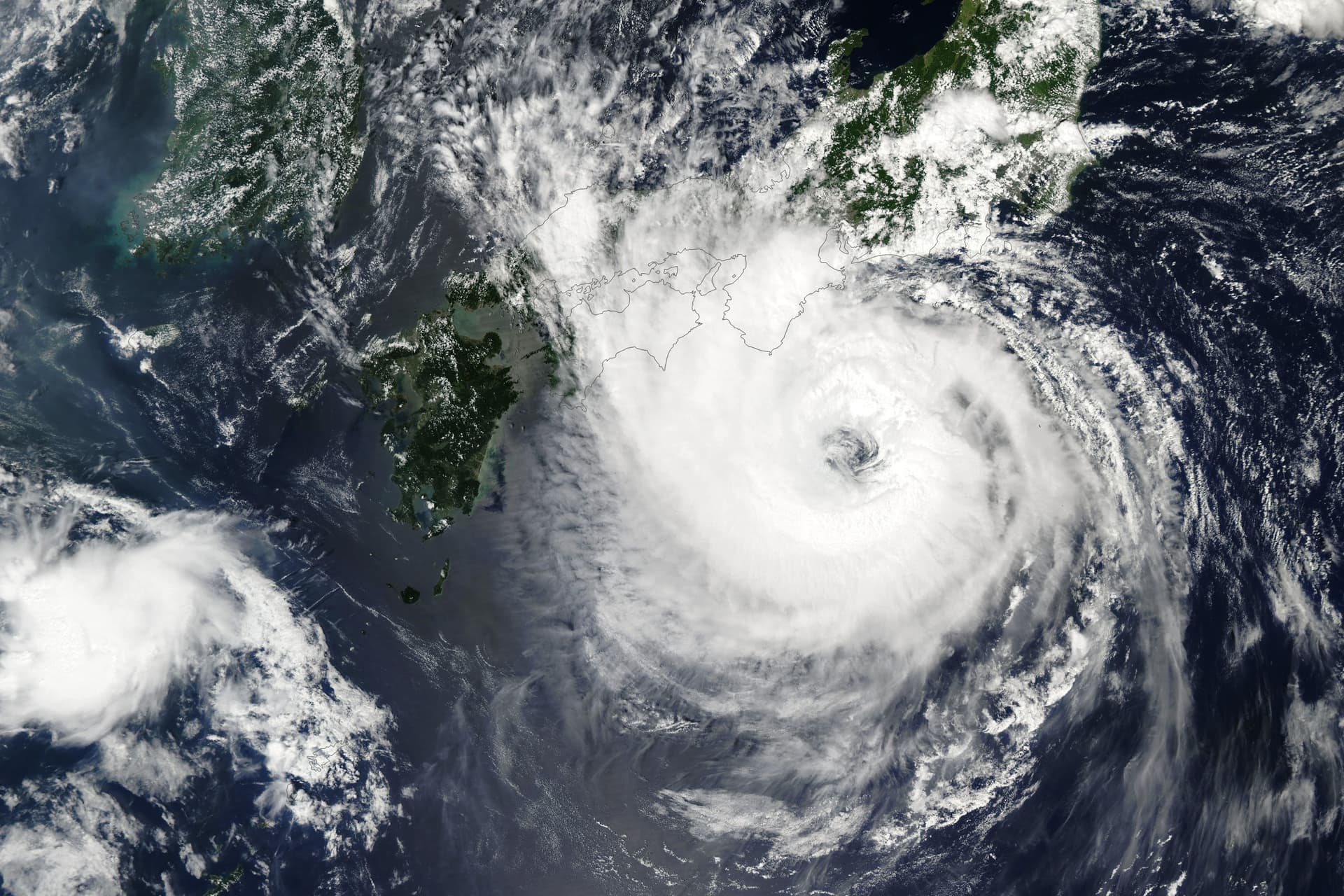
Typhoon Bavi churned toward Japan’s Sakishima Islands on Friday with maximum sustained winds of 162 kph, or 100 mph, as authorities warned of violent winds, torrential rain, landslides and flooding across the southwest island chain. The Japan Meteorological Agency issued Level 5 emergency warnings for parts of Okinawa and Daitojima, a designation that signals a life-threatening situation and demands immediate action.
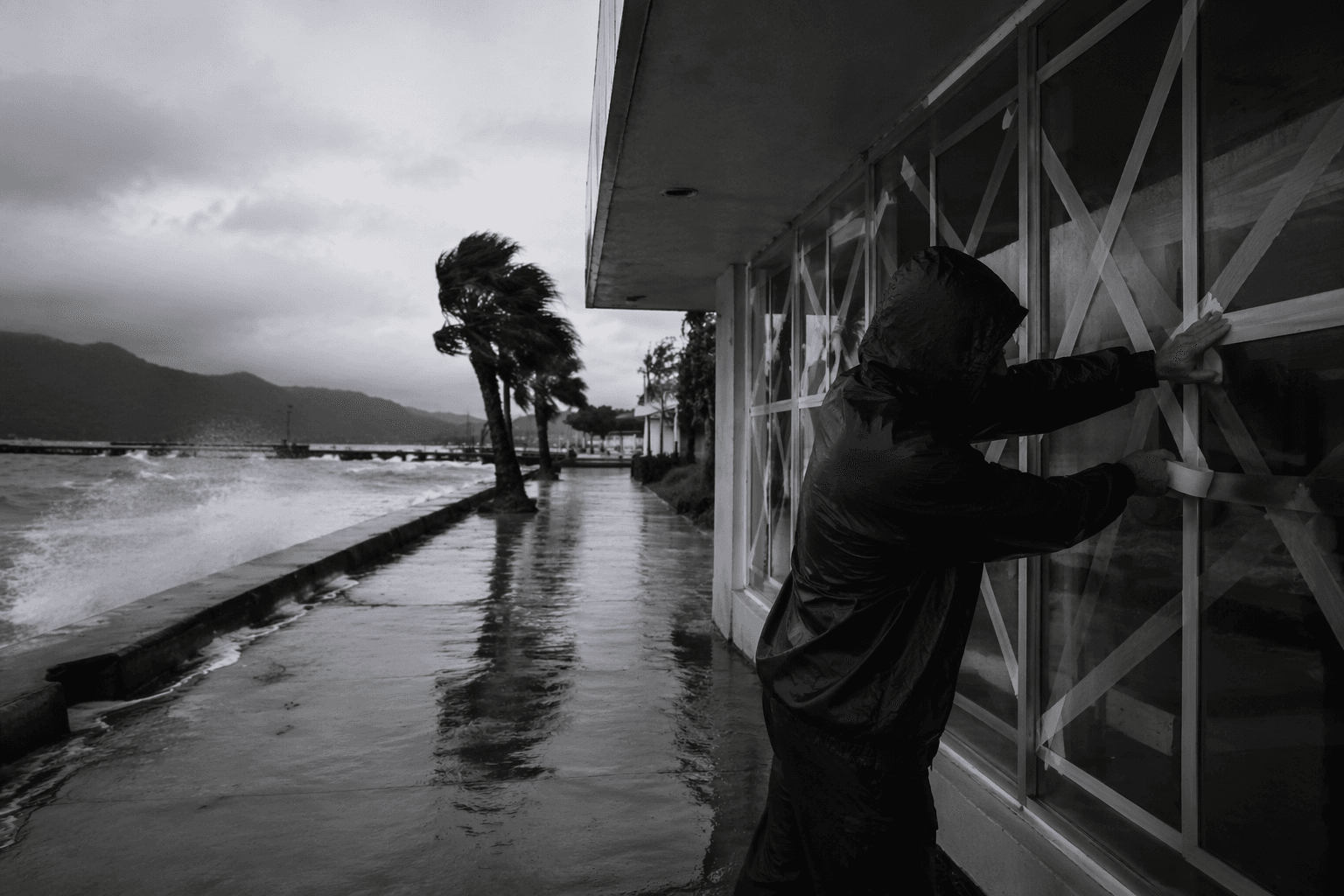
The storm was expected to come closest to Okinawa Prefecture’s Sakishima Islands from Friday to Saturday, a run-up that turned Ishigaki into a front line of preparedness. Residents taped windows, stretched windproof nets across vulnerable openings and braced for power cuts and transport disruptions. Airlines canceled dozens of flights, including Saturday services, while local shops and public facilities prepared for closures and interruptions on an island that depends heavily on tourism and is also home to a Japanese army base.
Bavi had already been classified by the Japan Meteorological Agency as a very large, very strong typhoon and the ninth of the 2026 season. Earlier agency updates placed its central pressure near 925 hPa and maximum sustained winds around 100 kt as it tracked westward, a strength profile that kept emergency planners focused on the narrow, remote communities that are most exposed to storm surge, slope failure and prolonged isolation. Reuters said the region could be facing one of its most destructive storms in years, a warning that carried added weight after a week of deadly weather across Asia.
The broader regional response reflected that strain. Taiwan closed markets and set up sandbag stations, while the storm was forecast to sweep toward China’s Zhejiang-Fujian coast and could make landfall near Wenzhou late Saturday. In the Philippines, a landslide killed five as another major storm approached Taiwan, underscoring how quickly the damage can compound when heavy rain arrives over already saturated ground.
For Japan’s southwestern islands, the immediate test was whether warnings, windproofing and transport shutdowns could buy time before the strongest bands arrived. The answer would depend on how long Bavi lingered near the Sakishima chain and how much rain fell before it moved on toward the East China Sea.
This article was produced by Prism’s automated news system from verified source data, official records, and press releases, then run through automated quality and moderation checks before publishing. The system is built and supervised by the people who set the standards it runs under. Read our full AI policy.
Did this article answer your question?