Jarvis urges Labour to meet the moment on defence spending
Jarvis has told Labour to “meet the moment” as a £13.5bn defence plan triggered two resignations and renewed pressure to spend faster.

Dan Jarvis used his first interview as defence secretary to urge Labour to “meet the moment” on defence spending, a message that lands amid a fresh row over whether the government is moving fast enough to rearm. He said he was “absolutely determined” to make sure the Armed Forces get “what they need”, putting the new minister at the centre of a budget fight that has already forced out his predecessor and the Armed Forces minister.
John Healey resigned on 11 June after objecting to Labour’s Defence Investment Plan, and Al Carns followed hours later after accusing No 10 of failing those who serve. The Telegraph reported that Healey’s resignation letter said the plan would have raised military spending by £13.5bn, equal to just 0.08% of GDP, a figure critics inside and outside government saw as too small for the scale of the threat. The defence bosses had asked for at least £18bn, leaving Keir Starmer with a gap he could not bridge.
The dispute now tests Labour’s promise to raise defence spending to 2.5% of GDP from April 2027, with an ambition to reach 3% in the next parliament if economic and fiscal conditions allow. Ministers have called that the biggest sustained rise in defence spending since the Cold War, but the political pressure is mounting to bring money forward, not simply to promise more later. Jarvis’s language suggests the next budget cycle will have to show how that translates into procurement, equipment orders and troop readiness, rather than another round of planning documents.
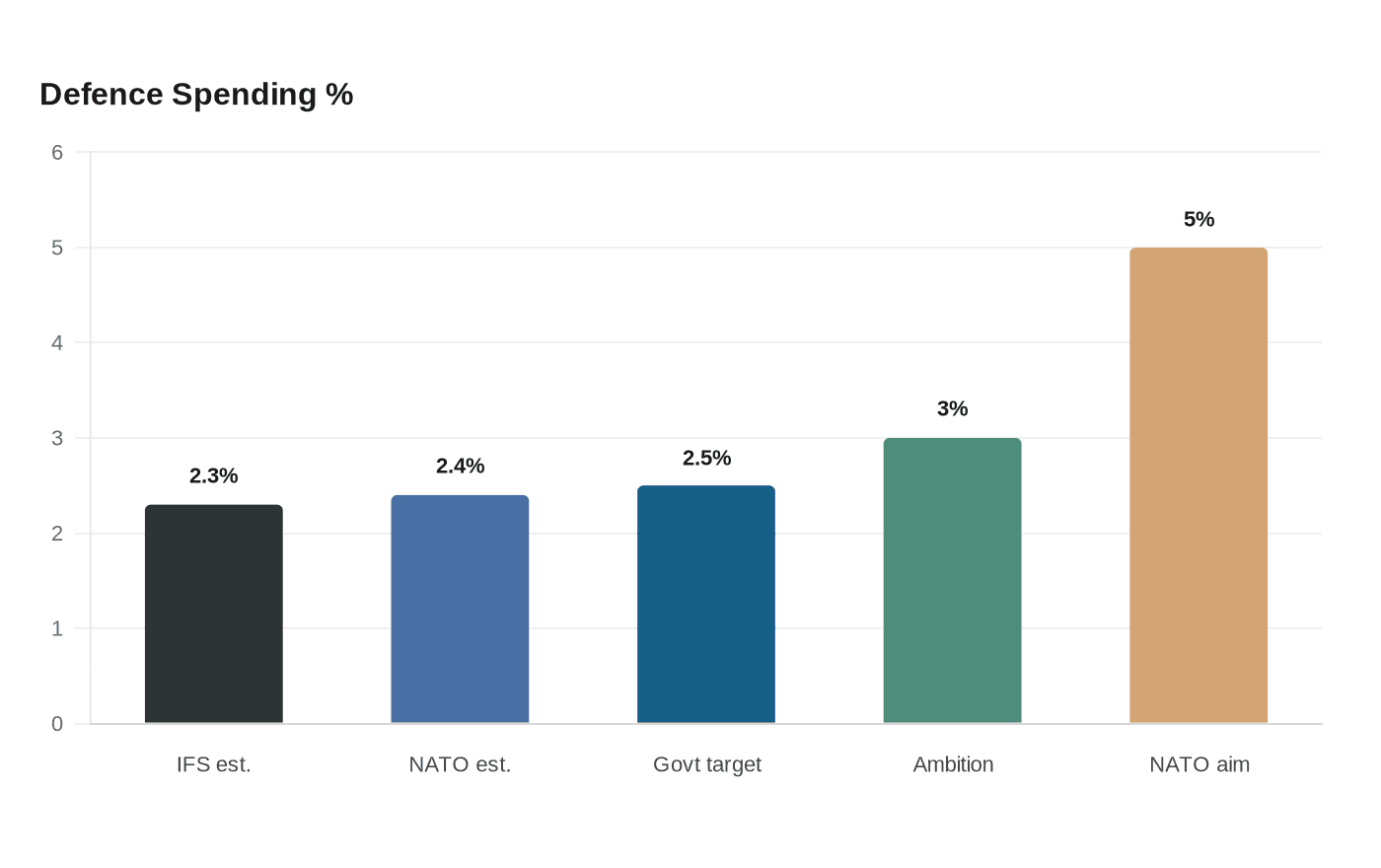
The numbers underline the squeeze. The House of Commons Library put UK defence spending at £60.2bn in 2024/25, while the Institute for Fiscal Studies estimated £66bn, or about 2.3% of national income. NATO put the figure at about 2.4% in 2025. Against that backdrop, the government’s current timetable leaves Labour defending a long runway to higher spending at a time when allies are pushing in the opposite direction.
That pressure is sharpening after NATO’s Hague summit set a new alliance-wide aim of spending 5% of GDP on defence and wider security by 2035, including at least 3.5% for core defence. Chatham House said Healey’s exit exposed a lack of government competence and warned that underfunding would leave Britain less safe and weaken its credibility with allies. The Strategic Defence Review, published in June 2025, had already concluded that the world is more dangerous and that urgent transformation of the Armed Forces is needed over the next three to five years. Jarvis now has to turn that warning into a spending plan the Treasury can sign off and the military can actually use.
This article was produced by Prism’s automated news system from verified source data, official records, and press releases, then run through automated quality and moderation checks before publishing. The system is built and supervised by the people who set the standards it runs under. Read our full AI policy.
Know something we missed? Have a correction or additional information?
Submit a Tip