JATCO scraps Sunderland EV powertrain plant after weak Nissan demand
JATCO has abandoned its Sunderland EV plant after Nissan’s weak European demand undercut the business case for local production.
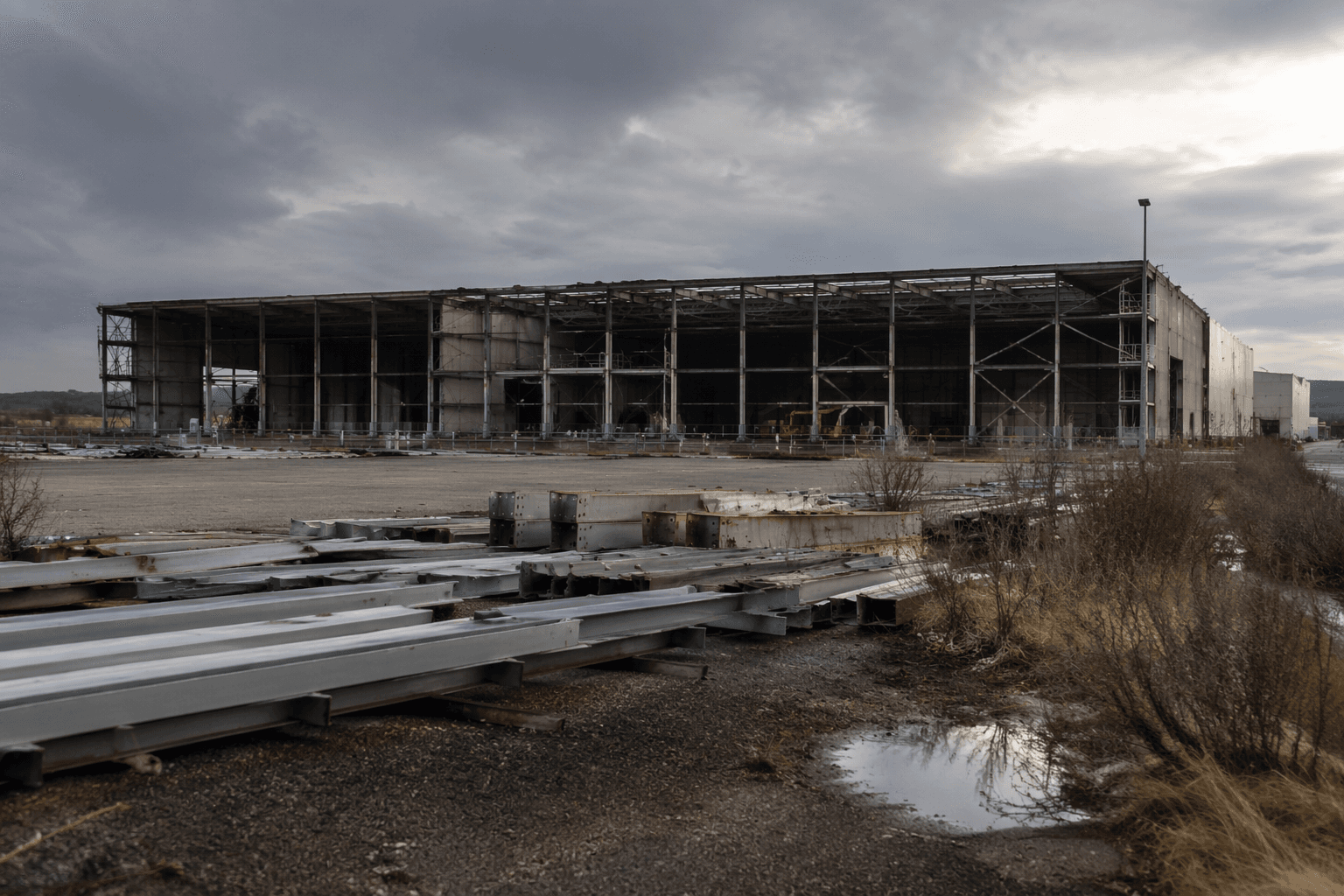
JATCO has scrapped plans for an electric-vehicle powertrain plant in Sunderland, undoing a project that was meant to anchor Britain’s EV supply chain with up to £48.7 million of investment and as many as 183 skilled jobs.
The Nissan Motor subsidiary had announced on January 16, 2025 that the Sunderland site would be its first manufacturing plant in Europe. It was to build a 3-in-1 EV powertrain for Nissan’s Sunderland plant and reach output of up to 340,000 units a year from 2026. The UK government said the wider £50 million deal between JATCO, Nissan and the government would create and support hundreds of jobs in North East England.

The collapse of the plan lays bare the gap between political promises and industrial reality in the EV transition. Weak demand for Nissan EVs in Europe appears to have weakened the case for making powertrains locally, even as governments have pressed ahead with announcements designed to show that electrification would deliver domestic manufacturing gains. The Sunderland project had been tied to the International Advanced Manufacturing Park, a 150-hectare regeneration site next to Nissan that South Tyneside Council says is expected to support more than £400 million of private-sector investment and over 7,000 jobs.
The setback is especially sharp in Sunderland, where Nissan says its factory has built more than 11 million cars over 39 years and employs more than 6,000 people. Nissan also points to its Cranfield technical centre as its engineering hub in Britain, underlining how much of the company’s UK footprint still depends on a handful of sites and supplier links. When one piece of the plan slips, the effects can spread quickly through the wider regional ecosystem.
The reversal also reflects broader pressure on global carmakers as electrification runs into slower demand, higher costs and uneven adoption across markets. Nissan had already been cutting back elsewhere after weak sales in the United States and China, and later in 2025 said it would reduce the number of auto production plants and review its powertrain factories. By April 2026, JATCO’s Sunderland plant was already seeking alternative work after the Nissan-linked powertrain project was dropped, raising fresh questions over the site’s long-term role in the EV supply chain and whether promised job creation will match the scale of the original pitch.
This article was produced by Prism’s automated news system from verified source data, official records, and press releases, then run through automated quality and moderation checks before publishing. The system is built and supervised by the people who set the standards it runs under. Read our full AI policy.
Did this article answer your question?

