JBS Meatpacking Workers Strike in Greeley Over Wages and Safety
Hundreds of JBS meatpacking workers in Greeley remained on strike, in what union organizers called the first walkout against the world's largest meat processor in the region in decades.
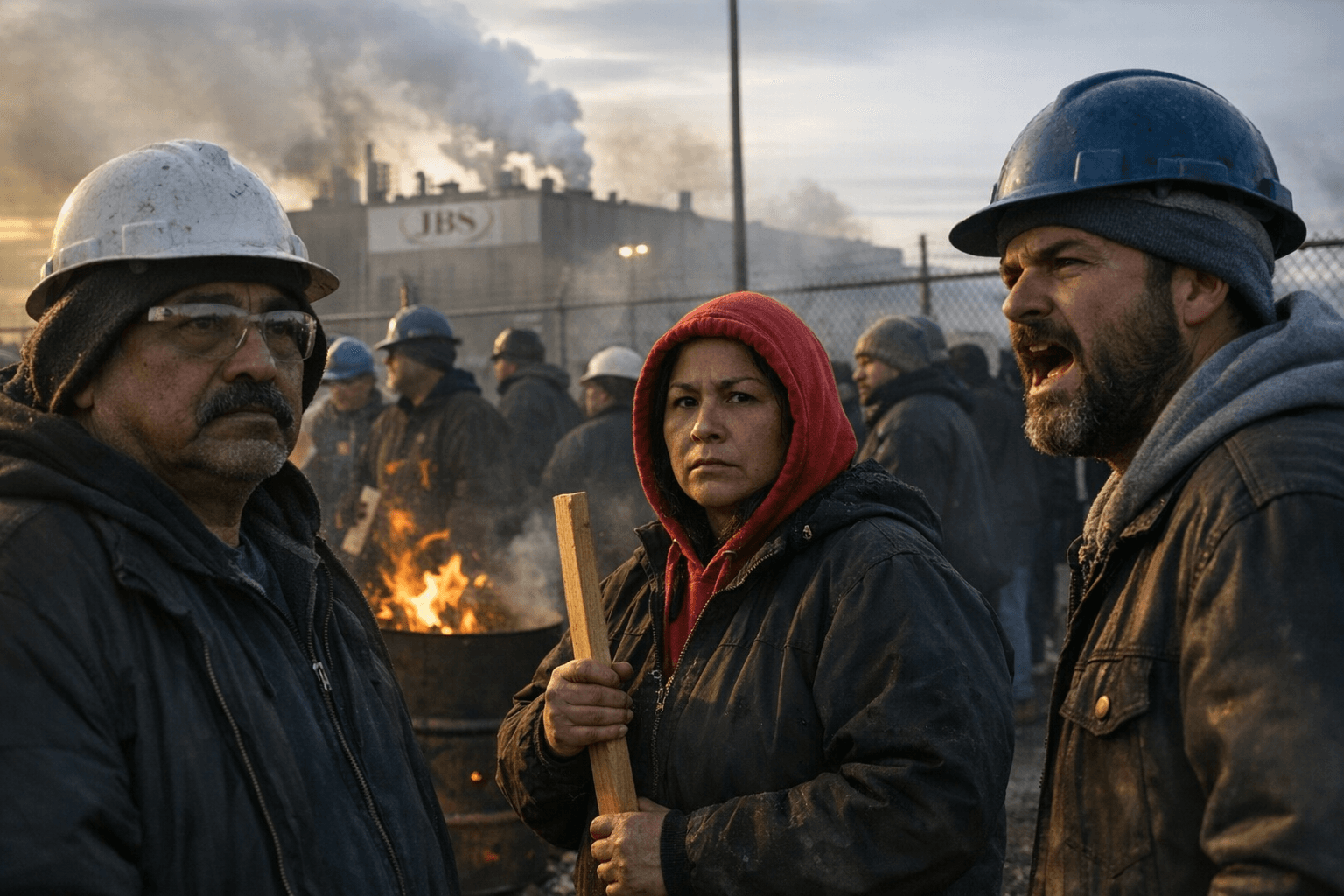
Workers at the JBS meatpacking complex in Greeley, Colorado were still on the picket line as of March 31, more than two weeks into a strike that United Food and Commercial Workers Local 7 described as the first of its kind against the multinational meat processor in the region in decades.
The action began in mid-March and involved hundreds to potentially thousands of workers who walked off the job over wages, workplace safety, scheduling, and what union organizers characterized as unfair labor practices. UFCW Local 7 framed the walkout as a fight for living wages commensurate with Colorado's sharply rising cost of living, with workers and shop stewards describing long shifts, injury risks on fast-paced production lines, and contract proposals that did not reflect regional market realities.
The grievances extended beyond pay. Workers raised concerns about wage theft and what organizers described as labor trafficking practices within some of JBS's subcontracting chains, adding a sharper legal dimension to a dispute that was already among the most consequential in Colorado's meatpacking industry in years.
JBS, the world's largest meat processor, contested some union claims and said it was working toward a negotiated settlement while maintaining contingency operations to keep supply chains functioning. The Greeley facility is a major node in U.S. beef processing capacity, and food-industry analysts warned that a prolonged stoppage there could create bottlenecks affecting costs for packers and wholesalers, with pressure eventually reaching retail beef prices.
The strike arrived against a backdrop of sustained labor unrest in food processing, logistics, and service industries across the country. Labor advocates cast the Greeley action as part of a broader push by workers in high-volume, low-margin industries to extract greater pay and safety protections from large employers. Longstanding debates over meatpacking automation and the use of subcontracting to dilute direct-employer responsibilities formed part of the backdrop to the current dispute.
With negotiations still ongoing at the end of March, the outcome carried stakes well beyond Greeley. A settlement favorable to workers could establish new regional benchmarks for wages and safety standards in the sector. A prolonged standoff could intensify bargaining pressure on JBS's other facilities and test the company's ability to manage sourcing disruptions and reputational exposure with major customers. Federal and state labor mediators had not been formally requested as of March 31, with observers closely watching whether third-party intervention would be needed to bring the parties to agreement.
This article was produced by Prism’s automated news system from verified source data, official records, and press releases, then run through automated quality and moderation checks before publishing. The system is built and supervised by the people who set the standards it runs under. Read our full AI policy.
Did this article answer your question?