Jennifer Thompson helps crime victims and exonerees heal from wrongful convictions
Jennifer Thompson, guilt-ridden after an innocent man went to prison for her rape case, now brings victims and exonerees together to heal.
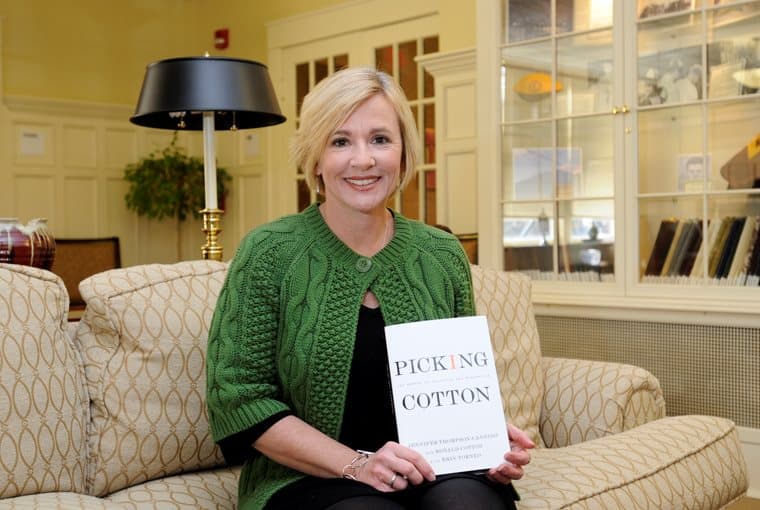
60 Minutes posted a March 18, 2024 segment on Jennifer Thompson’s work bringing crime victims and exonerees together after wrongful convictions. Thompson, a rape survivor whose Burlington, North Carolina, case helped send Ronald Cotton to prison before he was exonerated, has spent years trying to repair damage that did not end when the conviction was overturned.
CBS said it first reported on Thompson 17 years earlier, and her case has since become one of the best-known wrongful-conviction stories in the United States. Thompson and Cotton received the U.S. Office for Victims of Crime’s Special Courage Award in 2015, recognition for a case that exposed more than eyewitness error. It showed how a broken investigation can wound the original victim, the wrongly convicted person and both families at once. Thompson later discussed that burden in a March 27, 2019 Innocence Project interview focused on healing as a crime survivor of a wrongful conviction.

The retreat model at the center of the segment comes from Healing Justice, founded in 2015 to support people harmed on both sides of a wrongful conviction. The organization says crime victims and survivors are often overlooked and left with too little information or support when an exoneree is finally cleared. Its work includes retreats, advocacy, education and direct support, creating rare spaces where survivors and exonerees can meet face to face instead of remaining trapped on opposite sides of the same case.
The scale of that harm extends far beyond one North Carolina prosecution. The National Institute of Justice’s December 2023 report, Wrongful Convictions: The Literature, the Issues, and the Unheard Voices, collected the literature and the unseen experiences around bad convictions, including the long aftermath for families and victims. Leonard Mack’s exoneration after 47 years, which the BBC called the longest known wrongful conviction in U.S. history overturned by DNA evidence, showed how long that aftermath can last. The DNA tests identified another man, who later confessed. Thompson’s meetings with exonerees and victims reflect a blunt reality: when the justice system gets certainty wrong, healing often begins only decades later.
This article was produced by Prism’s automated news system from verified source data, official records, and press releases, then run through automated quality and moderation checks before publishing. The system is built and supervised by the people who set the standards it runs under. Read our full AI policy.
Did this article answer your question?