Jensen Huang kicks off Computex with Nvidia keynote on AI, robotics
Jensen Huang’s Taipei keynote is poised to signal Nvidia’s next move in AI chips, data centers and a possible Microsoft-linked PC play.
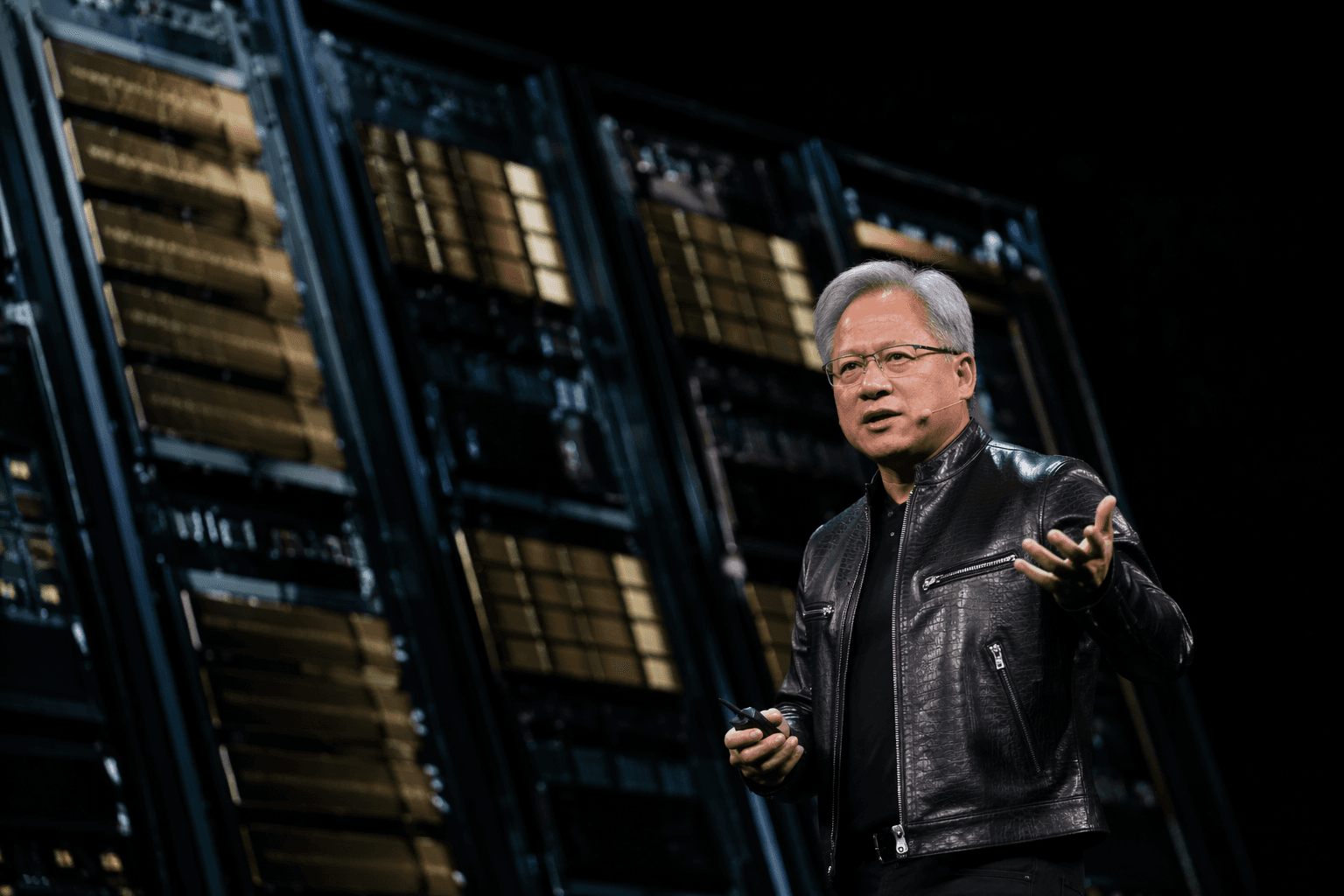
Jensen Huang will open Computex with a keynote built to do more than showcase new hardware: it will test how Nvidia plans to extend its lead in AI chips, tighten control over the data-center stack and signal whether a Microsoft partnership is nearing the stage.
Huang’s GTC Taipei keynote is scheduled for 11:00 a.m. Taiwan time on June 1 at Taipei Music Center, with a livestream planned. Nvidia says GTC Taipei at Computex runs June 1-4, while the broader Computex 2026 show follows June 2-5 across Taipei Nangang Exhibition Center Halls 1 and 2 and the Taipei World Trade Center.
The company has already framed the keynote around AI, robotics, accelerated computing, AI factories, scaling infrastructure, agentic AI and physical AI. That mix matters because it points to where Nvidia wants the market to focus: not just on chips, but on the full system needed to run them. The organizer has said Huang’s appearance will spotlight the partners needed to build the AI ecosystem, and Nvidia’s Taipei programming includes talks and sessions tied to Pegatron, Foxconn, GMI Cloud and National Taiwan University.
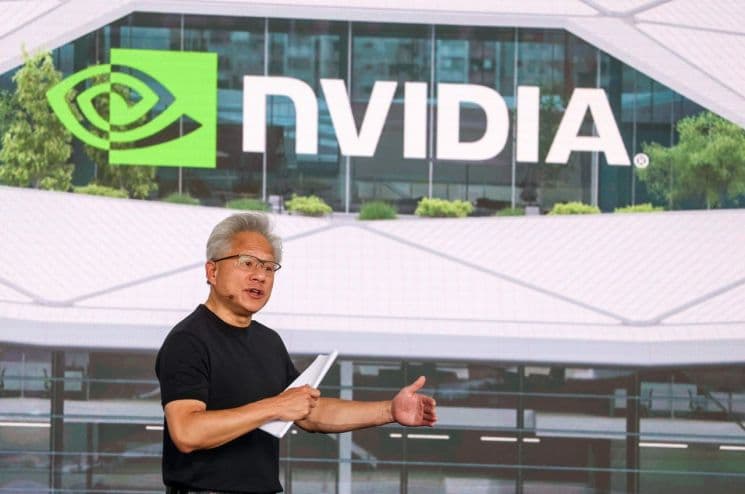
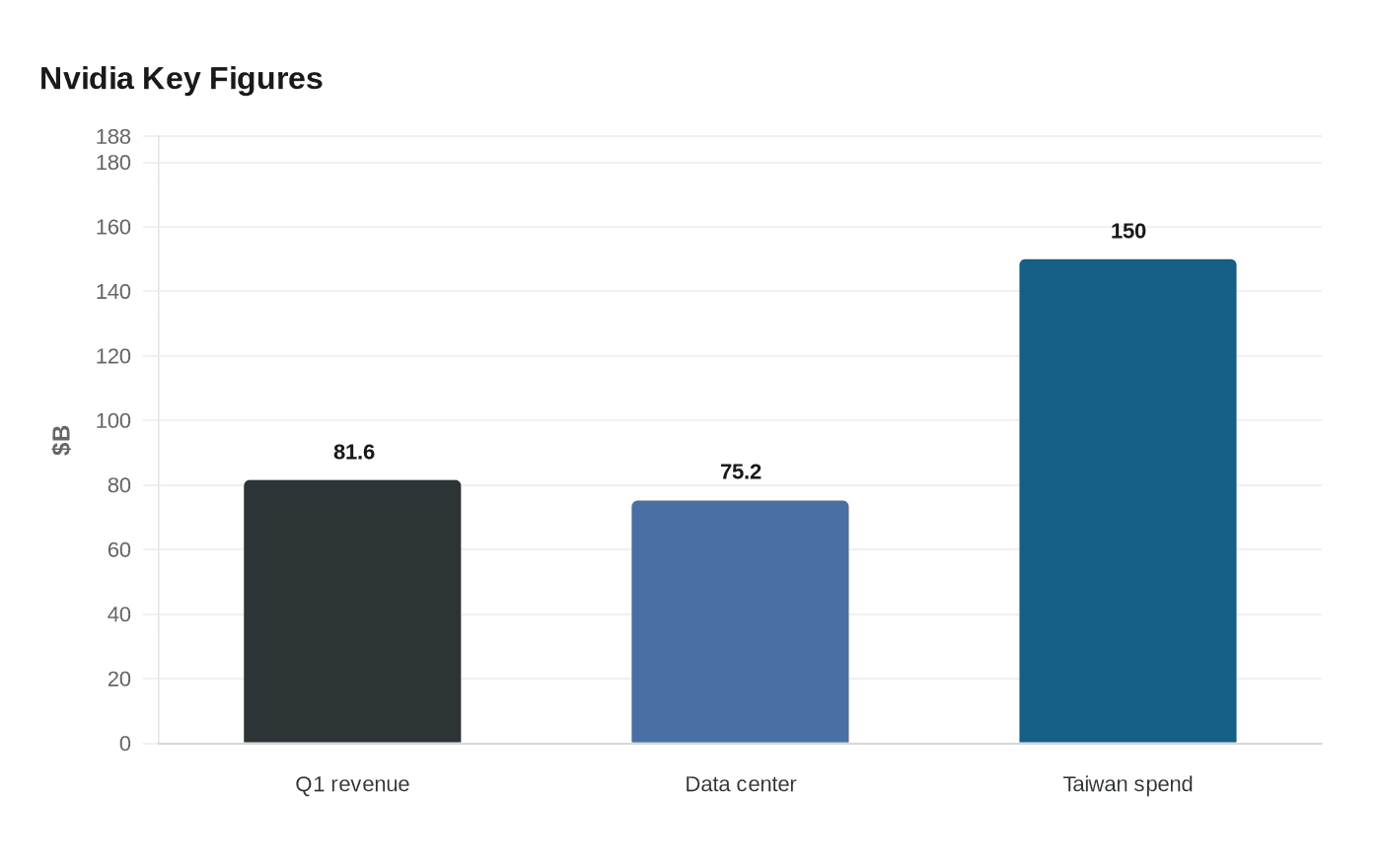
The timing gives the presentation unusual weight. Nvidia posted record fiscal first-quarter 2027 revenue of $81.6 billion on May 20, including $75.2 billion in data center revenue, numbers that reinforce how central the company has become to the AI boom. Huang has also said Nvidia plans to spend about $150 billion annually in Taiwan, a commitment that underscores how much of the company’s future still runs through the island’s foundries, assemblers and research talent.

That is why investors will be watching for three things. First, any new AI chip detail that hints at performance gains or a faster product cadence. Second, any expansion of Nvidia’s data-center strategy, especially around AI factories and the infrastructure needed to scale them. Third, any signal on China export constraints, which could shape how aggressively Nvidia can sell and where it can grow next.
The sharpest rumor centers on Microsoft. Teaser posts from Microsoft and Nvidia have pointed to Taipei coordinates and fed speculation about a new era of PC computing, possibly involving an Arm-based Windows chip or a related platform. If Huang confirms that kind of collaboration, the announcement would reach beyond gadget hype and into the fight over who controls the next generation of AI-enabled personal computers.
This article was produced by Prism’s automated news system from verified source data, official records, and press releases, then run through automated quality and moderation checks before publishing. The system is built and supervised by the people who set the standards it runs under. Read our full AI policy.
Did this article answer your question?