JetBlue and United Raise Checked Bag Fees Up to $10 Amid Rising Fuel Costs
United raised checked bag fees by $10 starting April 3, the second carrier in a week to hike costs as a fuel crisis tied to U.S.-Israel strikes on Iran reshapes the true price of a ticket.
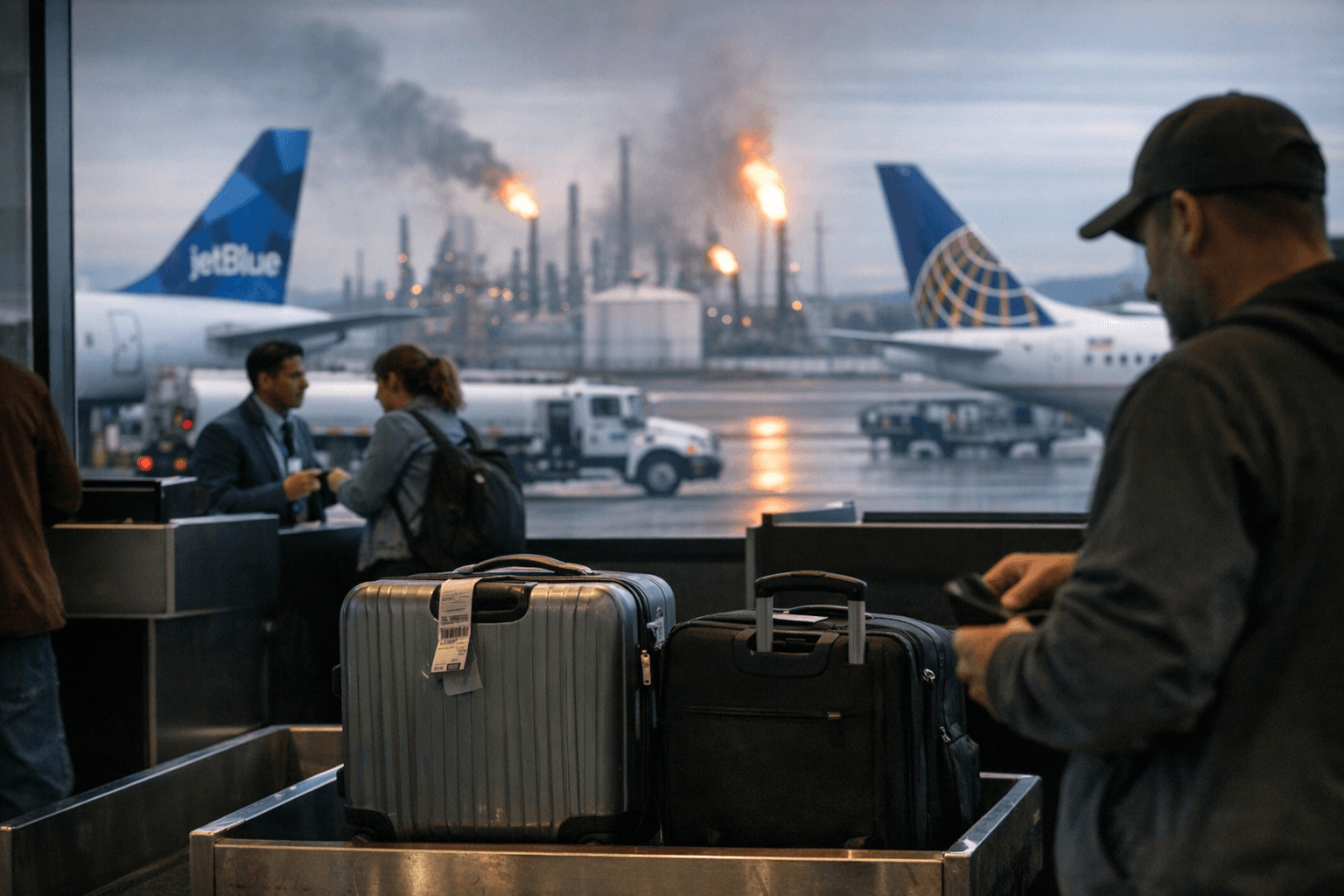
A family of four checking one bag each on a round-trip United Airlines flight now pays $80 more than they did two weeks ago. That's what a $10-per-bag increase looks like when the math scales to real travel, and it's the clearest sign yet that the industry's fuel crisis has moved from earnings calls to boarding passes.
United raised its checked bag fees by $10 on Thursday, making it the second U.S. carrier in less than a week to pass surging fuel costs directly to travelers. It's United's first bag fee hike in two years. The first checked bag now costs $45 if paid more than 24 hours before departure, or $50 for passengers who wait until the day of travel. A second bag runs $55 pre-paid or $60 closer to departure, covering domestic itineraries as well as flights to and from Mexico, Canada, and Latin America. The new pricing applies to tickets purchased from Friday, April 3.
JetBlue moved first, raising fees by $4 during off-peak travel periods and by $9 during peak travel windows. The pricing distinction matters: a traveler flying over spring break now pays $49 to check a first bag on JetBlue, up from $40. A second bag during peak periods runs $69, compared to $60 before the hike. JetBlue said in a statement, "while we recognize that fee increases are never ideal, we take careful consideration to ensure these changes are implemented only when necessary."
The underlying driver is a fuel market in crisis. Jet fuel costs have surged more than 80% since U.S. and Israeli forces launched strikes on Iran beginning February 28, restricting oil flows through the Strait of Hormuz. United has projected the higher oil prices will add approximately $11 billion to its fuel bill and has signaled it may raise base airfares by up to 20% as a further offset.
The increases hit budget travelers and families hardest. Leisure travelers checking bags in economy absorb the full hike. JetBlue's loyalty members and co-branded cardholders retain a free first-bag benefit, and United's exemptions cover Chase credit card holders, MileagePlus Premier members, and active military. Economy passengers without those affiliations pay full price with no alternative once they've booked.
What makes the timing worth scrutinizing is the structure of bag fees themselves. Checked bag revenue has always operated as a captive ancillary stream, allowing airlines to advertise low base fares while recovering costs from travelers who have no alternative once ticketed. The 80% fuel surge is documented and severe, but the question of whether fee increases are sized to recover costs or to extend a profitable model during a period of constrained traveler choice doesn't have a clean answer in either airline's public disclosures.
With United now aligned with JetBlue, American and Delta face the same fuel math with diminishing competitive reason to hold their own fees flat. The industry has a well-documented history of bag fee synchronization once a major carrier moves. Whether the fuel crisis or the revenue opportunity proves the more durable rationale for keeping the new rates, the higher floor is now set.
This article was produced by Prism’s automated news system from verified source data, official records, and press releases, then run through automated quality and moderation checks before publishing. The system is built and supervised by the people who set the standards it runs under. Read our full AI policy.
Did this article answer your question?

