JetBlue sued over claims it used personal data to shape fares
A New York passenger says JetBlue used personal data, browser signals and trackers to shape fares, raising a fresh fight over surveillance pricing.
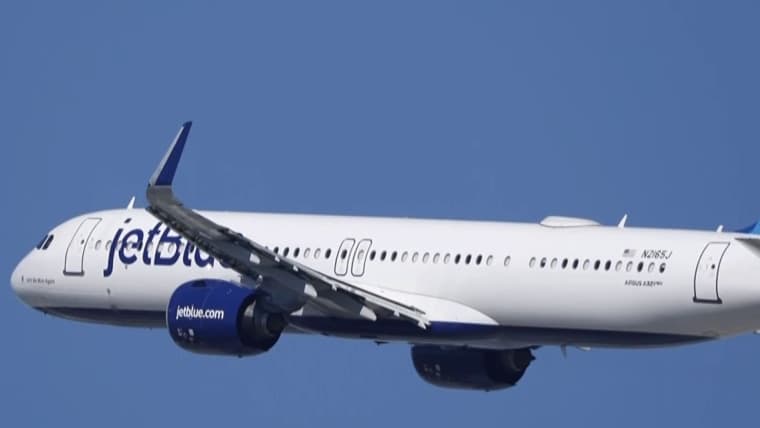
JetBlue is facing a new privacy challenge after a New York City passenger accused the airline of using personal data to influence airfare, turning an ordinary ticket purchase into a test of how far airlines can go in tailoring prices. Andrew Phillips filed suit in Brooklyn federal court on Wednesday, saying he had no idea he was being monitored when he booked a December ticket and that JetBlue used information including internet history and other demographic signals to steer what different customers paid.
The complaint says JetBlue engaged in surreptitious data collection and price manipulation without meaningful consent. Phillips, who is seeking to turn the case into a class action, said the airline never told him that private information was being monitored or sold. The lawsuit seeks unspecified damages and leans on New York consumer-protection law and the Electronic Communications Privacy Act, a combination that could put airline pricing practices under sharper legal scrutiny if the case moves forward.
JetBlue has denied the allegation. The airline said it does not use personal information, web browsing history or artificial intelligence to set individual ticket prices, and that fares are driven by demand and seat availability, with the same fares available to all customers on its website and app. Phillips pointed to a social-media exchange as evidence that JetBlue may have acknowledged using cookie-collected data. That exchange began on April 18, when a customer said a JetBlue fare had jumped by $230 in one day while trying to get to a funeral. JetBlue first replied that he should clear his cache and cookies or use an incognito window, then later said that response was incorrect and that fare changes can happen as seats are purchased or inventory is adjusted based on demand.

The lawsuit arrives as lawmakers and regulators intensify pressure on the airline industry over so-called surveillance pricing. On April 21, Rep. Greg Casar and Sen. Ruben Gallego sent JetBlue a letter asking whether customer data, browser data, cookies, artificial intelligence or third-party pricing vendors influence fares, how many customers could be affected, and whether JetBlue buys outside data for pricing. Their concern was stark: that two passengers on the same flight could pay different amounts because one is attending a funeral or shows other personal circumstances in their digital trail.
The broader backdrop is the Federal Trade Commission’s work on surveillance pricing. The agency issued orders to eight companies in July 2024 and said in January 2025 that details such as precise location and browser history can often be used to charge consumers different prices for the same goods and services. JetBlue’s privacy policy, last updated in June 2025, says it collects information across its websites, mobile app, onboard wireless services and in-flight entertainment system, and can change that policy at its discretion. For JetBlue, headquartered in Long Island City, the case could become a referendum on whether dynamic pricing stops at market demand or crosses into individualized surveillance.
This article was produced by Prism’s automated news system from verified source data, official records, and press releases, then run through automated quality and moderation checks before publishing. The system is built and supervised by the people who set the standards it runs under. Read our full AI policy.
Did this article answer your question?