Jewish Pilgrims Return to Tunisia’s El-Ghriba Synagogue After Attack
Pilgrims from four continents returned to El-Ghriba under heavy guard, testing whether Tunisia can restore a festival scarred by the 2023 attack.

Pilgrims from France, China, Ivory Coast and Italy returned to Tunisia’s El-Ghriba Synagogue this year, a modest but loaded sign that one of North Africa’s oldest Jewish rituals is trying to reclaim normal life after a deadly attack shook the island of Djerba. France’s ambassador to Tunisia was among the visitors, and roughly 500 people took part in the pilgrimage, a smaller crowd than in more typical years but still a visible revival for a ceremony tied to Lag B’Omer.
The pilgrimage ran from April 30 through May 6 at the 26-century-old synagogue, where worshippers lit candles, read sacred texts and placed written wishes on eggs inside a sacred cave, a practice believed to bring blessings. For Tunisia’s tiny Jewish community and for members of the diaspora who travel back to Djerba, the event remains both a religious obligation and a declaration that a centuries-old presence still endures on an island where Jews have lived since Roman times.
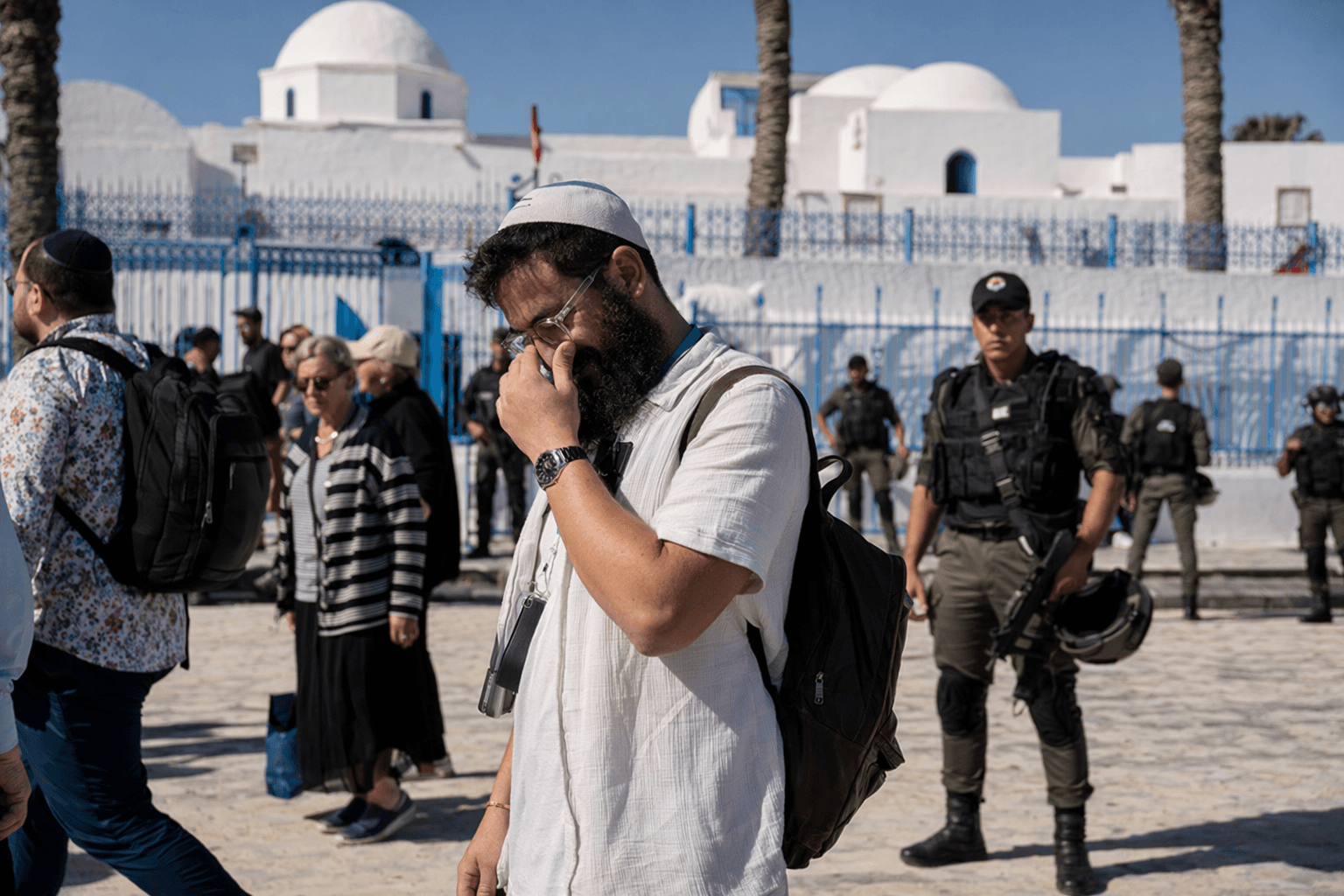
That sense of return carried added weight after the May 10, 2023 attack on the shrine killed two worshippers and three police officers. Security this year was impossible to miss. Police checkpoints, barricades and searches lined the approaches to the island, with especially heavy measures around Hara Seghira and Hara Kebira, Djerba’s main Jewish quarters. The visible protection underscored the central question hanging over the pilgrimage: whether symbolic normalcy can really come back without erasing the fears that forced restrictions in the first place.
The most important sign of easing came with the return of the traditional Minara procession, held for the first time since the attack. That procession, long part of the pilgrimage’s public face, suggested authorities were willing to allow a cautious step back toward the pre-attack rhythm even as the security apparatus remained firmly in place. Redj Cahen, a Tunisian-Italian pilgrim who missed the event last year, said, “We are back, and we are proud to be Tunisian Jews.”
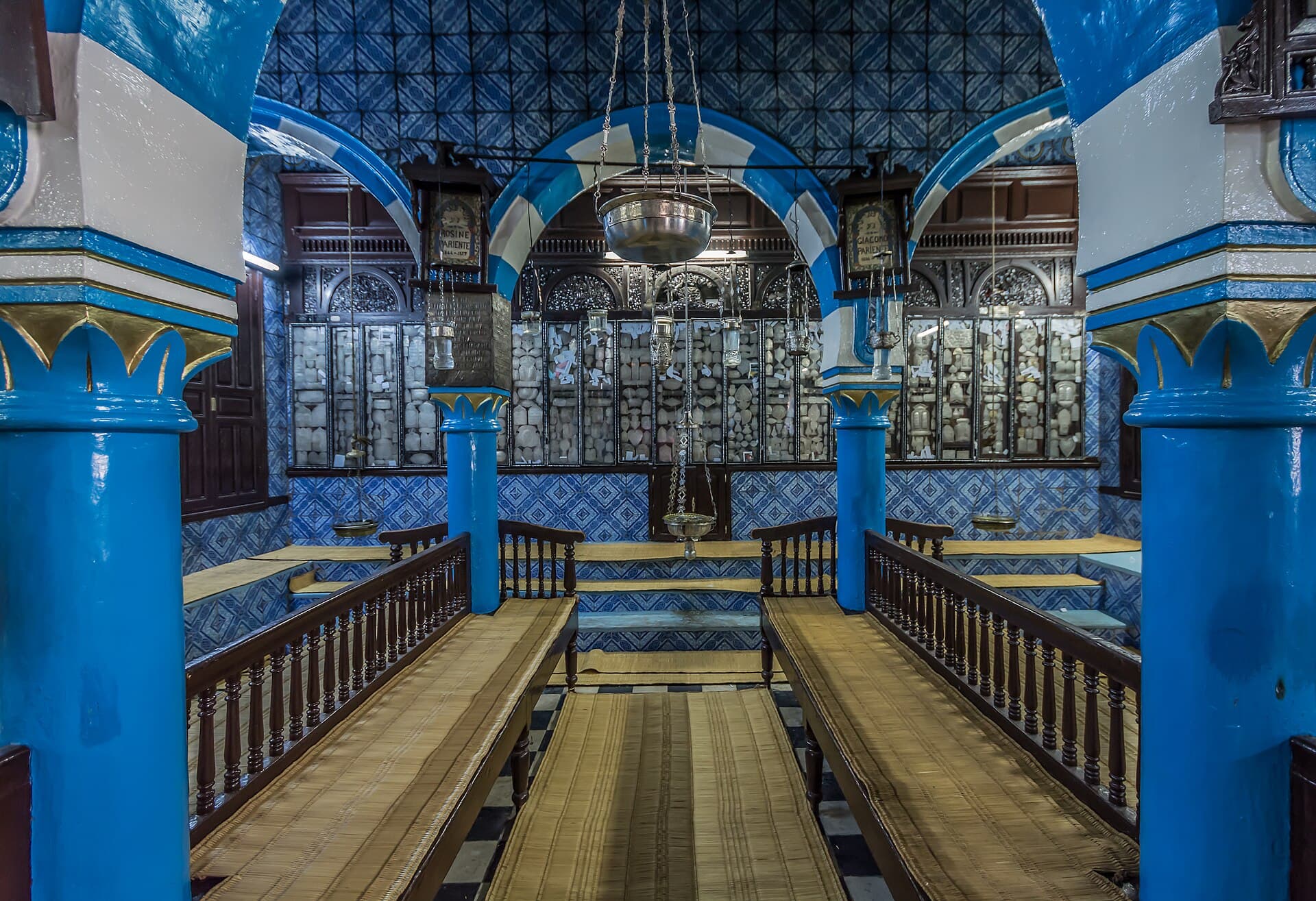
The numbers show both progress and the limits of recovery. In 2024, about 2,000 people attended, including 1,000 from abroad, which had already pointed to a rebound. This year’s total was lower, but still significant for an event centered on El-Ghriba, which is widely regarded as Africa’s oldest synagogue and one of the oldest in North Africa. UNESCO’s 2023 inscription of Djerba as a World Heritage site, recognizing a settlement pattern that developed around the ninth century, adds another layer to the story: the pilgrimage is not only a religious gathering, but also a test of Tunisia’s image, its tourism prospects and its promise of coexistence.
This article was produced by Prism’s automated news system from verified source data, official records, and press releases, then run through automated quality and moderation checks before publishing. The system is built and supervised by the people who set the standards it runs under. Read our full AI policy.
Did this article answer your question?