J.K. Simmons reflects on character acting and new mob series The Westies
J.K. Simmons turns a 200-credit character-actor career into another marquee lead, fronting The Westies as MGM+ sets its July 12 debut.
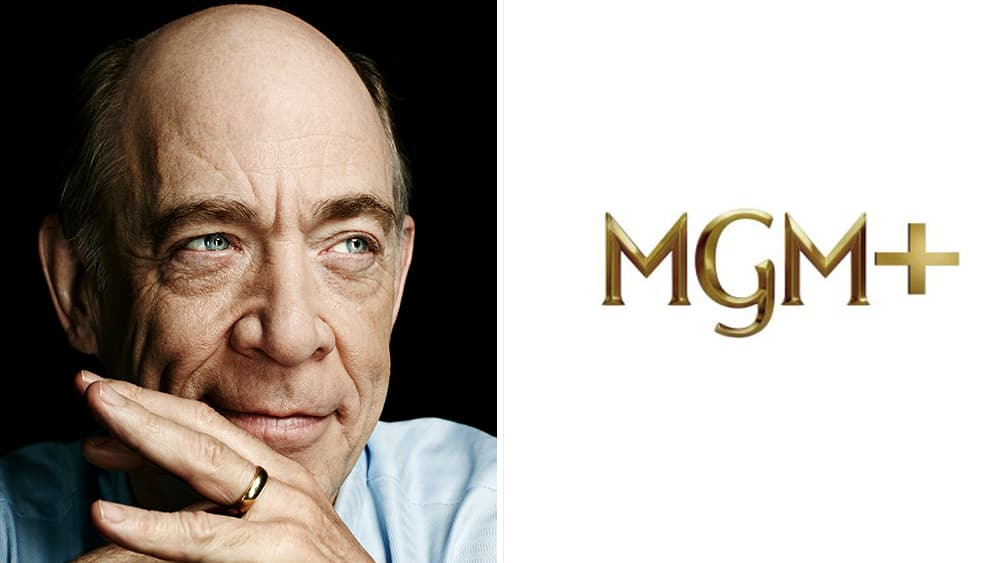
J.K. Simmons has spent nearly four decades proving that the most durable screen careers do not always belong to the loudest stars. The Oscar winner, who took home the Academy Award for Best Supporting Actor in 2015 for Whiplash, now steps into a mob boss role in MGM+’s The Westies while reflecting on how a steady, supporting-player path gave him staying power.
A career built on range, not branding
Simmons has more than 200 screen and stage credits dating back to his 1986 debut, a résumé that maps the value of a character actor in an industry that often prizes instant recognition and franchise packaging. He has become one of the most familiar faces in film and television through memorable supporting turns, including work in Law & Order and the Spider-Man films, where presence mattered more than top billing.
That pattern is central to the way Simmons talks about his own career. He embraces the character-actor label, and the joke lands because the label is also the explanation: a character actor can disappear into a role, then reappear in another completely different register. In an era when celebrity branding often demands a fixed image, Simmons has made versatility look like the better long-term business model.
The Westies gives him a new kind of lead
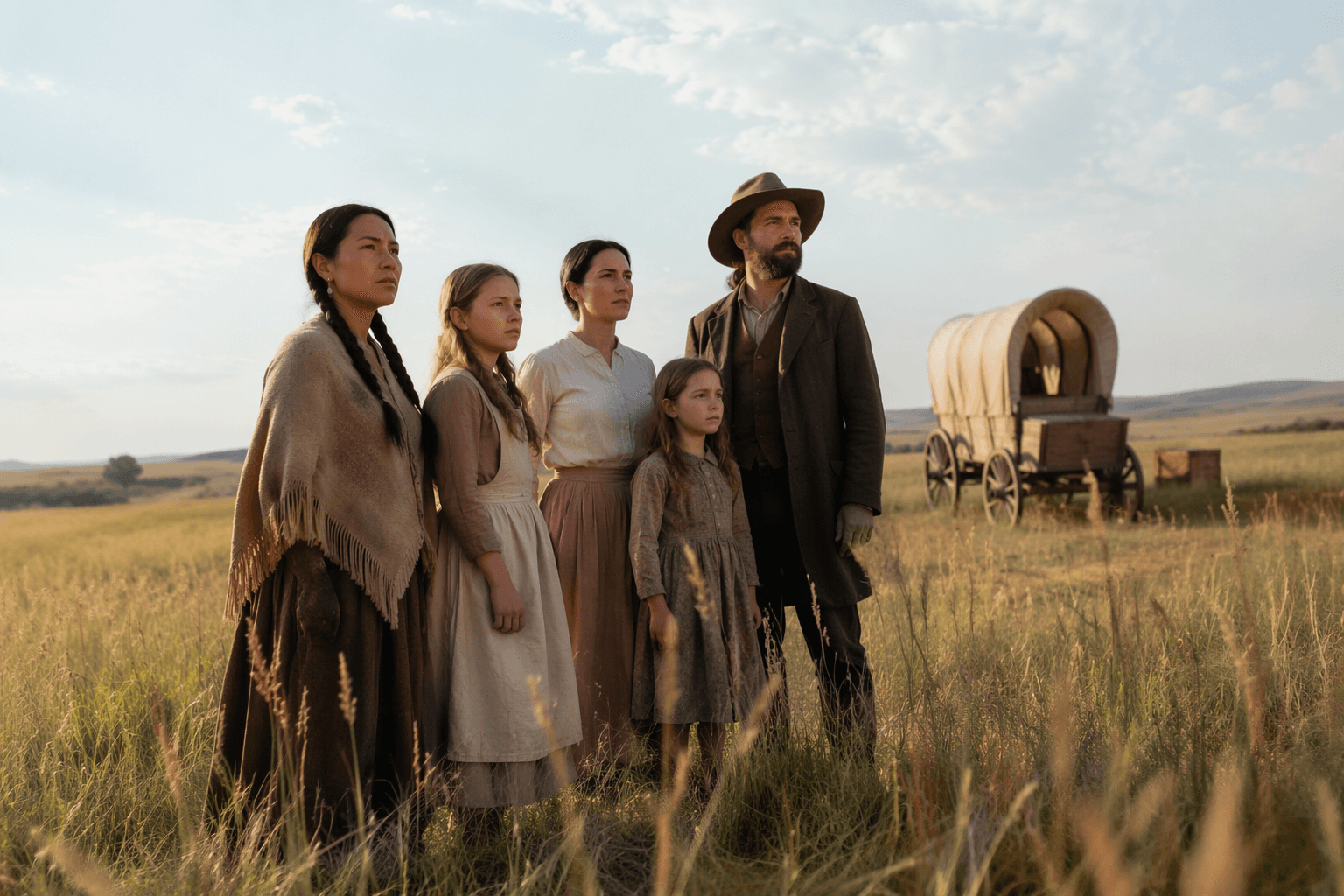
The new MGM+ series puts Simmons at the center of a gritty crime drama set in early 1980s Hell’s Kitchen, where a violent Irish gang is pulled into a fight over profit tied to construction of the Jacob Javits Center. The setup pushes the story beyond neighborhood crime into a three-way pressure point involving gang rivalries, the Mafia and FBI scrutiny, which gives the show a period-specific New York backdrop with built-in political and financial stakes.
MGM+ says The Westies premieres on Sunday, July 12, 2026, and will open with two episodes before moving to a weekly release. The series was co-created by Chris Brancato and Michael Panes, and Deadline reported on May 28, 2025, that Simmons was tapped to headline opposite Titus Welliver. Later cast additions included Jessica Frances Dukes, Tom Brittney and others, widening the ensemble around a story that depends on shifting loyalties as much as violence.
For Simmons, the role continues a late-career pattern that has become increasingly visible across prestige television. He is not being cast to replicate a movie-star aura; he is being trusted to anchor a complicated world, which is a different kind of leading role and often a more demanding one.
How the slow burn shaped the performance
In a conversation with Tracy Smith on CBS News Sunday Morning, Simmons reflects on the difficult early days of his career and how that slow build helped him avoid the pressure that can come with early fame. That distinction matters in an industry where an accelerated breakthrough can narrow the kinds of roles an actor is offered for years afterward.
Simmons’ path ran in the opposite direction. His career matured through repetition, reliability and range, not a single breakout that froze him in place. By the time Whiplash brought him an Oscar in 2015, he had already spent decades building a reputation that producers and directors could trust across film, television and stage.
That long arc helps explain why his presence still lands. He can move from menace to authority to dry humor without making the transition feel like a reinvention. The Westies uses that strength directly by placing him inside a crime story where command, intimidation and credibility have to coexist.
The Jerry Orbach lesson in survival
The CBS Sunday Morning segment also turns to an unexpected kindness from an actor friend, Jerry Orbach, whose career offers a useful parallel. Orbach died of prostate cancer in Manhattan on December 28, 2004, at age 69, after becoming a television fixture as Detective Lennie Briscoe on Law & Order beginning in 1992.
Orbach had already been a Broadway name before television turned him into a household face, which makes him another example of the kind of longevity that comes from breadth rather than brand management. For Simmons, that memory is not just a sentimental aside. It connects his own slow climb to a lineage of performers whose worth was measured by how many worlds they could inhabit, not by whether they were packaged as conventional leading men.
That is the deeper frame around The Westies. Simmons arrives at the center of a mob drama as an actor whose career has been built on durability, adaptability and late recognition, proving that in Hollywood, the character actor can outlast the star system’s latest obsession.
This article was produced by Prism’s automated news system from verified source data, official records, and press releases, then run through automated quality and moderation checks before publishing. The system is built and supervised by the people who set the standards it runs under. Read our full AI policy.
Did this article answer your question?