Netflix reimagines Little House on the Prairie, premieres July 9
Netflix’s new Little House on the Prairie lands July 9 and has already been renewed for season 2, with the story widened to include Osage characters.
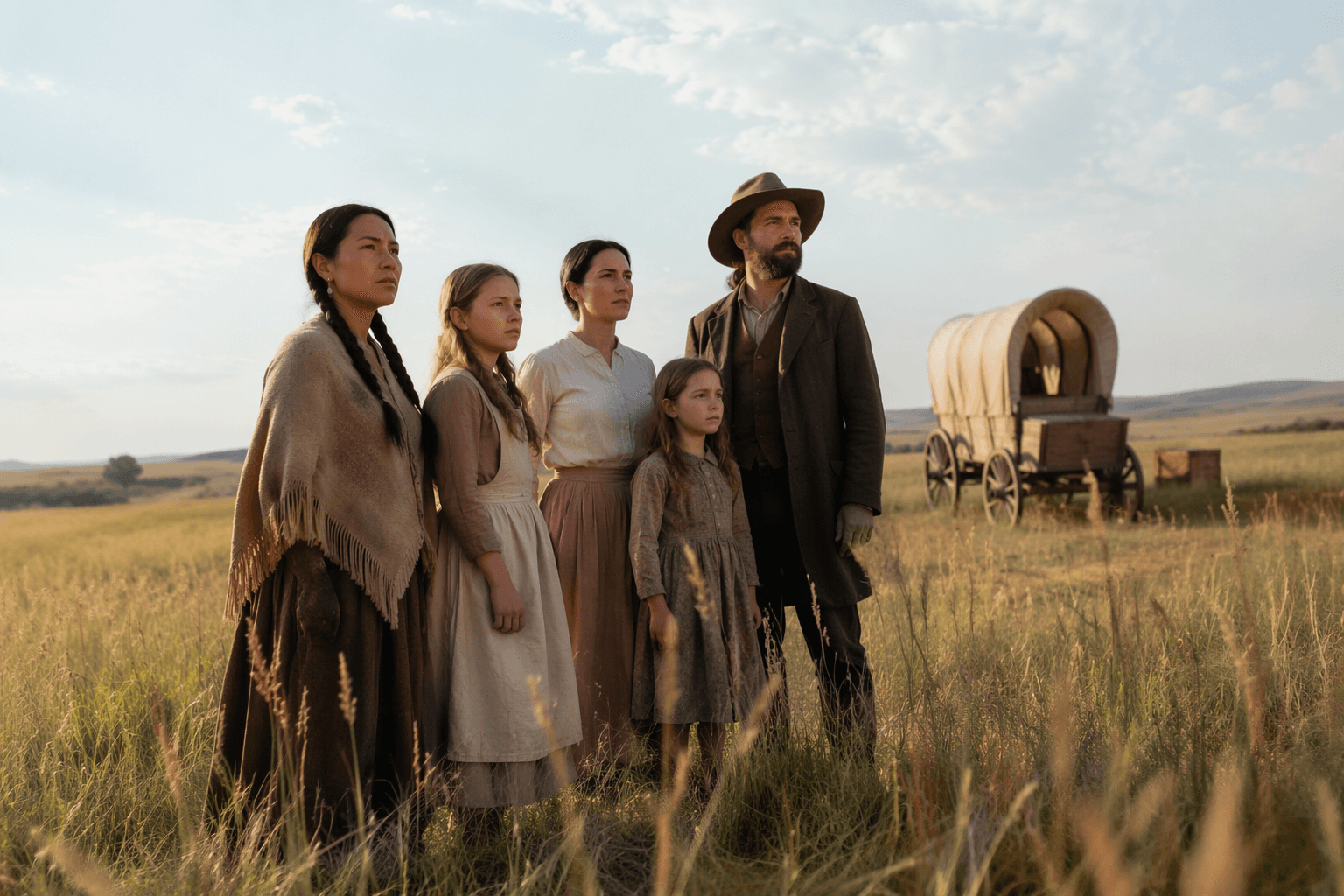
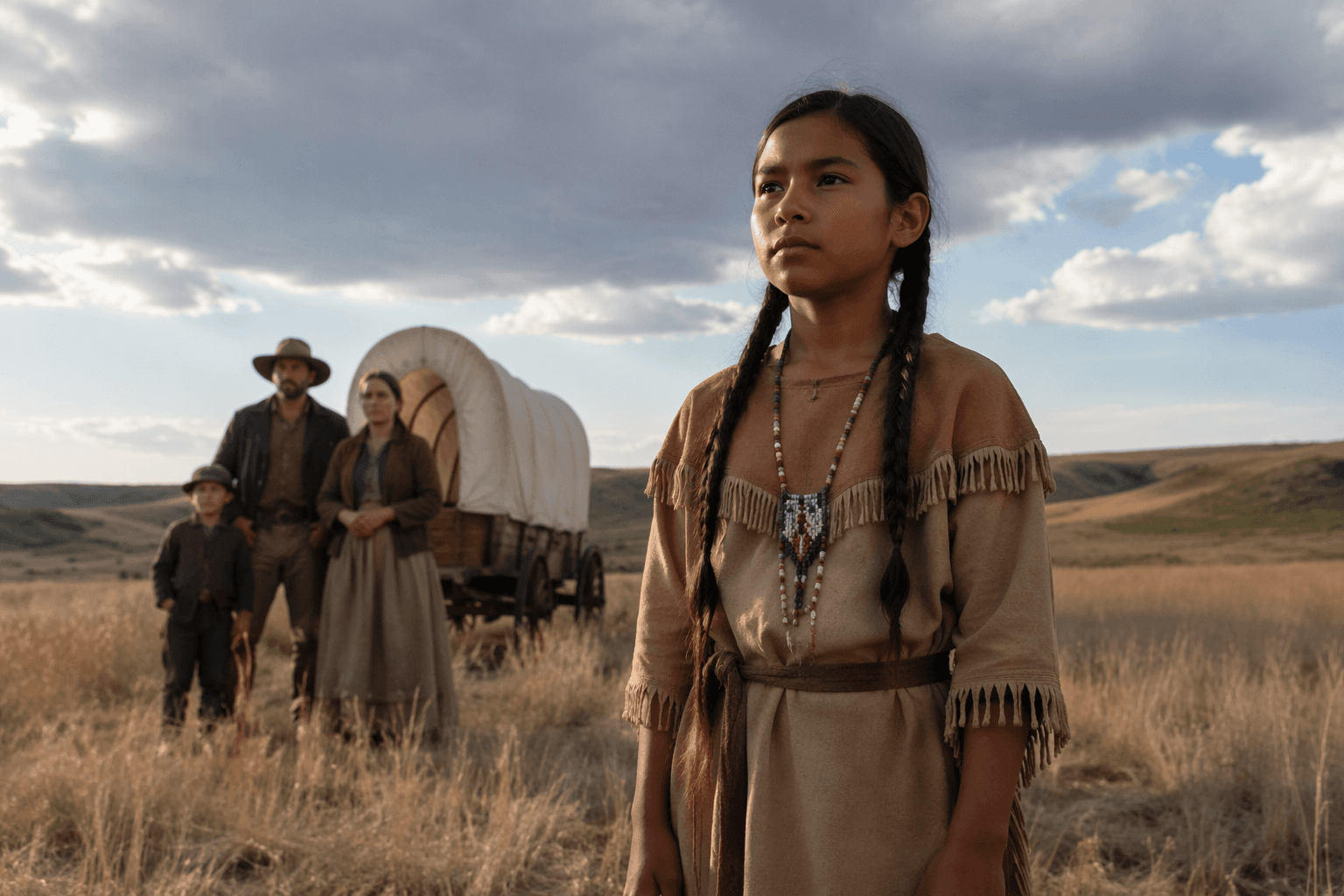
Netflix will bring Little House on the Prairie back to screens on July 9, 2026, with a new series that has already been renewed for a second season before its first episode airs. The adaptation returns to Laura Ingalls Wilder’s frontier books, but it also revises the frame of the story, pairing the Ingalls family’s move from Wisconsin to Kansas with a broader account of the prairie’s Indigenous history.
The first season is built on Little House on the Prairie, the third book in Wilder’s series, first published in 1935. It follows Charles and Caroline Ingalls, along with Laura and Mary, as they leave Wisconsin and try to make a life outside Independence, Kansas, where fever, wolves and fire shape daily survival. Alice Halsey plays Laura Ingalls, Luke Bracey plays Charles Ingalls, Crosby Fitzgerald plays Caroline Ingalls and Skywalker Hughes plays Mary Ingalls.
That move matters because the Little House books became one of the most durable mythmaking engines in American popular culture. Published between 1932 and 1943, the series sold more than 73 million copies in more than 100 countries and has been translated into at least 27 languages. The earlier NBC television version, which ran from 1974 to 1982, helped turn the books into a long-running touchstone of family television, self-reliance and prairie nostalgia.

The new adaptation keeps that familiar family center, but it softens the old version of the frontier by refusing to treat the land as empty. Netflix says the series includes Osage characters and examines the impact of westward expansion on Indigenous communities. That shift reaches directly into the historical reality of the Ingalls settlement, which sat on the Osage Diminished Reserve from 1869 to 1870, and into the criticism that has long followed Wilder’s books for their demeaning portrayals of Native Americans.
Rebecca Sonnenshine, the showrunner and executive producer, has described the series as a family drama, a survival tale and an origin story of the American West. Osage cultural adviser Julie O’Keefe pushed the same point more bluntly: "If you’re going to tell the story, then you need to tell both sides." In this version, the old promise of reinvention remains, but it is paired with a clearer account of whose land made that reinvention possible.
This article was produced by Prism’s automated news system from verified source data, official records, and press releases, then run through automated quality and moderation checks before publishing. The system is built and supervised by the people who set the standards it runs under. Read our full AI policy.
Did this article answer your question?