John Harbaugh leaves Ravens for Giants in major coaching move
John Harbaugh finalized a multi-year deal to coach the New York Giants. The move ends his 18-year run in Baltimore and begins a significant franchise transition.
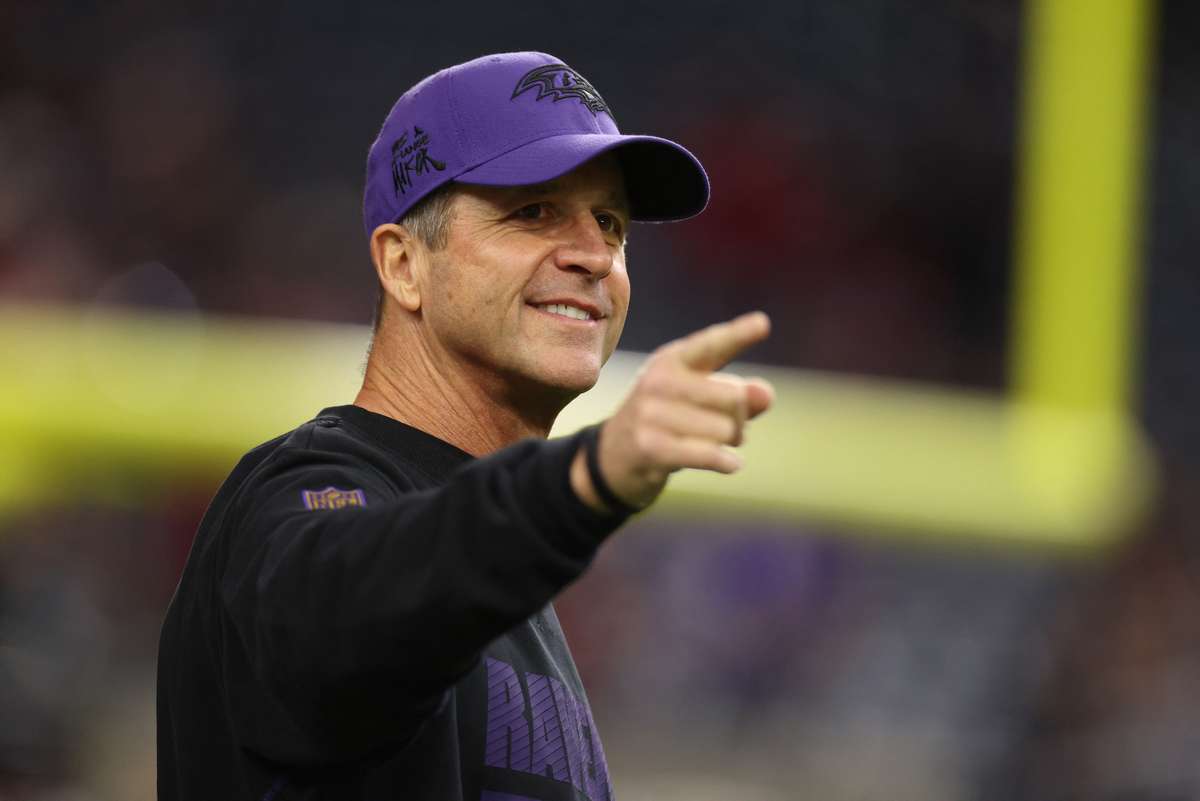
John Harbaugh finalized a multi-year deal to become the head coach of the New York Giants, ending an 18-season tenure that included a Super Bowl title and made him a defining figure in Baltimore football. The hire, officialized by the Giants in public statements within the Jan. 16–18 window, follows Harbaugh’s dismissal by the Ravens earlier this month and represents one of the largest coaching contracts in the league.
For Baltimore, the announcement closes a long chapter. Harbaugh’s 18 years at the helm shaped the Ravens’ identity through consistent playoff appearances and a Super Bowl run, and his departure leaves the franchise confronting both strategic and economic questions. Team leadership now enters a transition period that will affect coaching staff continuity, player development plans and the messaging the organization presents to season-ticket holders and local sponsors.
The size and multi-year term of Harbaugh’s new contract matters beyond headlines. High-profile coaching contracts reset expectations across the NFL labor market and can increase competition for top candidates, driving up compensation and forcing teams to reassess budgets for coaching and support staff. Locally, that upward pressure on coaching pay can translate into tougher decisions for ownership about where to allocate resources between coaching, player contracts and community programs that rely on team partnerships.
Baltimore’s sports economy will feel the change in measurable and intangible ways. Game-day revenues at M&T Bank Stadium, merchandise demand tied to coaching brand, and sponsorship activations are sensitive to perceptions of team stability. While immediate financial swings are unlikely before training camp, local businesses that rely on Ravens traffic will watch how the franchise communicates its next steps. The emotional and civic impact is also significant: Harbaugh’s departure severs a long-running connection between the team and its fan base, often known as Ravens Nation, and shifts the local conversation from legacy to renewal.
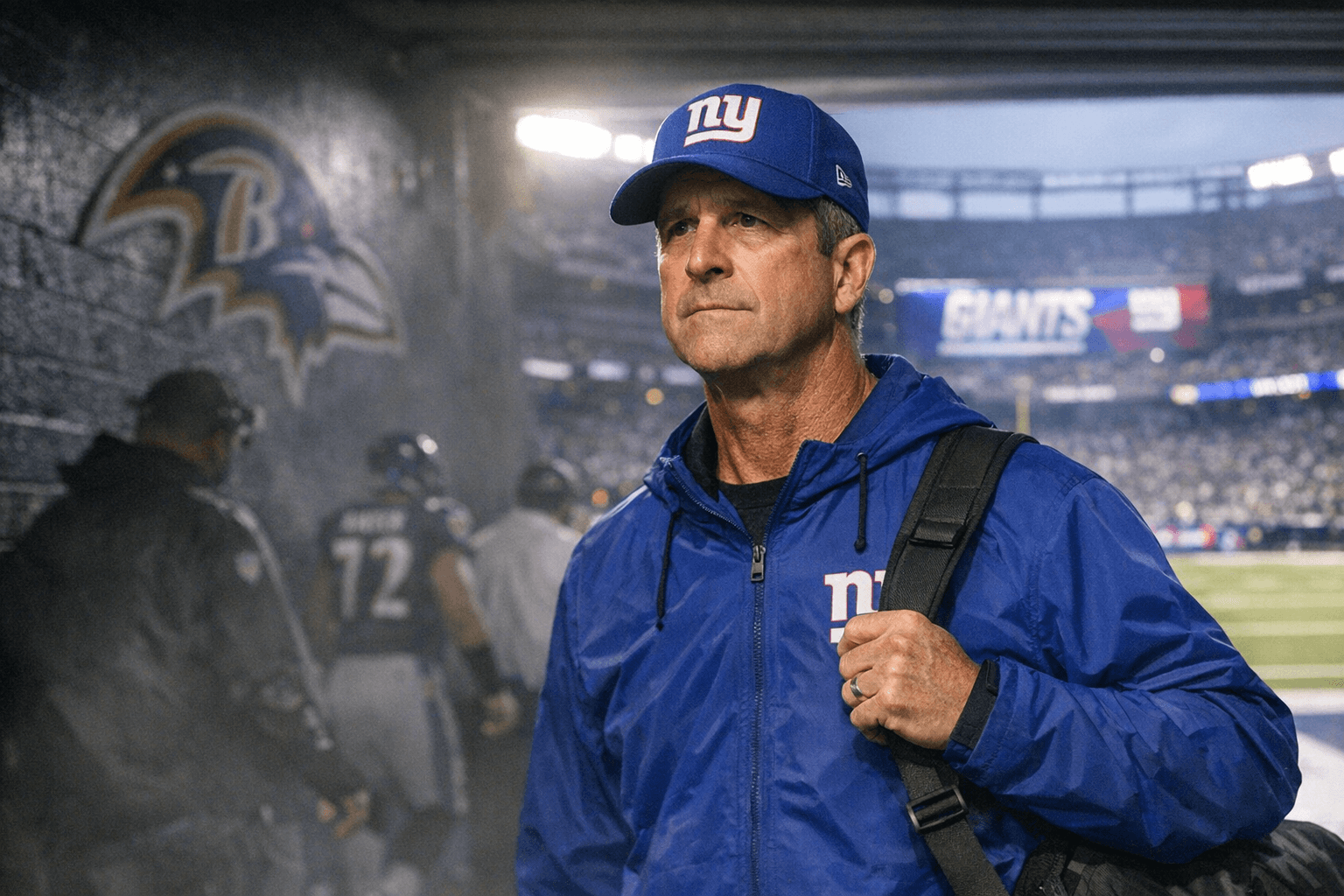
Operationally, the Ravens organization must now accelerate its search for a successor and clarify interim coaching roles, staff retention plans and offseason priorities. Those choices will shape roster decisions and the team’s competitiveness in the short run, and will influence Baltimore’s broader sports calendar and community engagement through 2026.
For Baltimore residents, the practical implications are clear: expect a period of organizational change at the Ravens, potential shifts in team marketing and local sponsorships, and a continued spotlight on how ownership rebuilds trust with fans. The next few weeks will reveal whether the franchise leans into a rapid reset or a steadier, long-term rebuild.
Sources:
Know something we missed? Have a correction or additional information?
Submit a Tip