Johns Hopkins USFHP Adds Free Cabana Live Mindfulness Tools for Military Families
Johns Hopkins USFHP added Cabana Live to member benefits, offering free guided meditations and peer-support for military families. It gives immediate, no-cost mindfulness tools to complement clinical care.
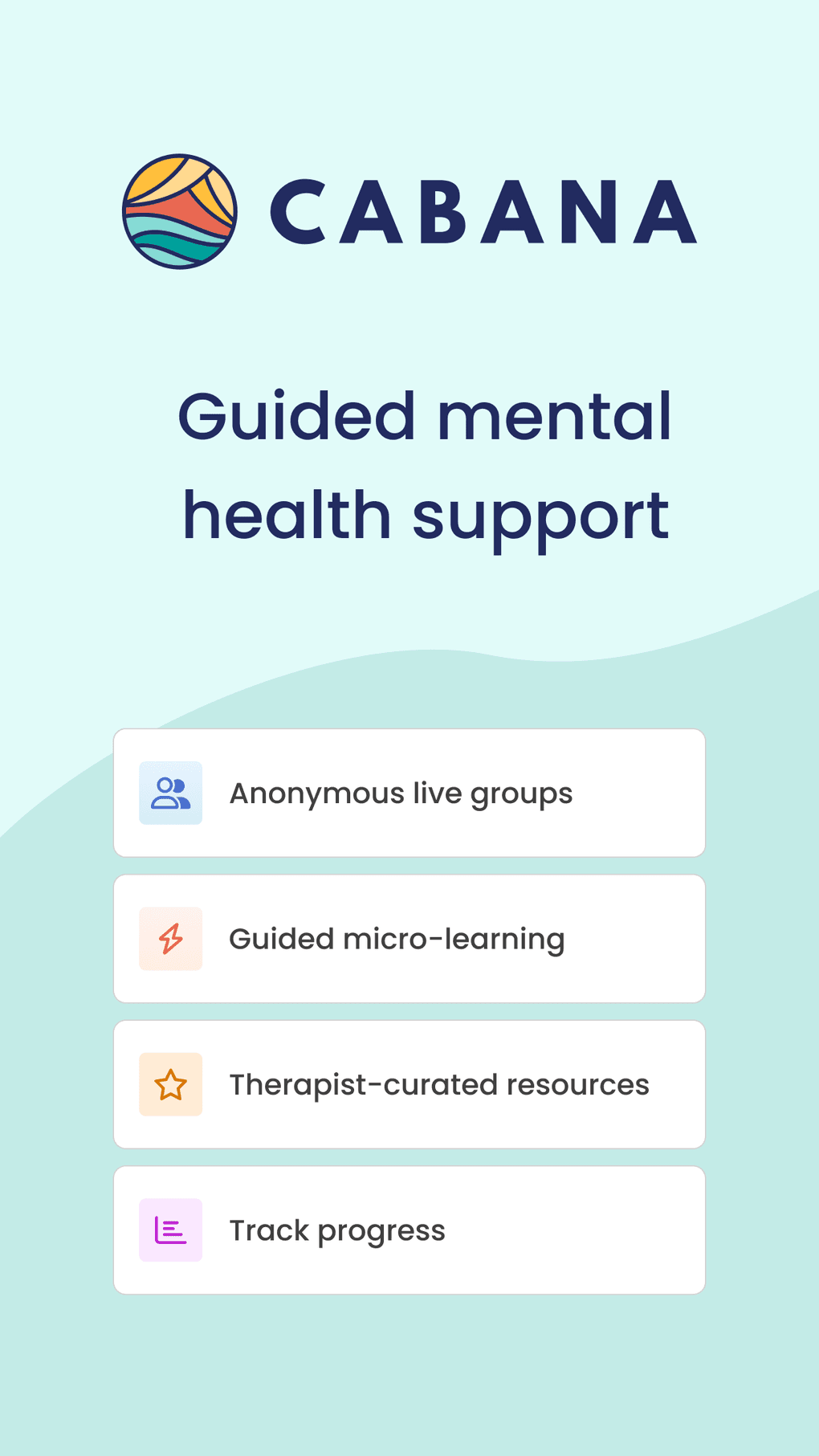
Johns Hopkins US Family Health Plan (USFHP) announced on January 15, 2026 that it had added Cabana Live to its member benefits, granting military families and retirees access to a no-cost mental health and peer-support platform. The service provides confidential peer support groups and a suite of self-care tools designed for quick, practical use—guided meditations, short exercises for stress management, focus training, relationship skills, and transition support.
The addition is significant because it puts on-demand mindfulness and brief meditation practices directly into the hands of an identifiable member population through an insurer-provider plan. Members can use these resources without appointments or out-of-pocket costs, making micro-practices and peer connection available at moments of need rather than waiting for formal clinical sessions. For active-duty families, veterans, and retirees navigating relocations, deployments, and life transitions, that immediacy matters.
Cabana Live’s offerings emphasize brief, actionable practices that fit military life rhythms: short meditations for grounding between shifts, focused attention drills to sharpen concentration, and relationship-skill modules aimed at partners and families managing stress and reintegration. Confidential peer-support groups create a low-barrier space for shared experience, which is a core value in military communities where trust and peer validation often shape help-seeking behavior.
This step by USFHP reflects a broader move in military health plans to integrate digital behavioral health tools as complements to clinical care. Guided meditation and brief mindfulness techniques are presented as accessible, immediate self-care resources that can be used alongside therapy, counseling, or medical treatment rather than replacing them. For clinicians and care coordinators, the platform can serve as an adjunct to treatment plans; for families it acts as a practical toolbox for day-to-day stressors.

Practically, members will find value in having a single, benefit-backed option for on-demand support. The platform reduces barriers like appointment wait times, copays, and transportation—factors that frequently deter timely care in dispersed military populations. It also normalizes short-form mindfulness practices as part of routine self-care, encouraging use during handoffs, long drives, work breaks, or after difficult conversations.
For the mindfulness community within military families, this is a nudge toward mainstreaming brief meditation and peer-based support into official benefits. Expect increased uptake where convenience and confidentiality align with military life. Watch for follow-up from USFHP on engagement metrics and any expansions to program content; for now, members have a new, no-cost option to add quick, evidence-informed mindfulness tools to their daily routines.
Sources:
Know something we missed? Have a correction or additional information?
Submit a Tip