Johnson, Jeffries to launch House task force on misconduct claims
Johnson and Jeffries are poised to test whether a new bipartisan task force can fix a complaint system that still routes accusers through multiple opaque offices.
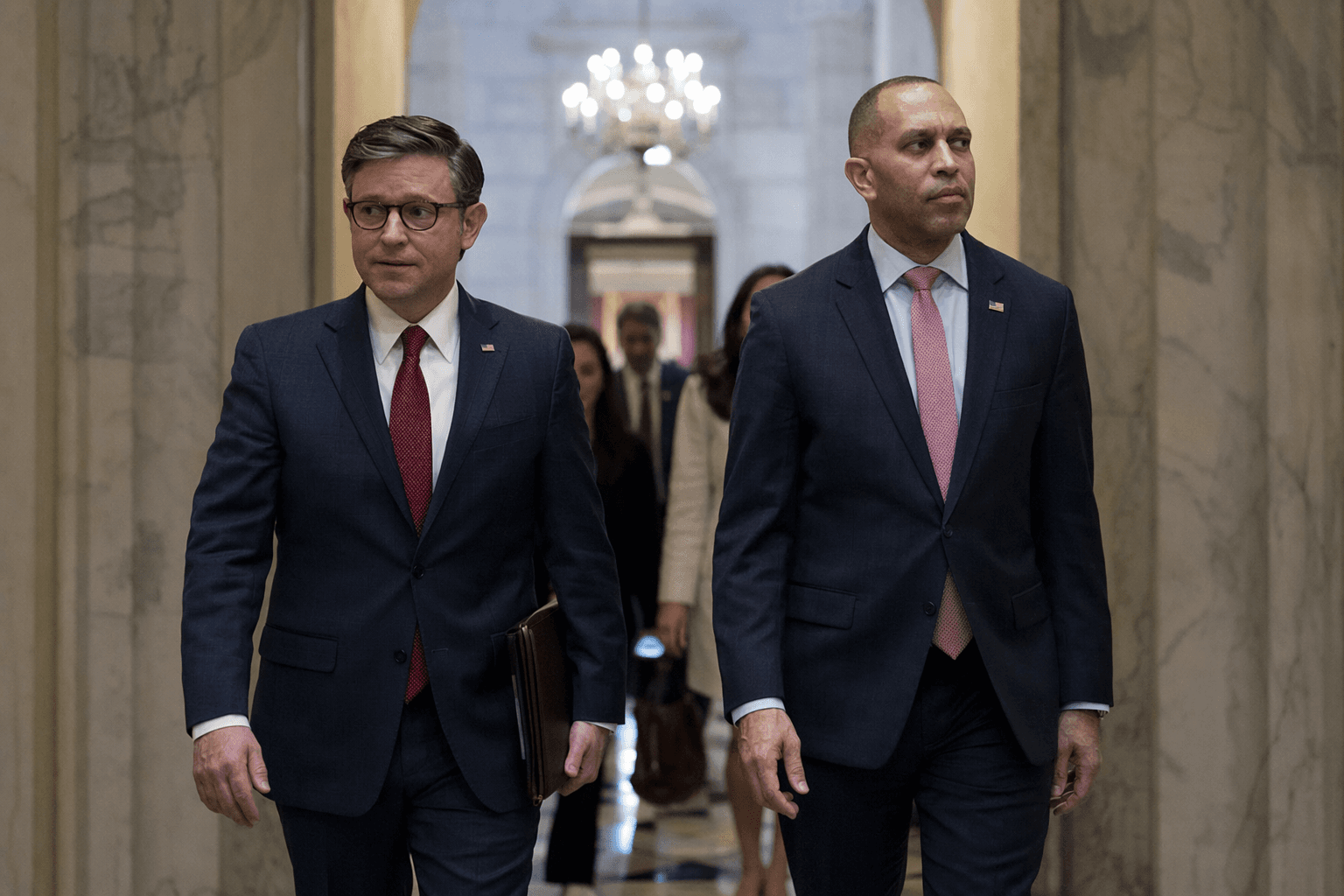
The real question is whether a bipartisan task force from Speaker Mike Johnson and Minority Leader Hakeem Jeffries would change a House misconduct system long criticized as confusing and intimidating, or simply add another layer to it. House complaints involving sexual misconduct already move through a patchwork of offices, with the House Committee on Ethics, the Office of Congressional Workplace Rights and the Office of Employee Advocacy all serving as entry points for victims, witnesses or staffers seeking action.
The Ethics Committee said on April 20 that it had opened 20 investigations into allegations of sexual misconduct by a member since 2017. In the same statement, the panel urged victims and witnesses to report complaints through the committee, OCWR or OEA, and said it had not been notified of any awards or settlements tied to allegations of sexual harassment by a member since Congress overhauled the process in 2018. Civil sexual-harassment claims can also go through OCWR’s administrative dispute-resolution process, a mandatory, multi-step route under the Congressional Accountability Act of 1995 Reform Act.
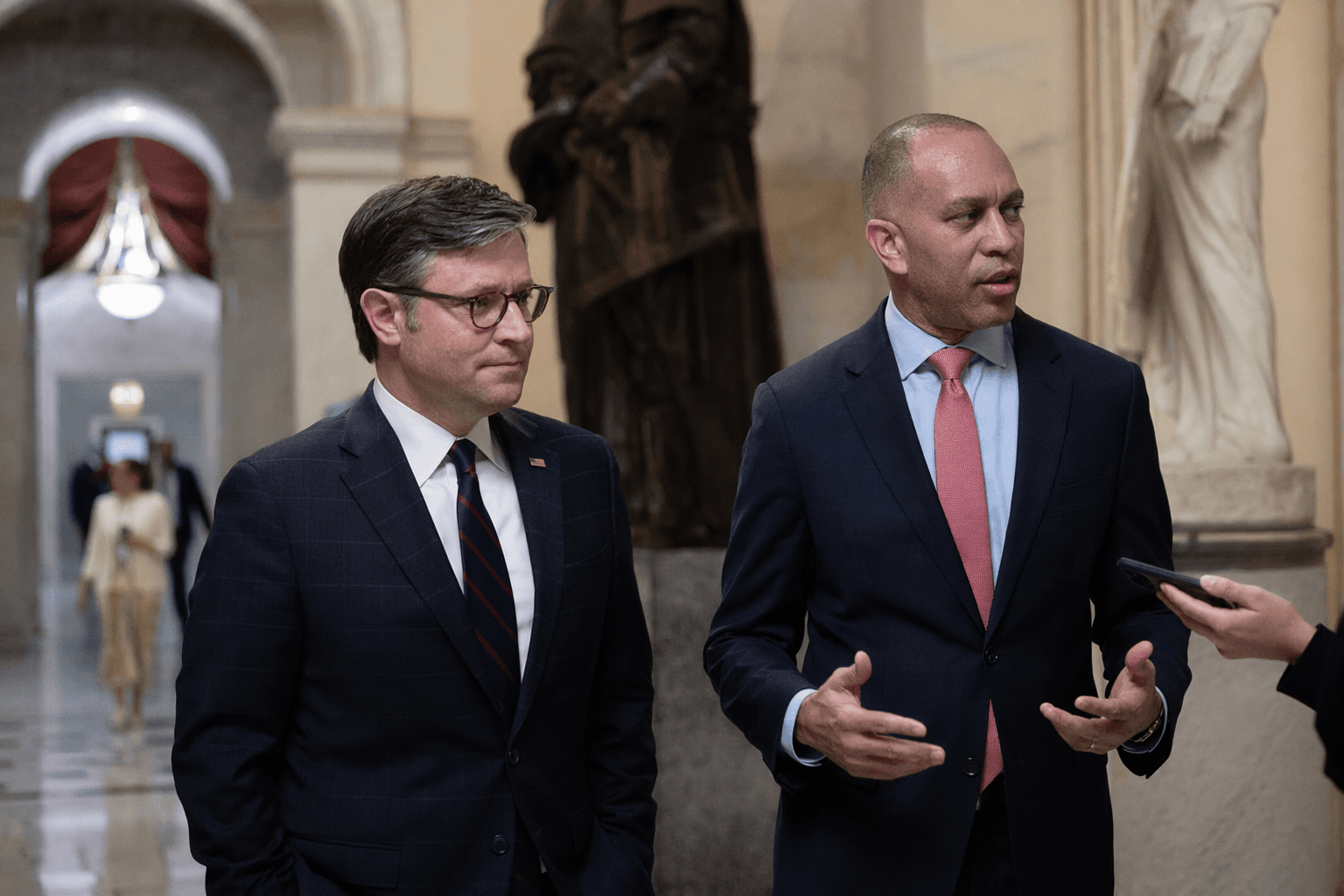
That framework is central to the accountability question now confronting House leaders. The 2018 reform law was meant to improve protections for legislative-branch workers, including harassment claims, yet the fact that complaints can still be routed through several offices underscores how fractured the system remains. For accusers, the chokepoints are obvious: the need to choose the right office, navigate administrative steps and trust institutions that operate largely behind closed doors.
The pressure on House leaders has intensified in recent months. In April, House Democratic leaders Katherine Clark and Pete Aguilar called for a swift investigation into allegations against Rep. Eric Swalwell and urged him to end his campaign for California governor. Separate allegations also helped push Rep. Tony Gonzales out of office. Meanwhile, the chamber rejected Rep. Nancy Mace’s effort in March to force public release of Ethics Committee records tied to sexual misconduct investigations in a 357-65-1 vote, then sent the matter back to the ethics panel.
That history suggests the Johnson-Jeffries task force could matter only if it does more than signal concern. If it examines reporting pathways, public disclosure rules and the independence of the investigatory process, it could address the opacity that has long protected powerful people and discouraged complaints. If it stops at another bipartisan review, it will leave the same hidden architecture in place.
This article was produced by Prism’s automated news system from verified source data, official records, and press releases, then run through automated quality and moderation checks before publishing. The system is built and supervised by the people who set the standards it runs under. Read our full AI policy.
Did this article answer your question?


%3Amax_bytes(150000)%3Astrip_icc()%2FTrumpandBitcoin2-58606bf51eda48bdaef9a9853f2541ad.png&w=1920&q=75)