Vance unveils anti-fraud push as 2028 speculation grows
Vance is putting fraud enforcement at the center of a new White House campaign that would tighten benefit checks, pre-payment controls and federal oversight.
Vice President JD Vance used a new anti-fraud push to show how the White House wants to change not just rhetoric, but federal enforcement. The administration has already created a Department of Justice division for national fraud enforcement, then moved in March to establish a Task Force to Eliminate Fraud with Vance as chair.
The task force is designed to coordinate a national strategy against fraud, waste and abuse in federal benefit programs, including housing, food, medical care and cash assistance. White House materials say the effort is also meant to improve eligibility verification, strengthen pre-payment controls and detect high-risk fraud trends before money goes out the door.
That structure gives the administration more direct oversight over programs that touch millions of people and carry major budget implications. The White House said the Justice Department division, announced on January 8, would oversee multi-district and multi-agency fraud investigations and help set national enforcement priorities. The task force, created by executive order on March 16, was framed as the policy arm of that broader crackdown, with a mandate to report frequently to President Donald Trump.
The administration has also linked the effort to Minnesota fraud investigations, suggesting the anti-fraud campaign is meant to be both a national message and a specific enforcement operation. Critics outside the White House have already started calling Vance a so-called fraud czar, warning that a crackdown pitched as clean-government reform could be seen as partisan or overreaching if it expands too aggressively.
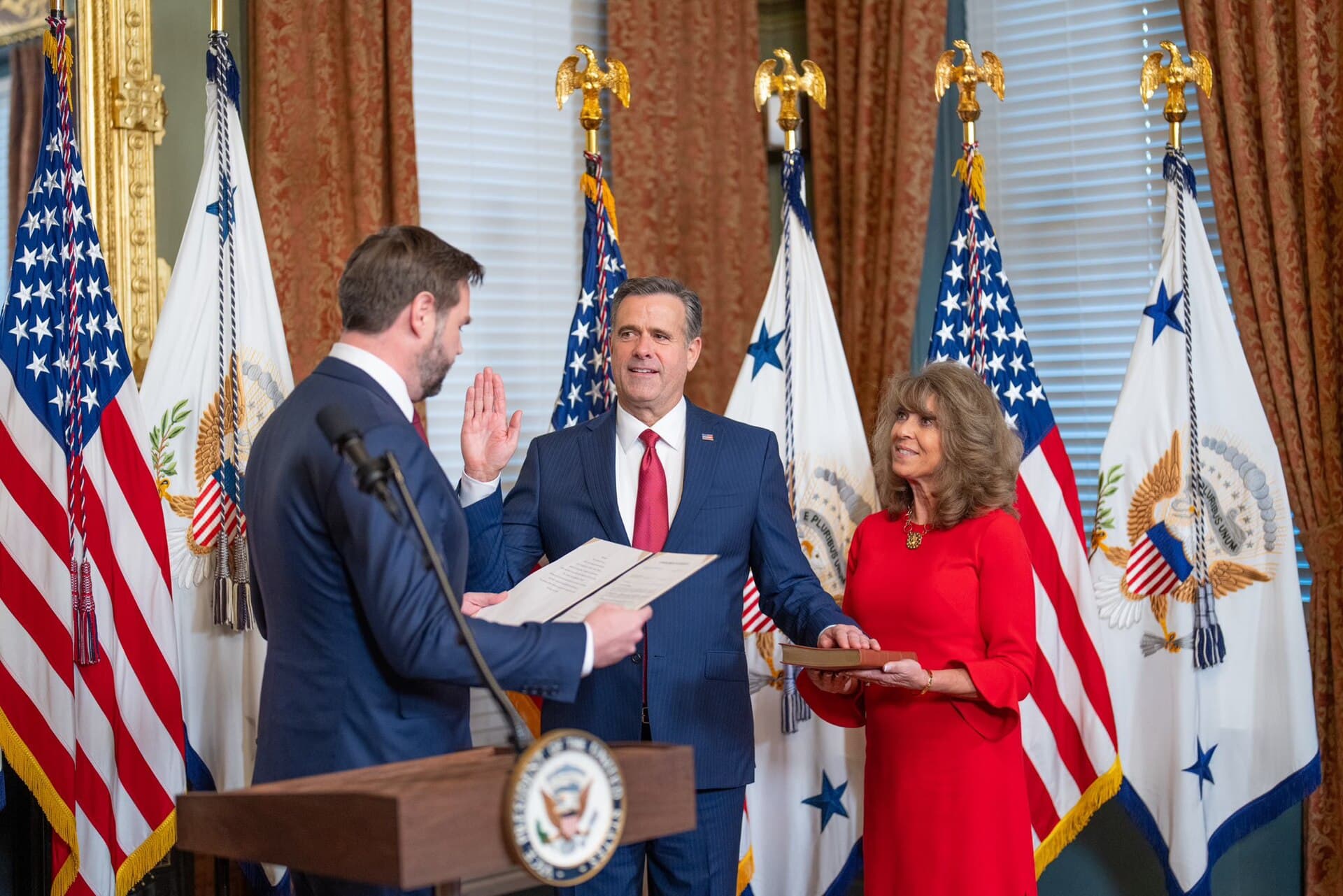
For Vance, the event carried another layer. He is widely viewed as a possible Republican contender in 2028, and Trump has privately asked advisers, “JD or Marco?” in a reference to Vance and Secretary of State Marco Rubio. The competition has been sharpened by the war in Iran, where Rubio has taken a more hawkish line and Vance has sounded more restrained and skeptical of prolonged military intervention.
That split matters because the Iran conflict has become a political liability for the administration. Trump’s approval rating fell to 36% in a four-day poll completed the week before March 29, its lowest point since he returned to office, as disapproval of the Iran war and higher fuel prices grew.
Vance’s standing in Iowa underscored how quickly the fraud fight is being folded into 2028 speculation. During a May 5 visit to Des Moines, he was greeted warmly by Republicans, but he also faced questions about whether his future is tied to Trump’s approval and the administration’s economic record. The anti-fraud campaign may tighten federal oversight, but it is also becoming part of the larger contest over who inherits Trump’s political coalition.
This article was produced by Prism’s automated news system from verified source data, official records, and press releases, then run through automated quality and moderation checks before publishing. The system is built and supervised by the people who set the standards it runs under. Read our full AI policy.
Did this article answer your question?

