Johnson & Johnson says Erleada cuts prostate cancer spread, death risk
Erleada’s late-stage data showed stronger tumor clearance at surgery and a 20% lower risk of spread or death, with benefits building over more than five years.

Johnson & Johnson said its prostate cancer drug Erleada improved the odds of clearing disease before surgery and lowered the risk of spread or death in men with aggressive tumors, results that could matter most for patients deciding how hard to press treatment before an operation.
The late-stage study followed patients for more than five years and tested Erleada with hormone-blocking therapy before and after surgery. Johnson & Johnson said men on that regimen were nine times more likely to have little to no detectable cancer in the prostate at the time of surgery than patients who received testosterone-blocking therapy alone. The company also said the combination cut the risk of cancer spread or death by 20%.

The data were presented at the American Society of Clinical Oncology meeting in Chicago, where cancer drug results often face intense scrutiny from doctors, researchers and investors. Johnson & Johnson said the findings were likely to influence how physicians treat men with high-risk localized or locally advanced prostate cancer, a group for whom surgery and radiation remain the standard options today.
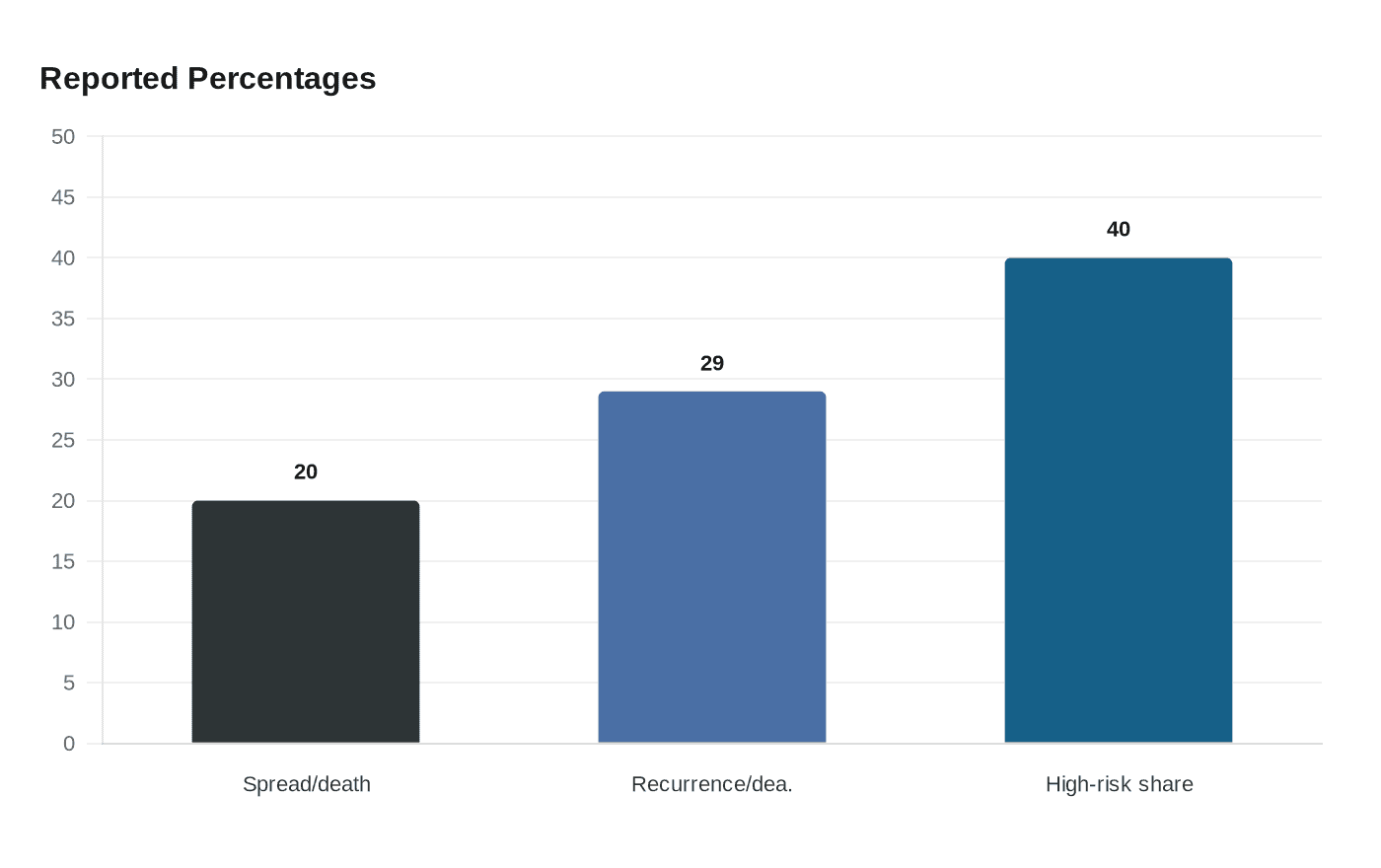
The scale of the disease makes that claim important. Johnson & Johnson estimated that about 40% of the roughly 330,000 people diagnosed with prostate cancer in the United States are considered high-risk. For those patients, even a modest improvement in long-term outcomes can affect a large number of men, especially when the choice is not just about shrinking a tumor, but about whether to delay spread and prevent future relapse.
Johnson & Johnson also pointed to a longer-treatment arm in which men received Erleada plus hormone therapy for a full year before and after surgery. In that group, patients went more than six years on average before needing additional treatment, nearly double the time seen in the hormone-therapy-only group. The company said that longer regimen reduced the risk of recurrence and death by 29%.
Taken together, the findings suggest Erleada may move closer to earlier use in the care pathway for some patients with aggressive prostate cancer. But the drug is still far from replacing established surgery and radiation in routine practice, and the most immediate impact may be in helping doctors identify which high-risk men could benefit from adding a stronger drug strategy before the operating room.
This article was produced by Prism’s automated news system from verified source data, official records, and press releases, then run through automated quality and moderation checks before publishing. The system is built and supervised by the people who set the standards it runs under. Read our full AI policy.
Know something we missed? Have a correction or additional information?
Submit a Tip