WHO says five Ebola patients recovered in Congo outbreak
Five Ebola patients recovered in eastern Congo from a rare strain with no approved vaccine, even as the outbreak topped 900 suspected cases and spread into Uganda.
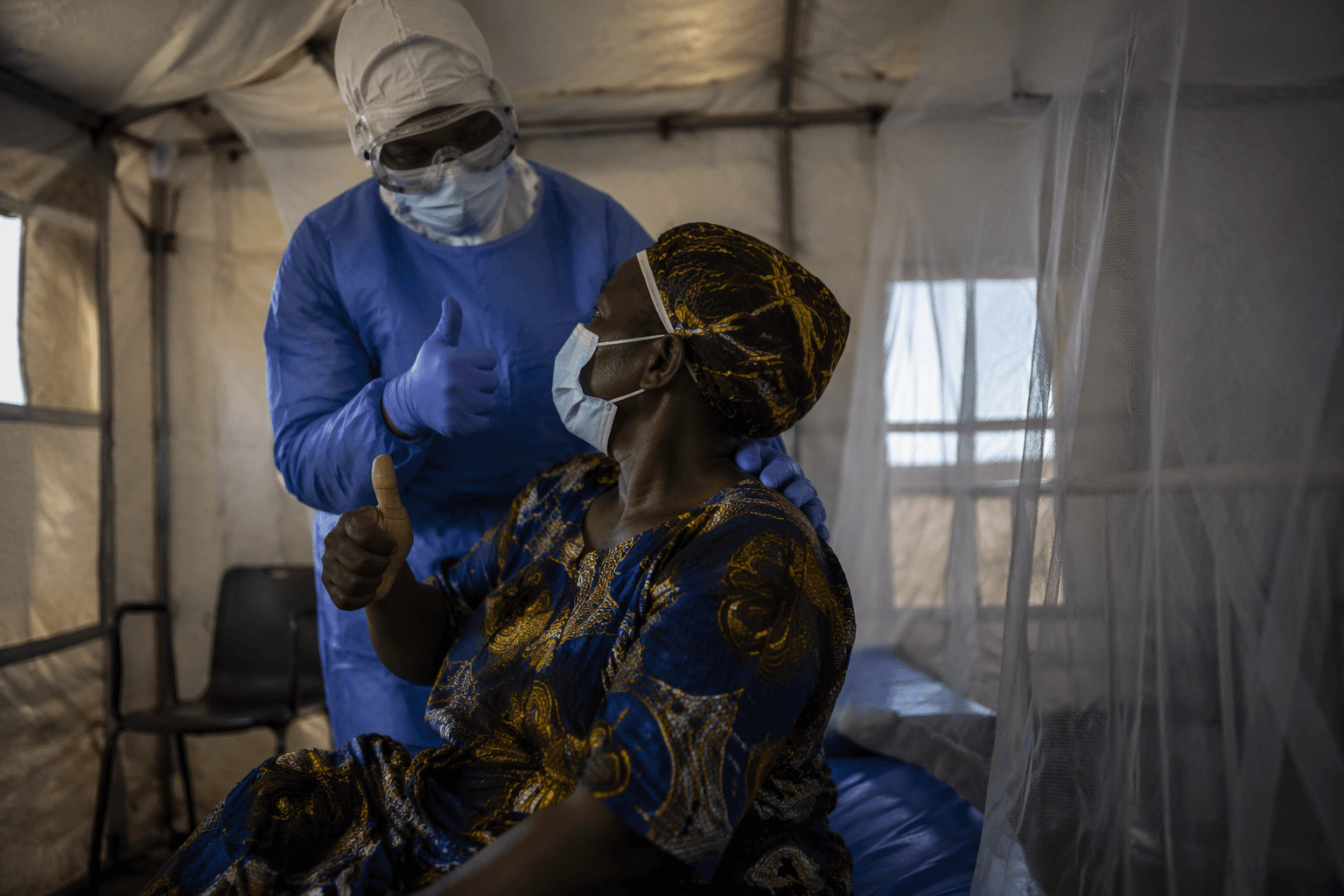
Five patients recovered from a rare Bundibugyo Ebola strain in eastern Congo, a development the World Health Organization said showed that survival is possible even without an approved vaccine or specific treatment. The recovery was announced in Bunia, the provincial capital of Ituri, where WHO opened a new Ebola treatment center as the outbreak continued to strain a fragile response.
WHO Director-General Tedros Adhanom Ghebreyesus said four patients were discharged on May 31, 2026, and one had already left care two days earlier. He said the recoveries showed the importance of seeking treatment early, a message health workers have pushed as the outbreak spread through a remote and densely populated area with heavy population and trade movements.
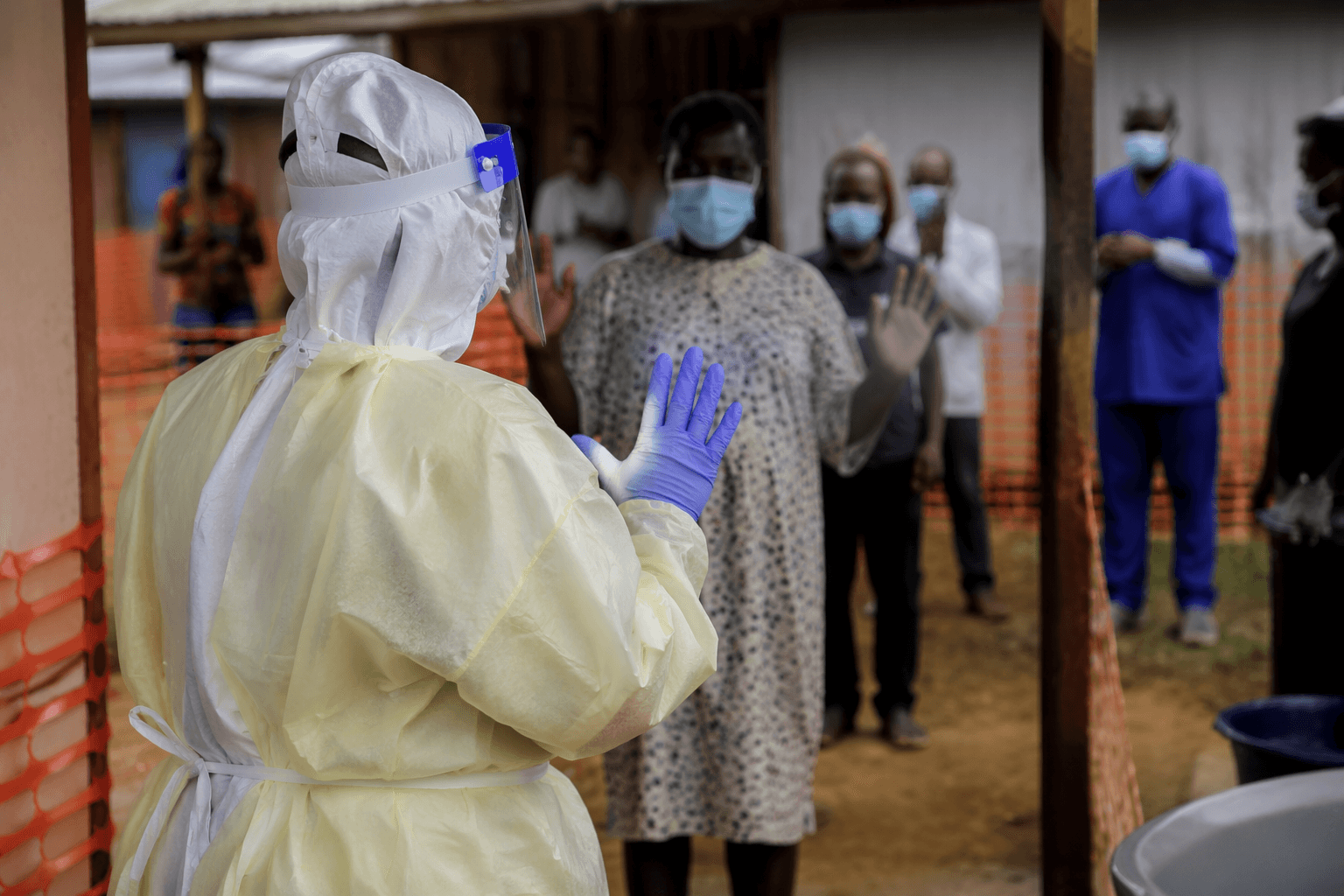
The Bundibugyo strain is the rarer Ebola species driving the current outbreak in the Democratic Republic of the Congo and neighboring Uganda. WHO said the outbreak was confirmed in May 2026 and, as of May 16, there were eight laboratory-confirmed cases, 246 suspected cases and 80 suspected deaths in Ituri Province, including Bunia, Rwampara and Mongbwalu. On May 17, WHO said the outbreak met the criteria for a public health emergency of international concern.
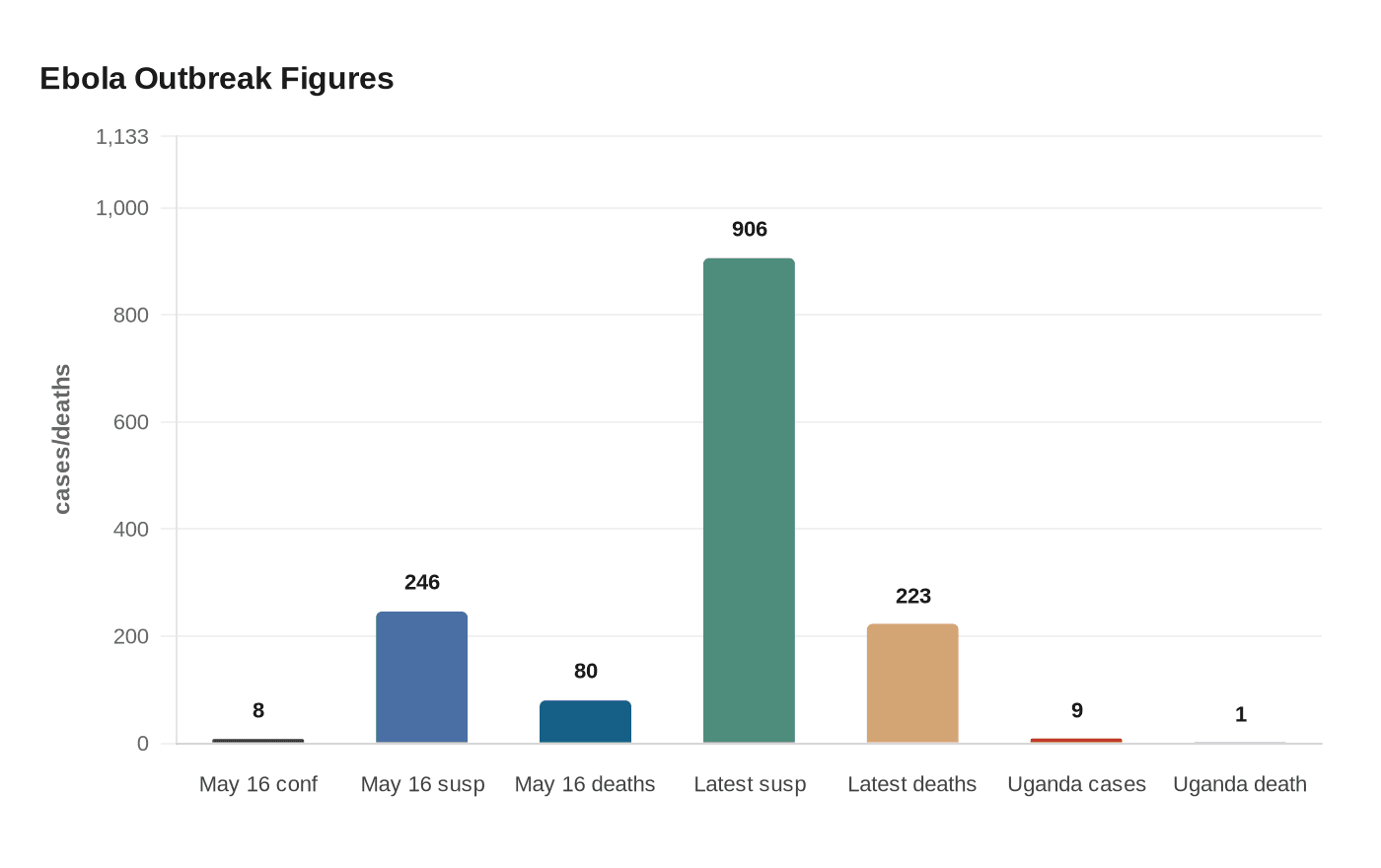
The scale of the outbreak has grown far beyond those early figures. WHO’s latest totals reported 906 suspected cases and 223 suspected deaths, while Uganda had confirmed nine Ebola cases and one death. Officials said the virus had likely been circulating since April 2026 before formal detection in mid-May, underscoring how quickly Ebola can gain ground before surveillance catches up.
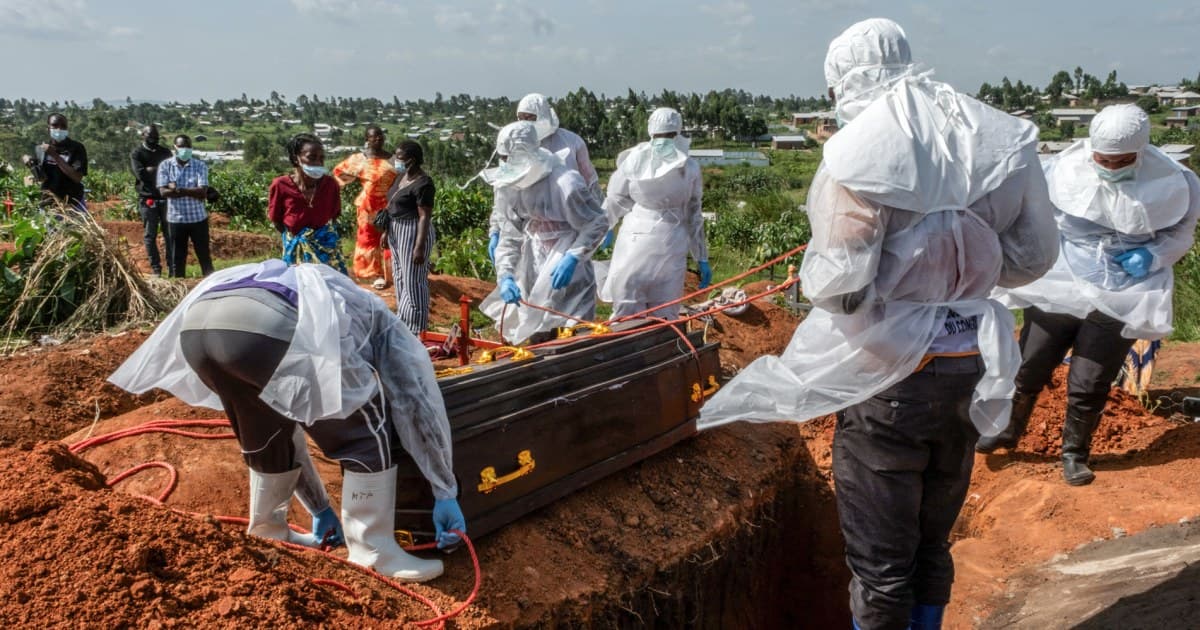
Health agencies have stressed that community engagement is central to containing the spread. That remains difficult in a crisis marked by local resistance, including anger over burial protocols that clash with local rites, and at least three attacks on health centers. Doctors Without Borders said the virus was spreading faster than the response and called for expanded testing, faster deployment of aid workers and sustained access for medical supplies.
The outbreak is the Democratic Republic of the Congo’s 17th since 1976, a reminder that even rare Ebola strains can expose the same weaknesses again and again: delayed detection, weak access to care, insecurity and gaps in vaccine development. The five recoveries offered a rare sign of progress, but they also highlighted how much of the response still depends on catching patients early, before the virus outruns the system built to stop it.
This article was produced by Prism’s automated news system from verified source data, official records, and press releases, then run through automated quality and moderation checks before publishing. The system is built and supervised by the people who set the standards it runs under. Read our full AI policy.
Know something we missed? Have a correction or additional information?
Submit a Tip