Johnson & Johnson wins FDA approval for OTTAVA robotic surgery system
J&J’s OTTAVA won FDA marketing authorization, opening the door to upper-abdomen procedures like gastric bypass in a market led by Intuitive Surgical.
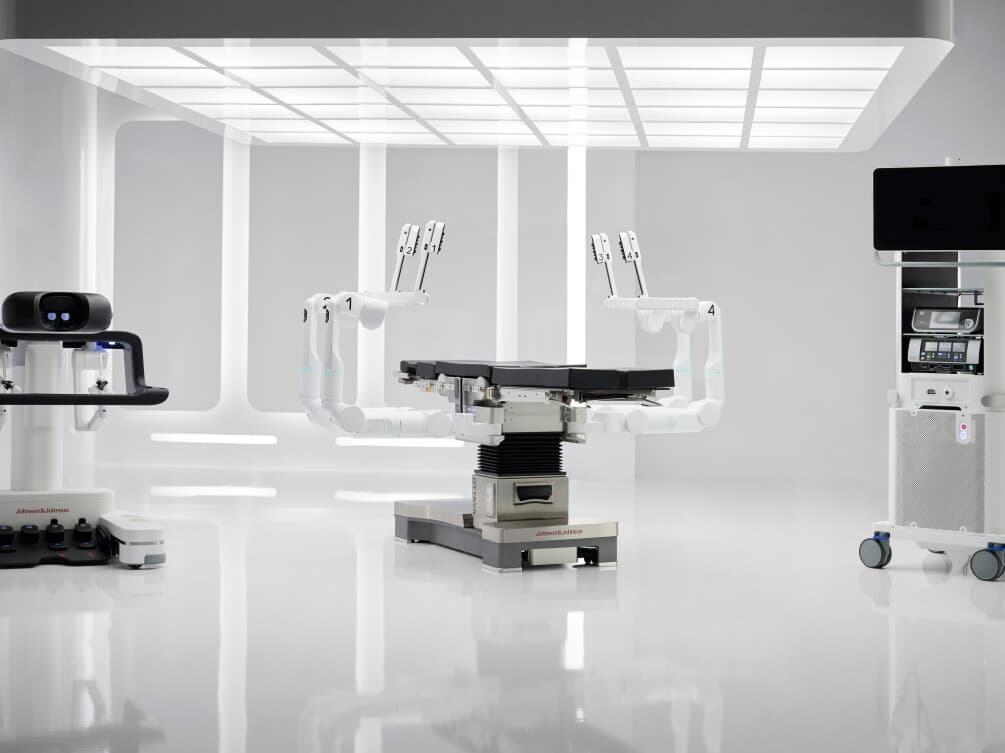
Johnson & Johnson won U.S. Food and Drug Administration marketing authorization for its OTTAVA robotic surgical system on July 22, clearing its entry into a U.S. market long led by Intuitive Surgical. The De Novo authorization gives J&J a foothold in a segment where hospitals are still spending heavily on robotic platforms and where surgeons are under pressure to deliver more precise, less invasive procedures.
The authorization matters most for patients and hospitals that already use or want access to robotic surgery in general abdominal procedures. Related reporting said OTTAVA was cleared for multiple operations in the upper abdomen, including gastric bypass, which puts it directly into a clinical lane with large volumes and high reimbursement stakes. J&J has described the device as the world’s first table-integrated soft tissue robotic system, and the company says the platform is intended to be more adaptive and connected.
For hospitals, the pace of adoption will depend on more than the FDA stamp. They will need capital budgets for the hardware, trained surgeons and operating room teams, and enough case volume to justify the investment. That means the first purchases will likely come from large health systems and academic centers that already have robotic programs or are looking to expand into bariatric and other upper-abdomen procedures.
J&J’s path to approval moved quickly by medtech standards. The company submitted a De Novo request to the FDA in January 2026 and announced pivotal clinical study results for OTTAVA on May 5, 2026. Clinical Trials Arena said the pivotal gastric bypass study was successful, giving J&J a clinical backdrop for the regulatory push.

The competitive stakes are substantial. Grand View Research said the surgical robots market was valued at $6.6 billion in 2025 and is projected to reach $18.5 billion by 2033. MedTech Dive has said Intuitive Surgical remains the long-time dominant player, while Medical Device Network reported in February 2025 that Medtronic’s Hugo was emerging as a U.S. challenge. J&J’s entry adds another major name to a field that has been defined by one incumbent for years.
That matters because robotic surgery is not just a one-time equipment sale. It can lock in recurring revenue from instruments, software, service contracts and disposable components, making the platform valuable even after the initial installation. J&J’s move could sharpen price competition if hospitals gain more than one credible option, but it could also deepen the technology arms race as vendors try to win share by offering ever more integrated systems.
For Johnson & Johnson, the authorization opens the door to a larger surgical business beyond traditional medtech lines. For hospitals, it adds another platform to evaluate at a time when robotic surgery is becoming a core part of the operating room rather than a niche add-on.
This article was produced by Prism’s automated news system from verified source data, official records, and press releases, then run through automated quality and moderation checks before publishing. The system is built and supervised by the people who set the standards it runs under. Read our full AI policy.
Did this article answer your question?