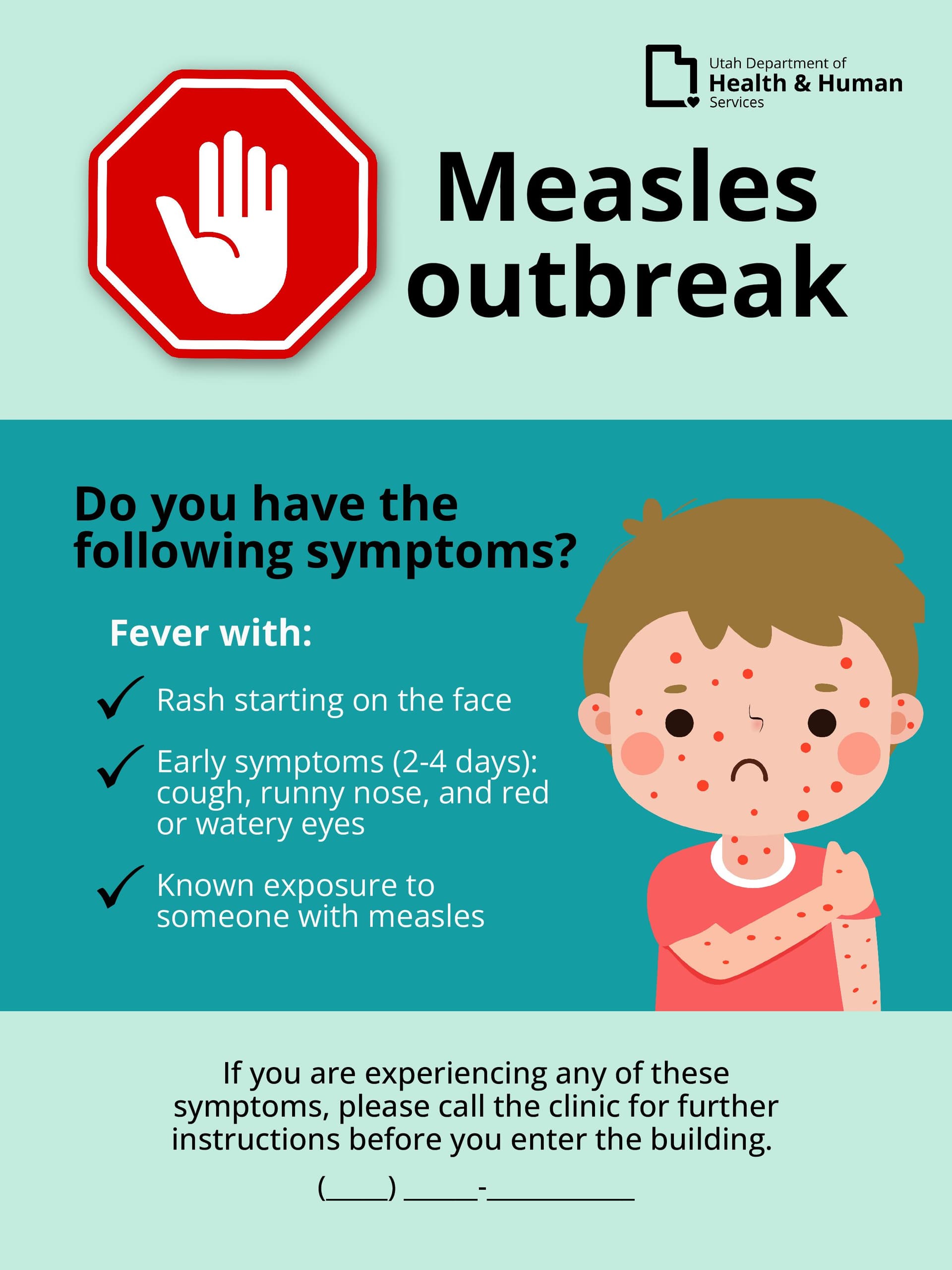
Measles outbreak slows, but newborn family still cannot visit
Utah’s cases eased, but 6-week-old Kasey still could not safely meet relatives while U.S. measles cases topped 4,361 across 48 states and jurisdictions.
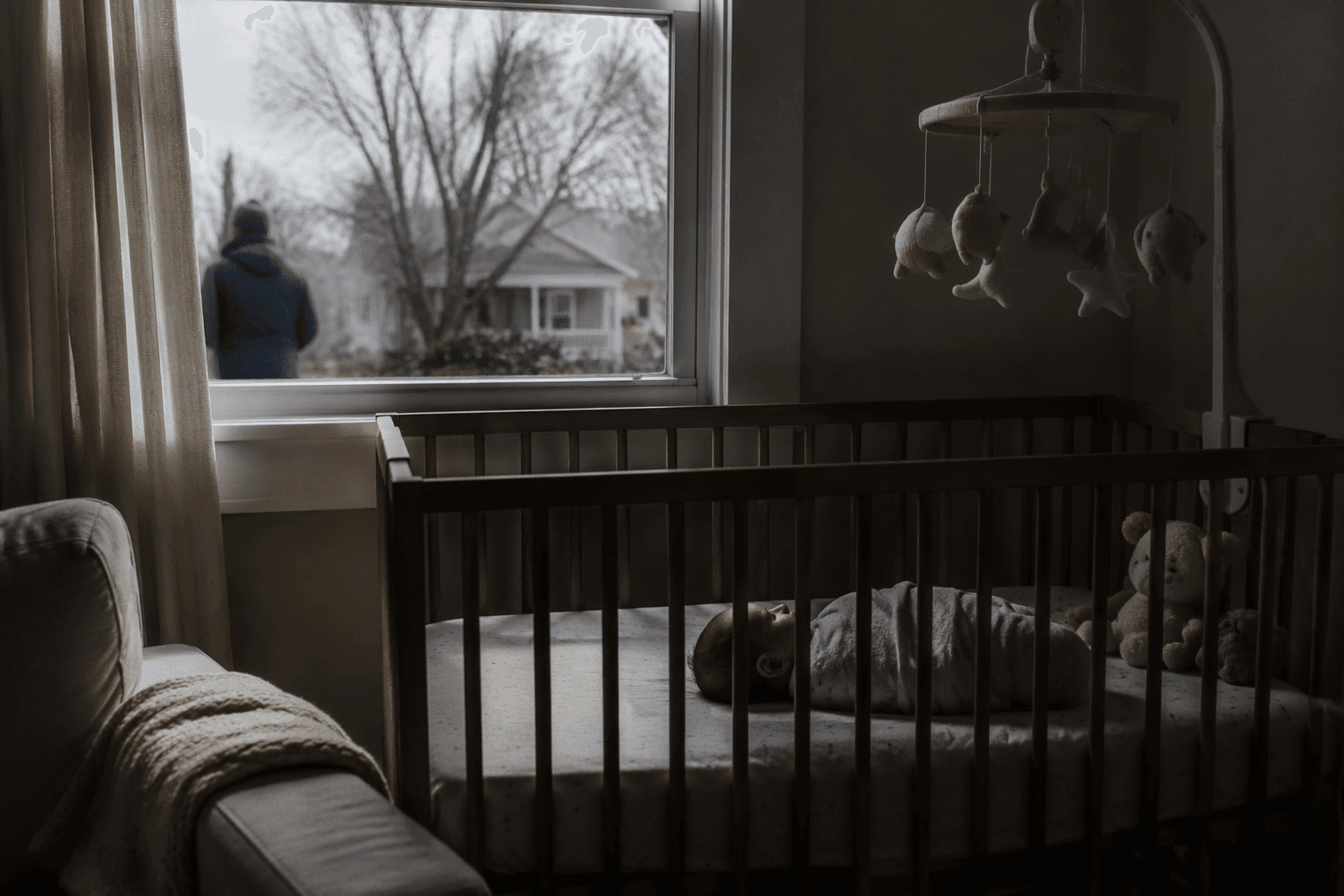
Kasey was almost 6 weeks old when her parents, Liam Hammons and Abby Laskey, were still keeping relatives away because she was too young to be vaccinated. Utah’s weekly measles count had fallen, but the broader danger had not: from Jan. 1 through June 11, 2026, the United States recorded 4,361 confirmed measles cases across 48 states and jurisdictions.
That gap between a slowing local outbreak and a still-high national total is what leaves infants like Kasey exposed. Measles can move quickly through households, clinics and waiting rooms before a baby can get protection, and the Centers for Disease Control and Prevention continues to track cases and outbreaks on its national surveillance pages while telling healthcare providers to stay alert for measles cases.
The risk is not confined to newborns. People who are immunocompromised also depend on community protection because they may not be able to mount a strong response to vaccination, or may not be eligible for some vaccines at all. When cases remain spread across dozens of states and jurisdictions, the virus keeps finding the people least able to absorb it.
Public health officials have seen how long an outbreak can disrupt family life. In Texas, a measles outbreak that began in late January 2025 grew to 762 confirmed cases before Texas health officials later declared it over. The episode showed how a disease that is preventable through vaccination can still force months of isolation, fear and changed routines for families with infants and others who remain vulnerable.
The CDC’s history materials describe measles as a long-known vaccine-preventable disease, but recent CDC and MMWR materials have continued to document U.S. measles activity and outbreaks into 2025 and 2026. That persistence matters for hospitals, pediatricians and parents making everyday decisions about visitors, clinic appointments and whether a newborn can safely be passed from one family member to another.
For Kasey’s family, “slowing” does not mean normal. It means one more week of waiting, one more round of caution, and one more reminder that falling case counts do not instantly erase the risk for the babies who have the least protection.
This article was produced by Prism’s automated news system from verified source data, official records, and press releases, then run through automated quality and moderation checks before publishing. The system is built and supervised by the people who set the standards it runs under. Read our full AI policy.
Did this article answer your question?