Johnson Urges Congress to Protect Black Voting Rights After Selma Violence
One week after Bloody Sunday, Johnson told Congress the fight for Black voting rights was a national crisis, not a Southern one.
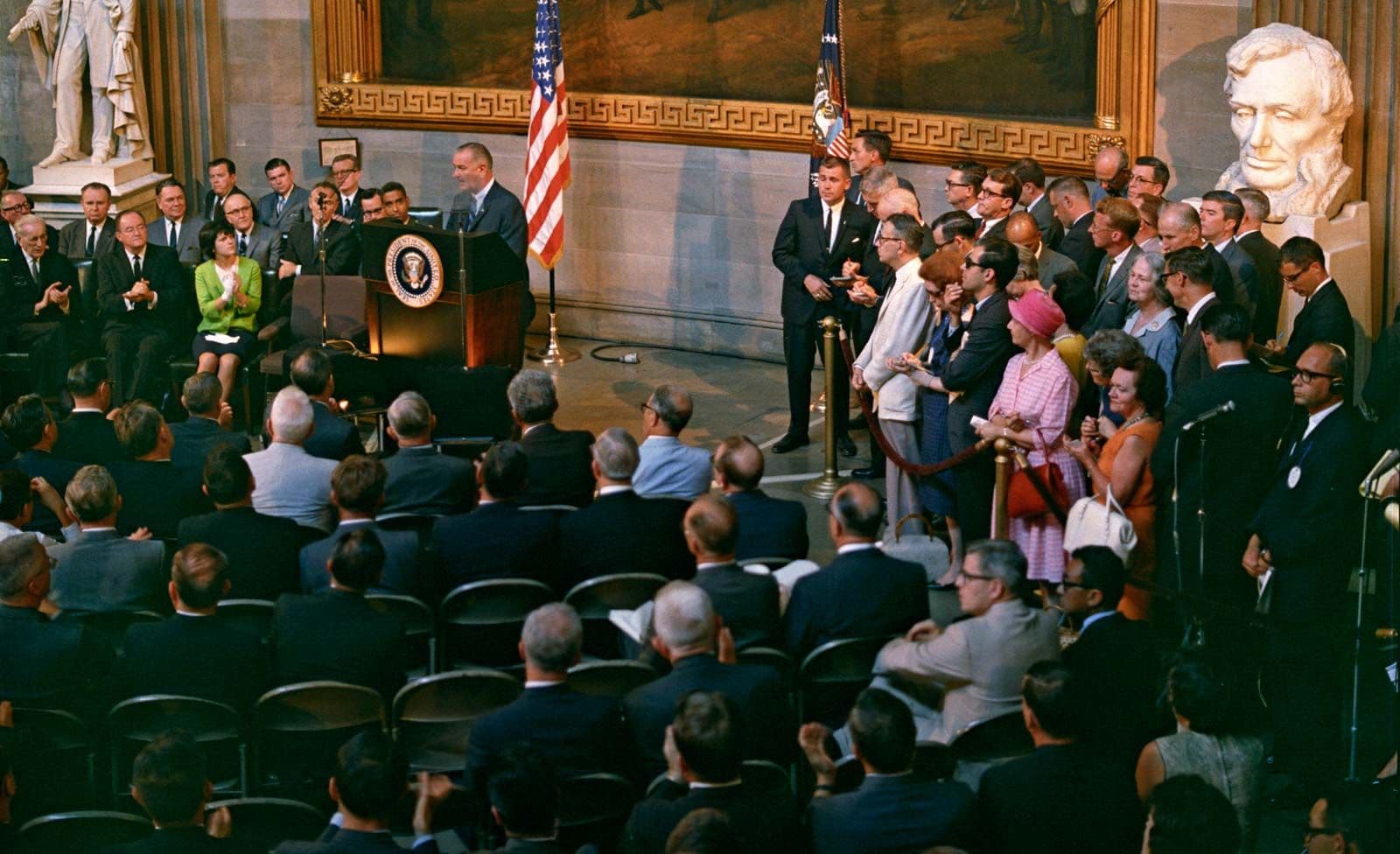
Lyndon B. Johnson went before a joint session of Congress on March 15, 1965, one week after Alabama state troopers beat peaceful marchers on the Edmund Pettus Bridge in Selma. He pressed lawmakers to act on a crisis that had made Dallas County, Alabama, a symbol of exclusion: more than half the county’s population was Black, yet only 156 of its 15,000 voting-eligible Black residents were registered.
Johnson’s address turned Selma into a test of federal power. He urged Congress to pass clear protections so citizens could register and vote free from harassment, casting the struggle not as a regional dispute but as a national American problem. That framing mattered because the violence of March 7 had already shaken public opinion. Bloody Sunday, when peaceful protesters were beaten and assaulted as they tried to march from Selma to Montgomery, pushed voting rights from a local civil-rights campaign to the center of Washington’s agenda.
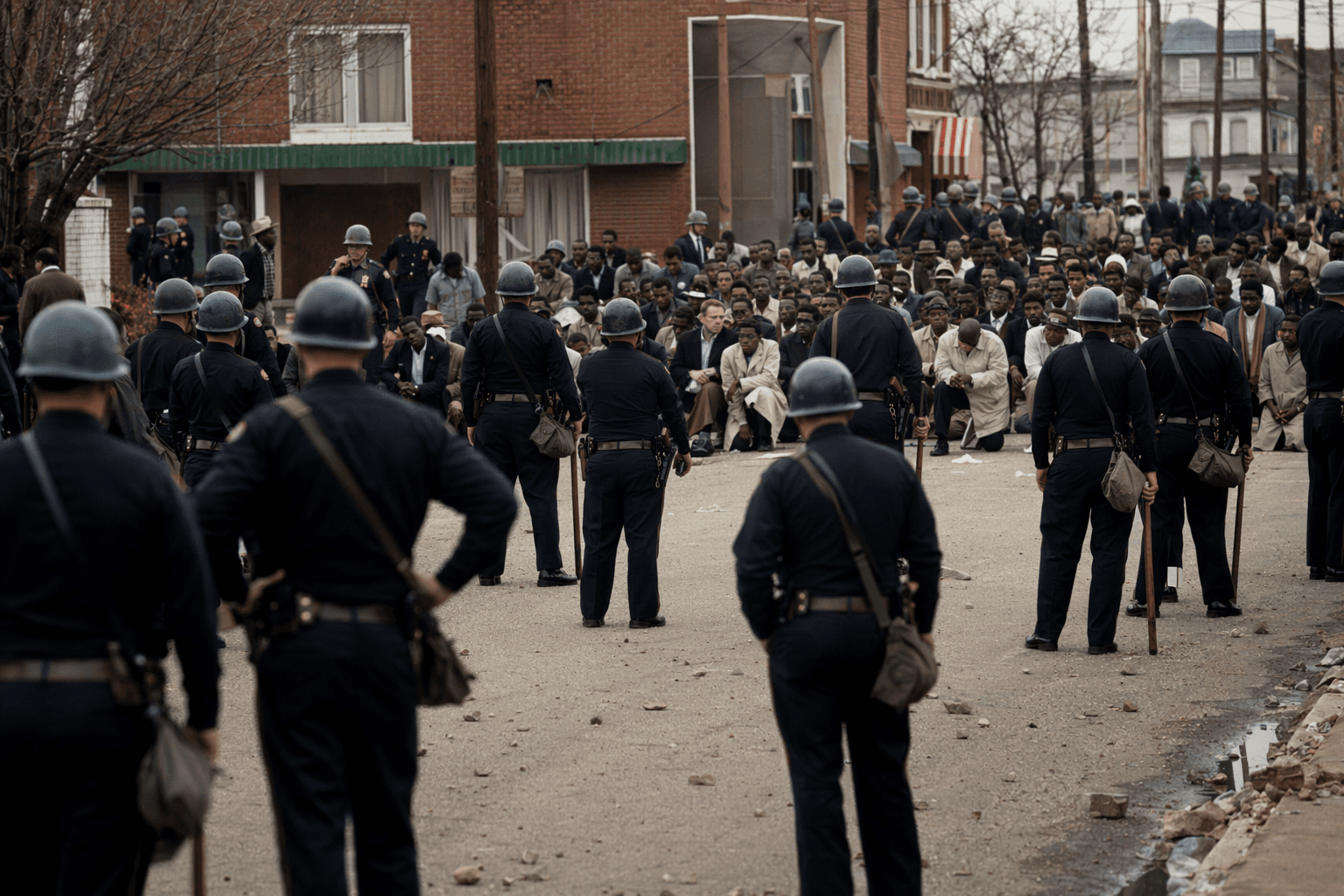
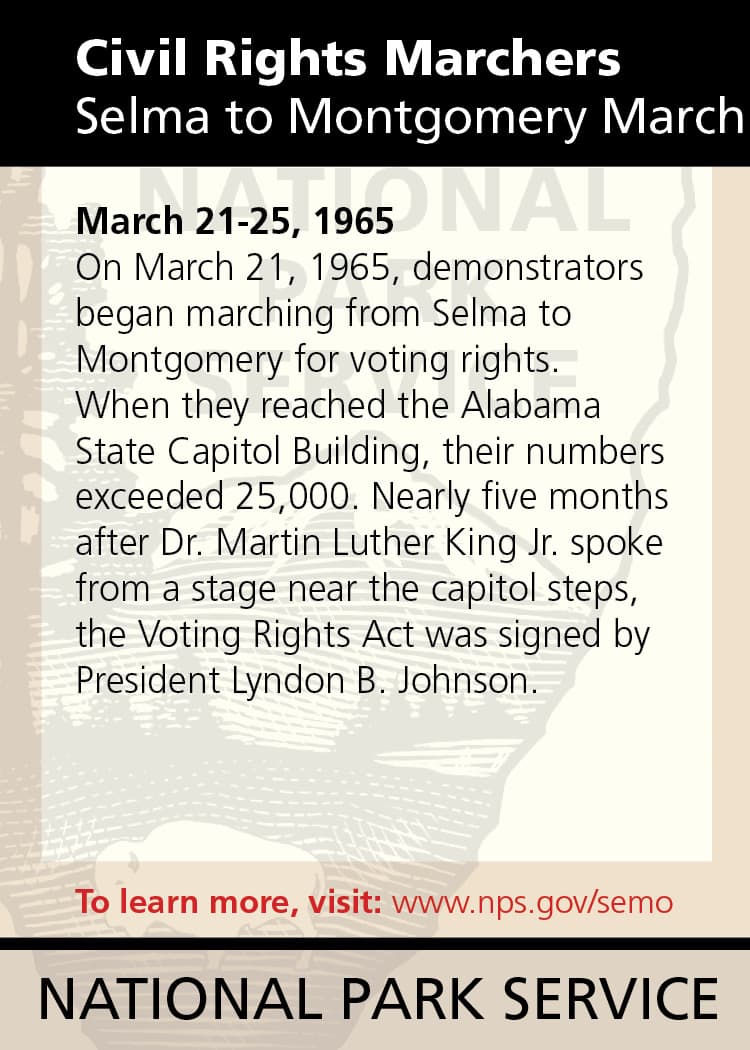
The march did not stop at the bridge. On March 21, under federal protection, about 3,200 demonstrators set out from Selma in a mass march that became a turning point in the civil rights movement. By the time the procession reached Montgomery on March 25, thousands more had joined. The federal government’s presence signaled that the state could no longer control the pace of Black political participation in Alabama.
The policy result came later that year. Congress passed the Voting Rights Act, and Johnson signed it into law on August 6, 1965. The law targeted discriminatory voting practices, including literacy tests, and marked a major expansion of federal enforcement against the barriers that had kept Black citizens off the rolls across the South.
Selma’s lesson was stark: when local rules and intimidation blocked registration, federal intervention became the only effective remedy. Johnson’s appeal to Congress did not just answer the violence of Bloody Sunday; it established a standard that still defines the country’s voting-rights debates. The question he put before lawmakers in 1965 was whether access to the ballot would remain subject to local power or be protected as a national right.
This article was produced by Prism’s automated news system from verified source data, official records, and press releases, then run through automated quality and moderation checks before publishing. The system is built and supervised by the people who set the standards it runs under. Read our full AI policy.
Did this article answer your question?

