Merz warns Germany must reform fast, jeered by union workers
Merz told union delegates Germany had to "pull itself together," but the hall answered with boos as pension and health reforms tested his coalition.
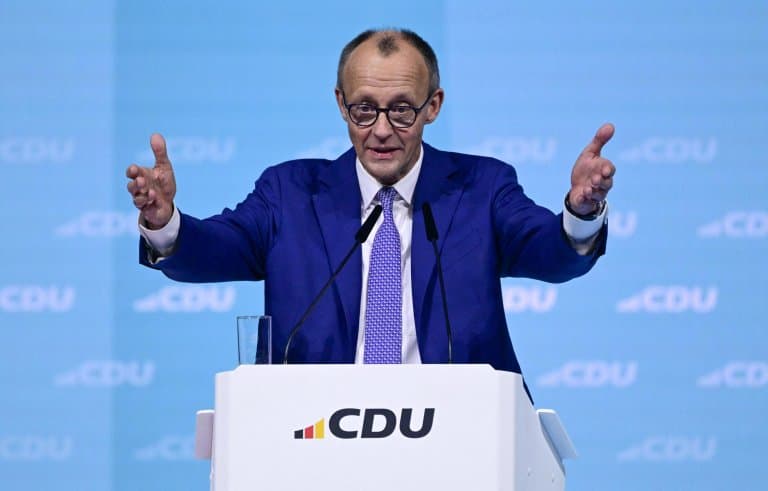
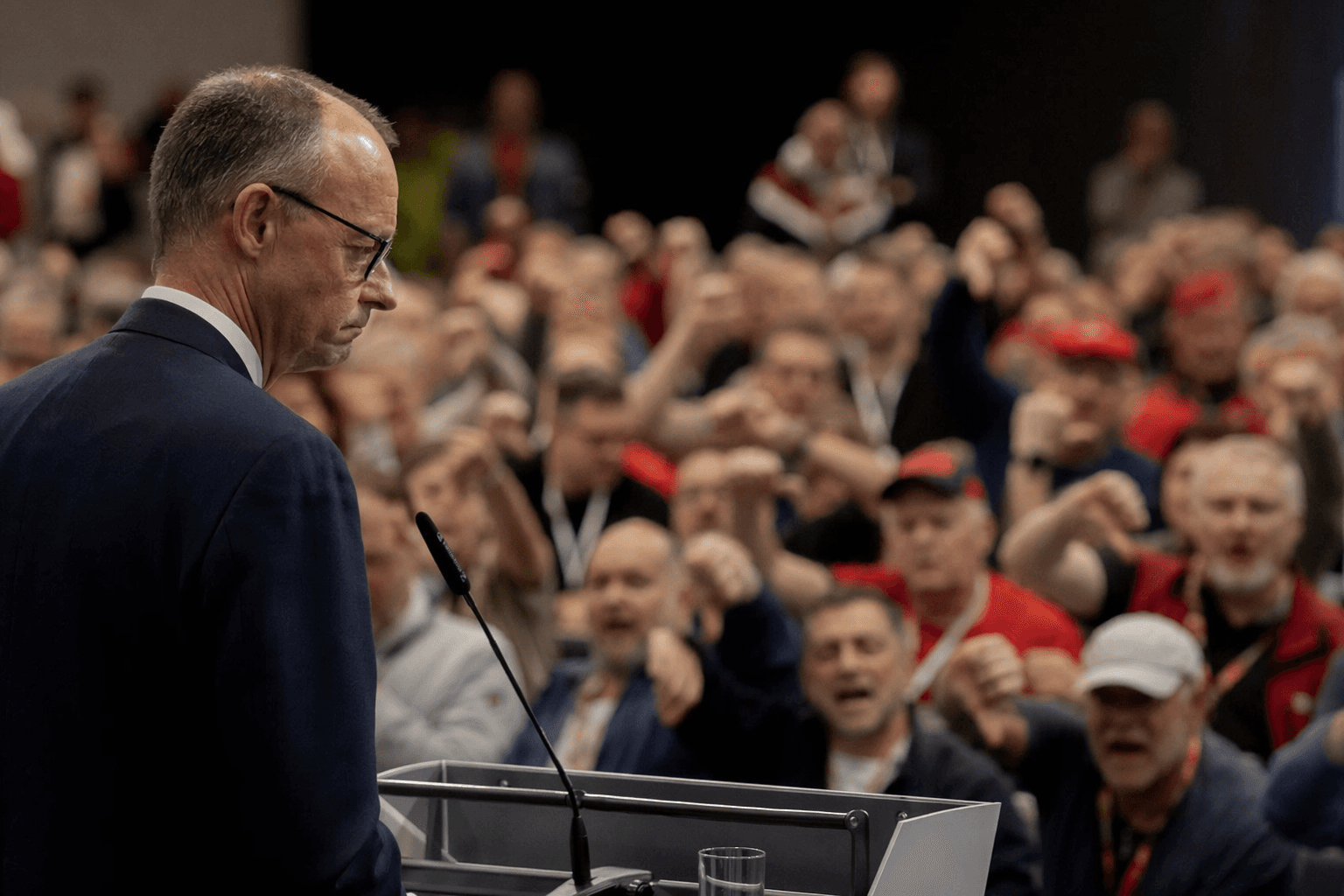
Friedrich Merz walked into the German trade union confederation’s congress in Berlin with a warning and walked out to jeers. Facing about 400 delegates at the 23rd Ordinary Federal Congress of the DGB at Estrel Berlin, the chancellor said Germany had to "pull itself together" or risk being left behind in a fast-changing world, a message that was met with whistles, boos and repeated heckling.
The confrontation captured the central political problem around Merz’s agenda: Germany needs faster reform, but the country’s most organized labor voices are deeply wary of who will pay the price. Merz argued that Germany had modernized too slowly and was now trapped by high costs, bureaucracy and weak growth. He framed the push as necessary not just for companies under pressure, but for workers and future generations as well. His warning about structural problems and the need to confront "demographics and mathematics" landed in a country where pension spending, healthcare costs and an aging workforce are becoming harder to ignore.
The union hall offered a sharp rebuttal. DGB chair Yasmin Fahimi opened the congress by warning against attacks on the welfare state and saying the federation would defend the right to part-time work and the eight-hour day. That set the tone for a gathering that was already primed to resist a reform message tied to pension restraint, healthcare change and labor-market flexibility. Vice Chancellor Lars Klingbeil also faced criticism from delegates at the same event, underscoring how broad the discontent ran across Germany’s governing coalition and its political allies.
Merz’s speech came as his coalition was already divided over the pace of reform needed to revive growth and contain ballooning social spending. Separate political reporting has described rising tension inside his own conservative bloc over pension reform, while disputes over tax, welfare and health policy have added to the strain on the government. Merz had campaigned on restoring momentum to Europe’s largest economy, but after a year in office his standing has weakened and the case for painful change has become harder to sell.
The setting mattered as much as the speech. The DGB congress ran from May 10 to May 13, 2026, and the hostility in the hall showed how difficult it may be for Merz to build consent for a modernization drive that demands sacrifice from workers as well as businesses. In Germany, the fight over reform is no longer just about economic policy. It is about whether political leaders can still persuade the country to accept change before stagnation hardens into decline.
This article was produced by Prism’s automated news system from verified source data, official records, and press releases, then run through automated quality and moderation checks before publishing. The system is built and supervised by the people who set the standards it runs under. Read our full AI policy.
Did this article answer your question?