Jon Krakauer revisits Everest disaster 30 years after Into Thin Air
Three decades after eight climbers died on Everest, Krakauer returns to the disaster that made Into Thin Air a climbing touchstone and a personal burden.
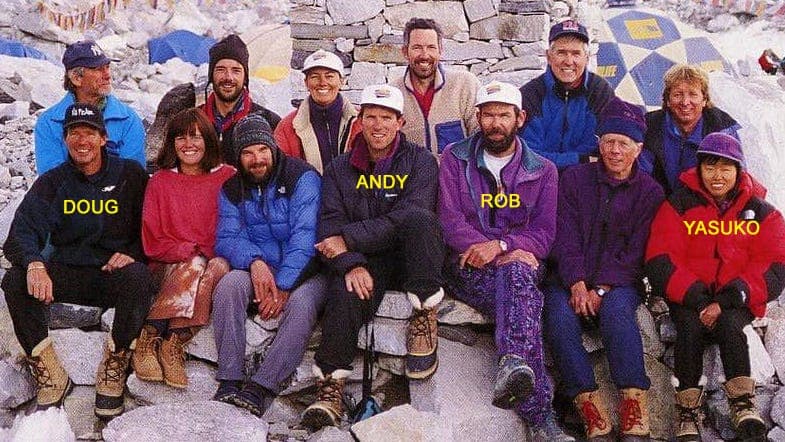
Three decades later, the deadliest day in Everest history still defines how the mountain is talked about, sold and survived. On May 10-11, 1996, eight climbers died during a summit push on Mount Everest, then the highest single-day death toll ever recorded on the peak. Jon Krakauer was there on assignment for Outside magazine, climbing with Rob Hall’s Adventure Consultants team, and came down alive from a disaster that would follow him for the rest of his career and life.
Krakauer turned that experience into Into Thin Air, first published in 1997 after his account ran in Outside’s September 1996 issue. Penguin Random House says more than three million copies are in print, and the book has now returned with a new anniversary foreword or introduction as Krakauer revisits both the climb and his own regrets. He has said publicly that he deeply regrets going on the expedition and has spoken about the post-traumatic stress that came after it, a reminder that the disaster left wounds that were not only physical.

The dead included expedition leaders Rob Hall and Scott Fischer, along with climbers Yasuko Namba and Doug Hansen. Survivors included Beck Weathers and Krakauer. The tragedy unfolded across two major commercial expeditions, Adventure Consultants and Mountain Madness, and it intensified scrutiny of Everest’s commercialization, the ethics of guiding paying clients and the quality of decisions made when weather turns brutal high on the mountain.

The arguments did not end on the mountain. Anatoli Boukreev later co-authored The Climb as a rebuttal to Krakauer’s account, turning the disaster into a long-running dispute over responsibility, judgment and who got the story right. That debate helped make the 1996 tragedy more than a mountaineering event. It became a cultural touchstone that still shapes how people think about crowding, guide economics, client expectations and the hard limits of weather and oxygen at extreme altitude.

What makes the anniversary so enduring is not nostalgia but continuity. Everest has become more commercial and more heavily managed since 1996, yet the mountain keeps exposing the same human weaknesses: ambition, pressure, uneven experience and the false comfort of better gear. Krakauer’s return to Into Thin Air underscores a central truth of Everest journalism and Everest climbing alike. The mountain changes, but the risks never disappear.
Know something we missed? Have a correction or additional information?
Submit a Tip