JPMorgan to open trading branch in India's GIFT City hub
JPMorgan opens a GIFT City trading branch to serve international clients and expand access to equities, derivatives and other global financial instruments.
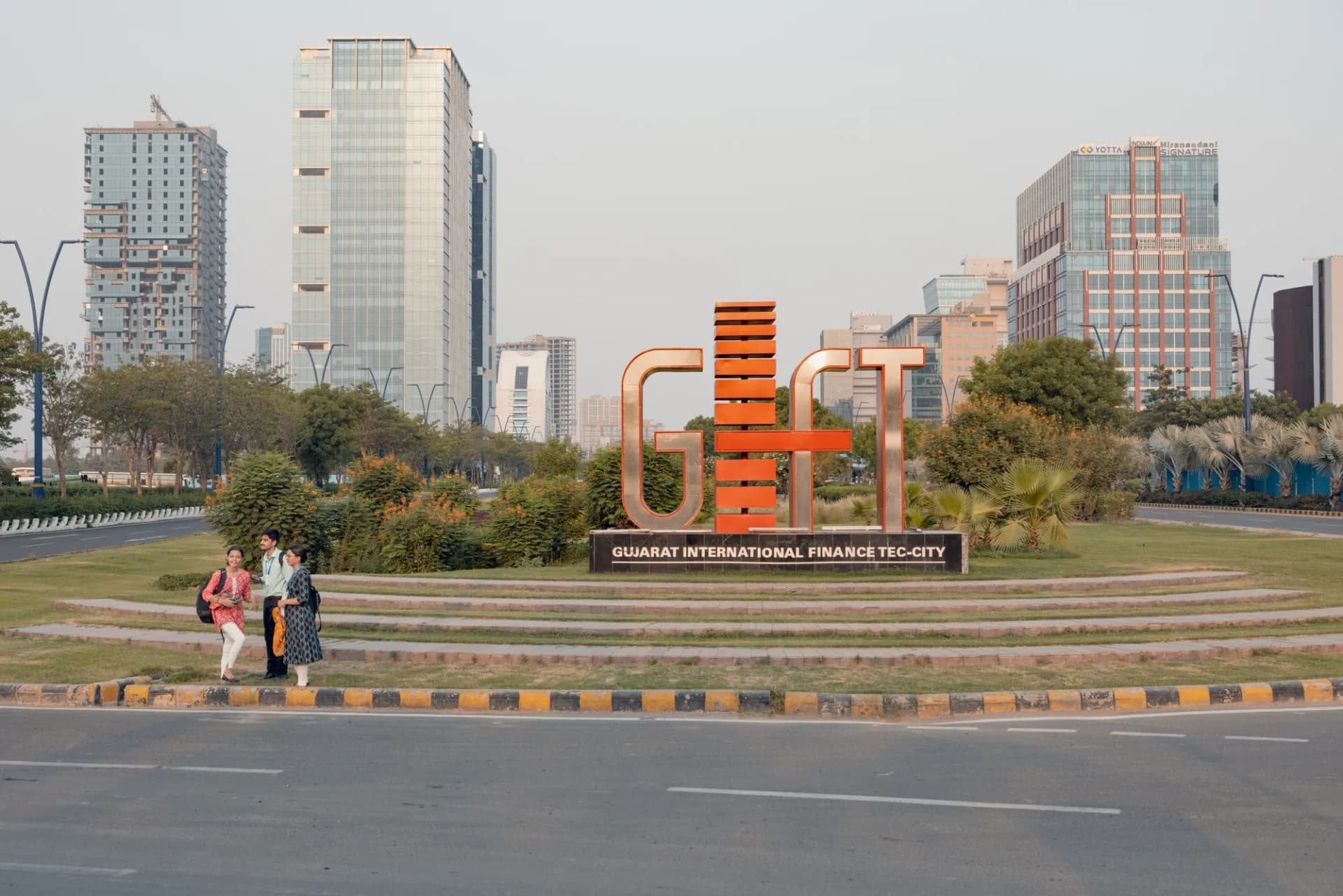
London-based JPMorgan Securities Plc has secured a licence from the International Financial Services Centres Authority to open a trading branch in Gujarat International Finance Tec-City, marking a notable step in the bank's multi-year build-out of operations in India’s international financial services centre. IFSCA executive director Dipesh Shah confirmed the regulator issued the licence “earlier this month,” and a JPMorgan spokesperson said the branch will “facilitate the trading of equities, derivatives and other financial instruments.”
The authorised branch will be the latest addition to JPMorgan’s platform in GIFT City, following a 2022 branch opening by the bank’s Indian unit and a 2024 unit focused on developing derivative products. The new licence permits trading in equities, derivatives and other instruments from the IFSC, positioning the unit to serve international clients seeking access to global securities from India’s special regulatory and tax framework.
GIFT City has grown rapidly as an alternative trading and investment hub. Bank assets at the IFSC exceeded $100 billion as of September 2025, a 41 percent year-on-year increase, while more than 190 fund managers and a range of insurers, universities and technology firms now operate in the precinct. Eligible entities in the IFSC benefit from a 100 percent tax holiday for ten years, an incentive that has underpinned much of the inbound activity from global banks and asset managers.
For JPMorgan, the move is pragmatic and strategic. Operating through a London-based securities arm in GIFT City allows the bank to centralise certain trading functions in a low-tax, IFSC-regulated environment and to offer clients trading access across asset classes without routing every transaction through onshore Indian entities. That can reduce operational frictions for clients outside India and broaden the bank’s product distribution in Asia and beyond.
The expansion also underscores GIFT City’s push to compete with established regional financial centres such as Singapore, Hong Kong and Dubai. The cluster of international banks already in the hub, including large global lenders and regional groups, has created critical mass for cross-border trading, custody and fund servicing. Market participants say that as more major institutions establish trading capacity there, the centre could capture incremental flows that today settle through other Asian venues.

Regulatory and market implications will attract scrutiny. The IFSCA’s authorization now places greater responsibility on the IFSC regulator to oversee cross-border trading and to ensure market integrity and risk management frameworks keep pace with rapid growth. Concentration of international trading in an IFSC raises questions about oversight of derivatives markets, liquidity fragmentation and the potential for regulatory arbitrage if rulebooks diverge materially from other jurisdictions.
Longer term, the licence is part of a broader trend of financial services fragmentation and geographic diversification. As banks and fund managers weigh costs, tax regimes and client proximity, hubs that pair favourable incentives with robust infrastructure can reshape global trading networks. JPMorgan’s third significant establishment in GIFT City is a signal that major institutions consider the hub viable for international trading operations, a development that could reverberate through regional market structure and policy debates on cross-border supervision.
Details on the branch’s operational launch date, staffing and specific client segments to be served have not been disclosed publicly and will determine how quickly the new licence translates into market activity.
This article was produced by Prism’s automated news system from verified source data, official records, and press releases, then run through automated quality and moderation checks before publishing. The system is built and supervised by the people who set the standards it runs under. Read our full AI policy.
Did this article answer your question?

