Judge allows cameras in Charlie Kirk murder case, delays hearing until July
A Utah judge kept cameras in Charlie Kirk’s murder case but pushed the preliminary hearing to July, citing 12 terabytes of evidence and a fair-trial record to manage.
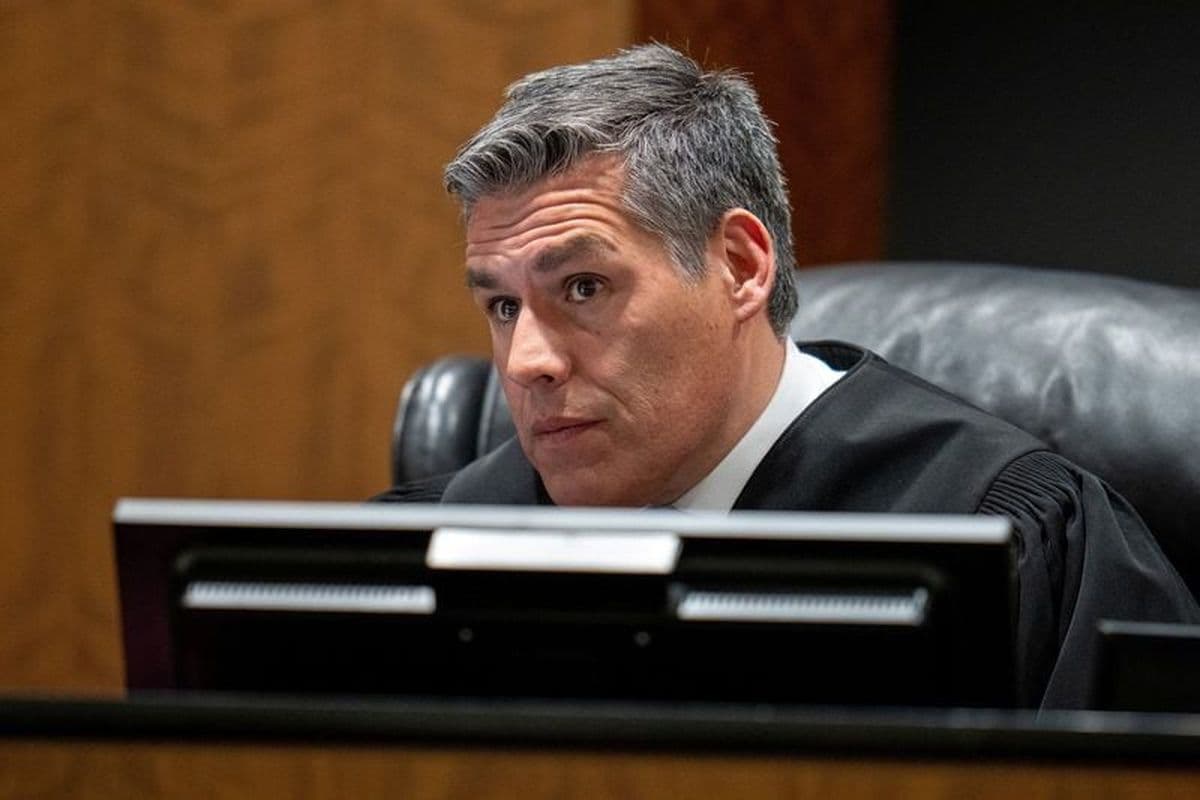
Cameras will stay in the courtroom in Tyler Robinson’s murder case, but the hearing schedule will not. State District Judge Tony Graf rejected a defense request for a blanket ban on electronic media, then agreed to postpone the preliminary hearing until July 6-10 as lawyers dig through a vast discovery file and prepare for a case carrying possible death penalty exposure.
The ruling split the difference between two competing concerns that have shaped the case since Charlie Kirk was shot and killed at Utah Valley University in Orem on Sept. 10, 2025. Graf said media requests to film or photograph proceedings will be reviewed one at a time, preserving public access while allowing the court to intervene if coverage crosses into prejudice or disruption. He also recognized the practical burden on Robinson’s defense, which said it needs hundreds of hours to review roughly 12 terabytes of material turned over by investigators.
That contrast mattered in a hearing already defined by the tension between transparency and trial rights. Robinson, 23, faces seven counts, including aggravated murder, obstruction of justice, witness tampering and violence in the presence of a child. Utah County prosecutors say they will seek the death penalty if he is convicted. The state has also recognized Erika Kirk as the victim representative in the case, underscoring how closely the proceedings track both criminal law and public accountability.
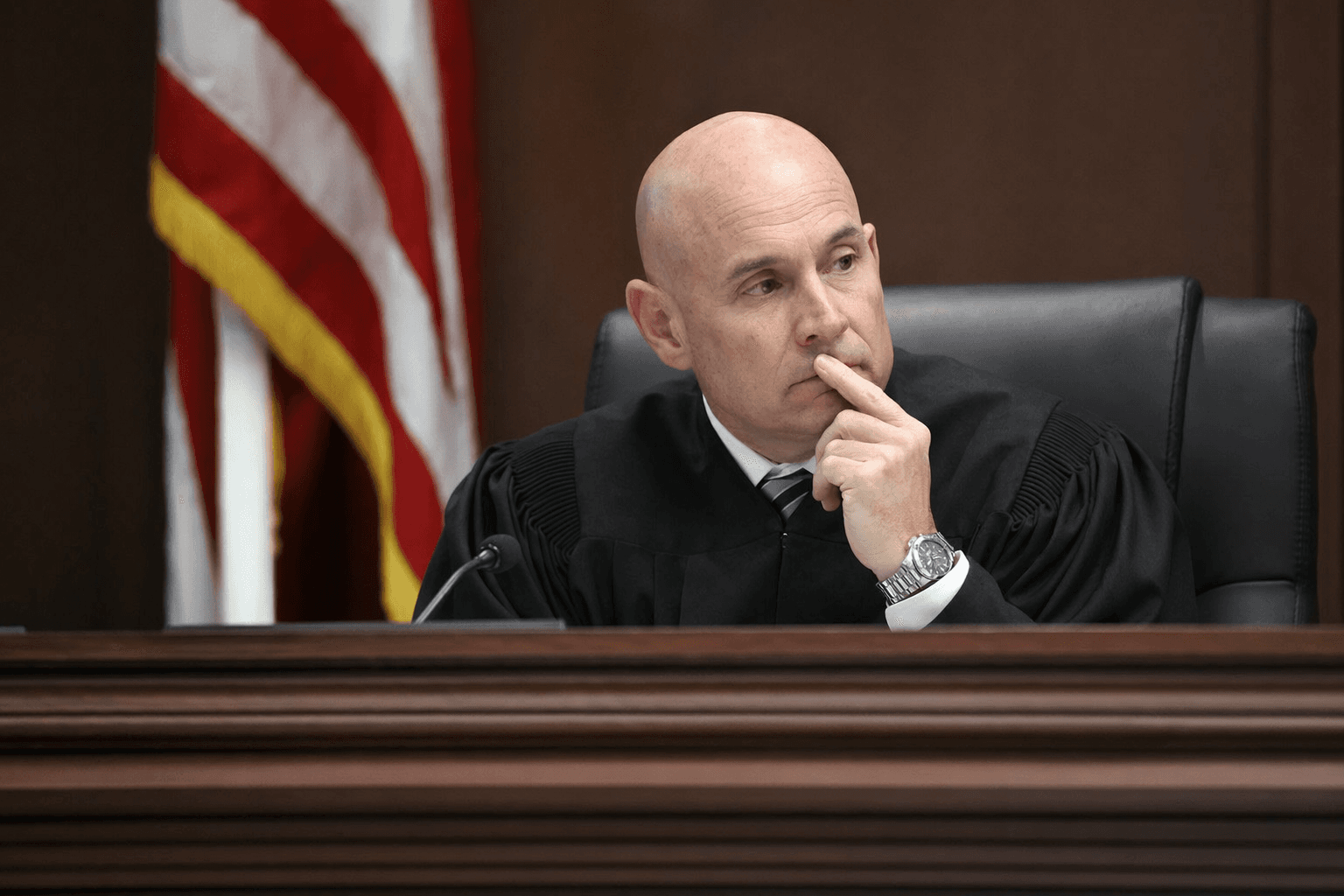
Graf’s decision kept the case visible after earlier friction over courtroom access. He had already tightened media rules when members of a media pool violated a courtroom order by showing Robinson’s shackles and close-ups of him speaking with attorneys. After that breach, he moved cameras to the rear of the courtroom, behind Robinson, making it harder to capture direct images of the defendant.
Prosecutors, media organizations and Erika Kirk had urged the court to keep cameras in place, arguing that openness is the best answer to misinformation and conspiracy theories that have spread since Kirk’s assassination. Robinson’s lawyers argued the opposite, warning that live broadcasts and online commentary could taint potential jurors and interfere with his right to a fair proceeding. The court sided with access, but not without limits, a signal that visibility remains a core principle even in a case now carrying extraordinary political and national attention.
This article was produced by Prism’s automated news system from verified source data, official records, and press releases, then run through automated quality and moderation checks before publishing. The system is built and supervised by the people who set the standards it runs under. Read our full AI policy.
Did this article answer your question?

