Judge blocks federal immigration arrests at courthouses nationwide
A federal judge halted courthouse immigration arrests nationwide, saying the Trump administration’s policy change was arbitrary and capricious. The ruling targets a practice that lawyers say kept people away from hearings.

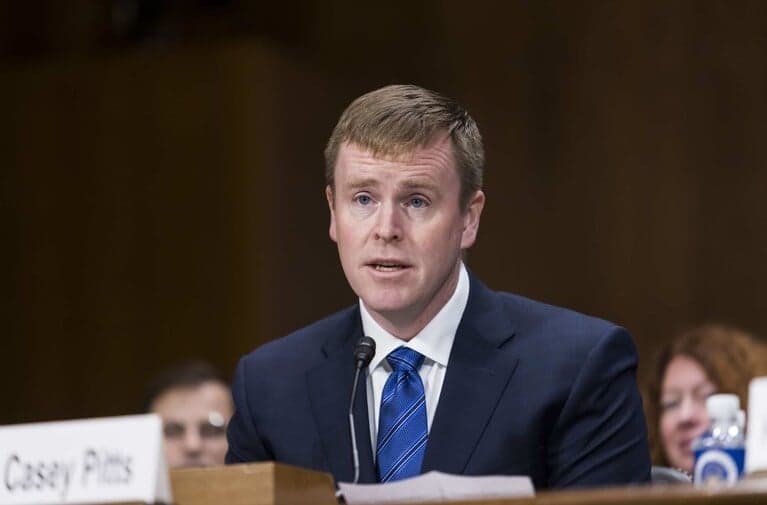
U.S. District Judge P. Casey Pitts vacated policies that expanded civil immigration arrests at courthouses and the time noncitizens could be held in short-term facilities. The ruling blocked the government from arresting people at immigration courts nationwide, cutting off a Trump administration tactic that had spread through court buildings from Manhattan to California. Courthouse arrests discouraged migrants from showing up for mandatory hearings, turning a legal obligation into a risk of detention.
He found the government’s shift was “arbitrary and capricious” under the Administrative Procedure Act, saying attorneys for U.S. Immigration and Customs Enforcement and the Executive Office for Immigration Review failed to give a reasoned explanation for reversing long-standing policy.
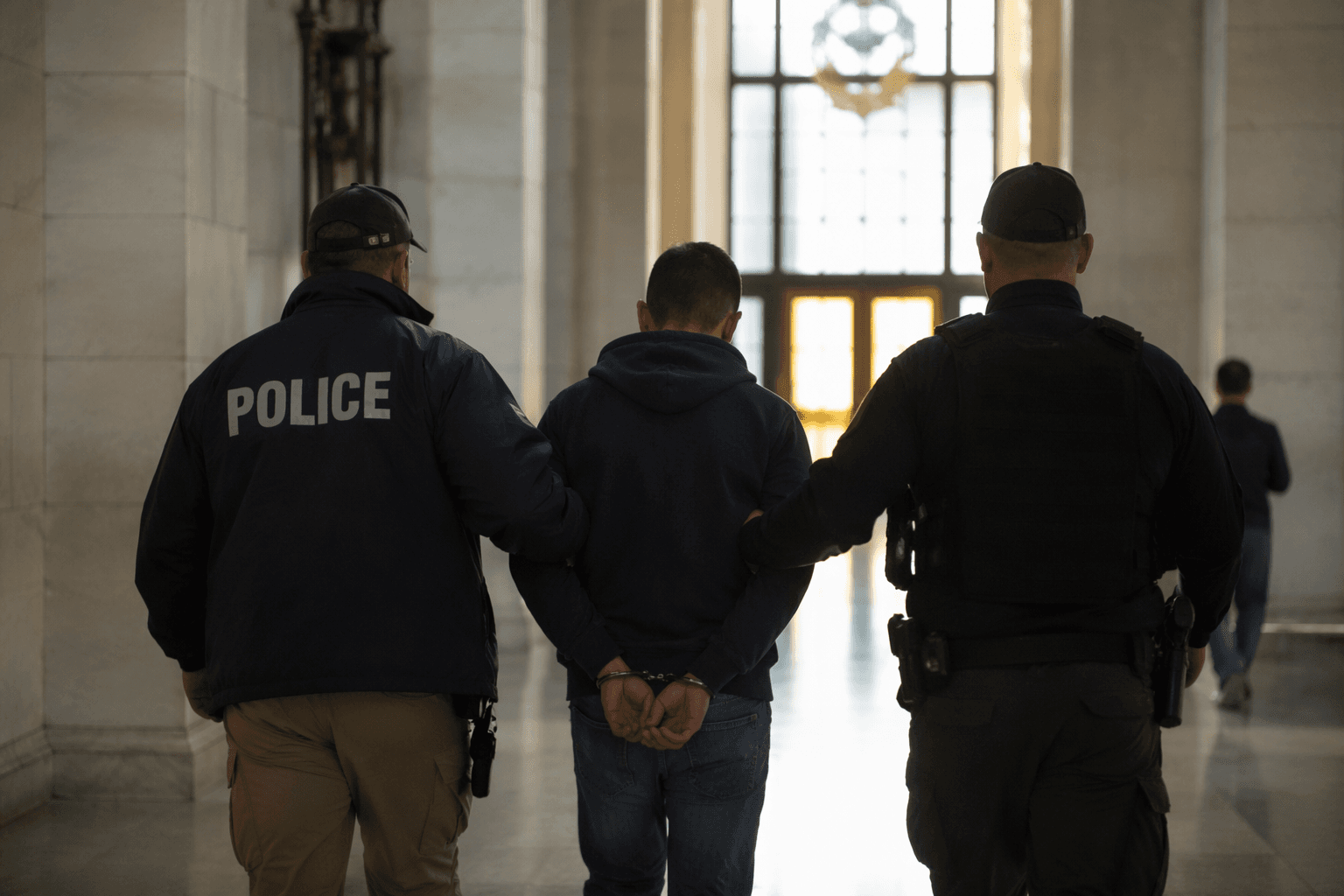
The order was broader than an earlier May ruling in New York that stopped most courthouse arrests only around three Manhattan immigration court buildings. That New York case focused on 26 Federal Plaza, where masked federal agents arrested people after hearings.
In the New York case, Judge Kevin Castel said people should not have to risk arrest to appear for asylum hearings or deportation proceedings. Immigrant advocates said the courthouse arrest strategy had a chilling effect on attendance and made the courthouse feel like a trap for people who were complying with the law.
The Trump administration changed detention guidelines in 2025, and the shift was followed by a sharp rise in courthouse arrests. DHS general counsel James Percival called the decision “judicial overreach.”
This article was produced by Prism’s automated news system from verified source data, official records, and press releases, then run through automated quality and moderation checks before publishing. The system is built and supervised by the people who set the standards it runs under. Read our full AI policy.
Know something we missed? Have a correction or additional information?
Submit a Tip