Judge Blocks Louisiana Effort to Eliminate Elected Orleans Clerk Office
Calvin Duncan won the Orleans criminal clerk race with 68% of the vote, then saw Louisiana try to erase the office before he could settle in.
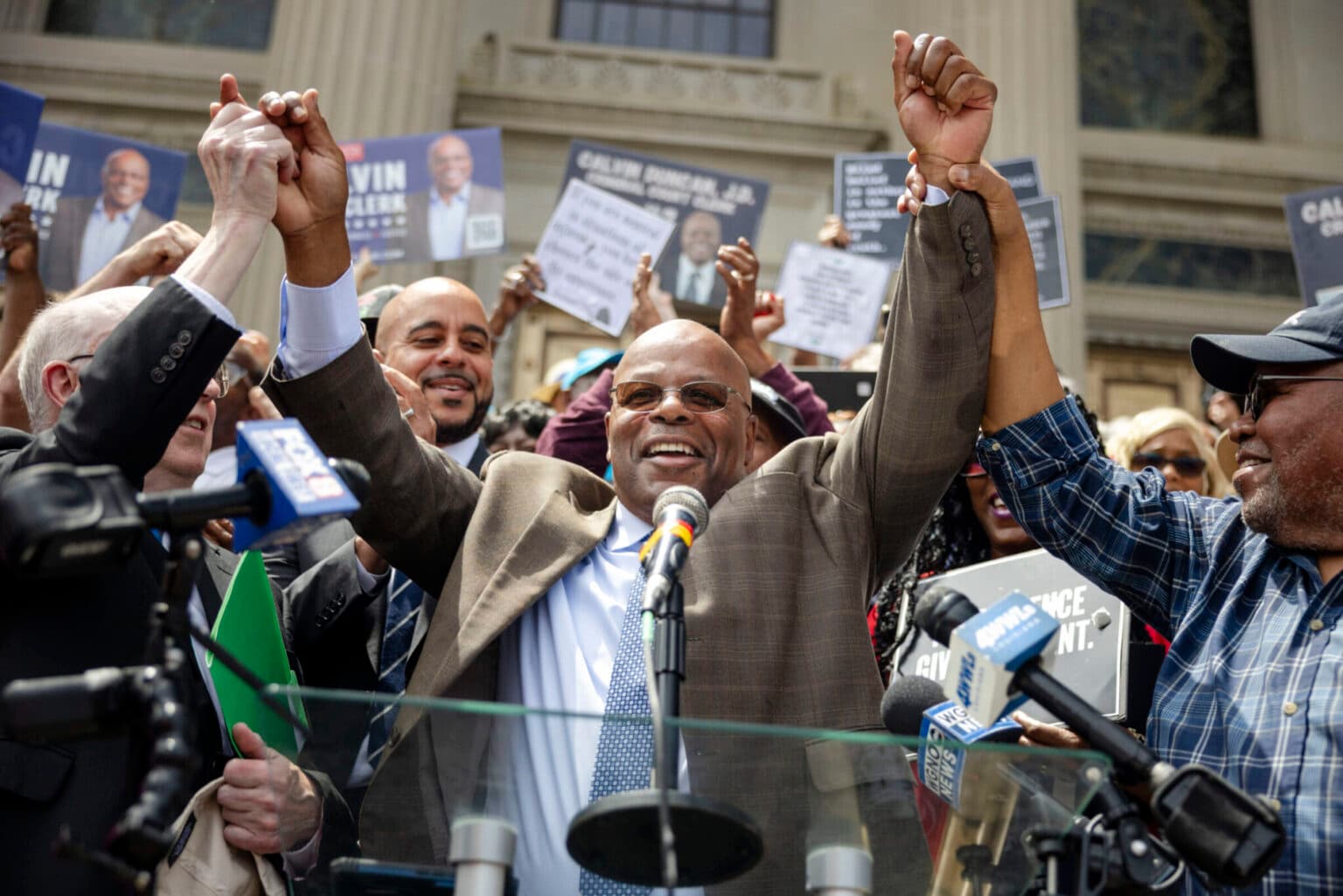
Calvin Duncan spent Monday morning stepping into an office he won with 68 percent of the vote, only to see a higher court freeze his authority hours after a federal judge had briefly blocked Louisiana from wiping the post off the books. The clash turned a courthouse administrative job into a test of whether voters or state power set the rules in Orleans Parish.
The office at the center of the fight is not symbolic. The Orleans Parish clerk of criminal court handles criminal court administration in New Orleans, and the Legislature’s plan would fold those duties into the civil clerk’s office, ending the separately elected criminal clerk post. Duncan had already been sworn in at a New Orleans ceremony on April 21, 2026, after winning the November 2025 general election, but the state moved to undo the result before his term could begin in full.
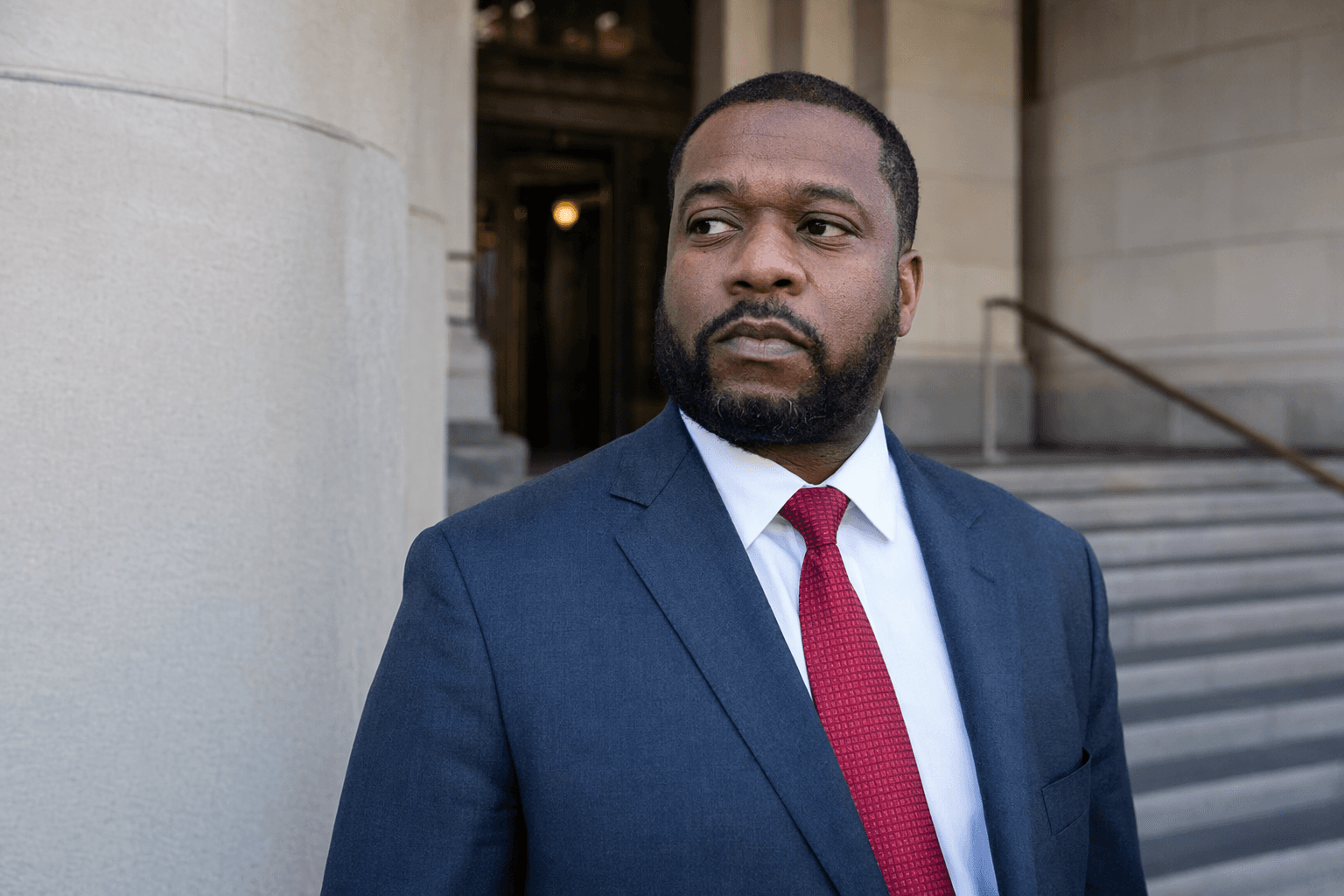
Gov. Jeff Landry and Louisiana Republicans pushed Senate Bill 256 to abolish the elected office and merge its duties into the civil clerk’s office. The measure passed the Louisiana Senate on a 25-11 party-line vote, with 25 Republicans in favor and 11 Democrats opposed. No member of the Orleans delegation voted for the bill.
On Sunday, U.S. District Judge John deGravelles blocked the state from eliminating the office, ruling that the law was unconstitutional. The judge found that lawmakers had replaced an elected office with a political appointee and violated Duncan’s due process rights. The Lens reported that deGravelles said the state abolished an office, created a new office to replace it, and then appointed someone to that new office, all when the Louisiana Constitution requires an election.
The reprieve did not last. By about 9:30 a.m. Monday, a higher court had frozen deGravelles’ ruling at the state’s request, leaving Duncan’s status in limbo as the case moved deeper into state and federal court fights. Landry later dismissed the ruling as creating “chaos and confusion.”
Duncan’s election carried unusual moral force because of his own history. He was arrested as a teenager in 1982, wrongfully convicted in 1985, spent about 28 years in prison, was released in 2011 and was formally exonerated in 2021. Supporters cast his victory as a rare moment when an exoneree and jailhouse lawyer won public office, while opponents of the merger said the move would disenfranchise New Orleanians who had just voted for him.
What unfolded in Orleans Parish was more than a personnel fight. It exposed how quickly criminal court records, procedure and accountability can become battlegrounds when elected reform collides with entrenched courthouse power.
This article was produced by Prism’s automated news system from verified source data, official records, and press releases, then run through automated quality and moderation checks before publishing. The system is built and supervised by the people who set the standards it runs under. Read our full AI policy.
Did this article answer your question?

