Judge blocks SNAP limits on sugary foods in five states
A federal judge stopped five states from banning SNAP purchases of sugary foods, saying USDA had no authority to approve the waivers. The ruling sharpened a fight over whether Congress, states or federal agencies set the rules.
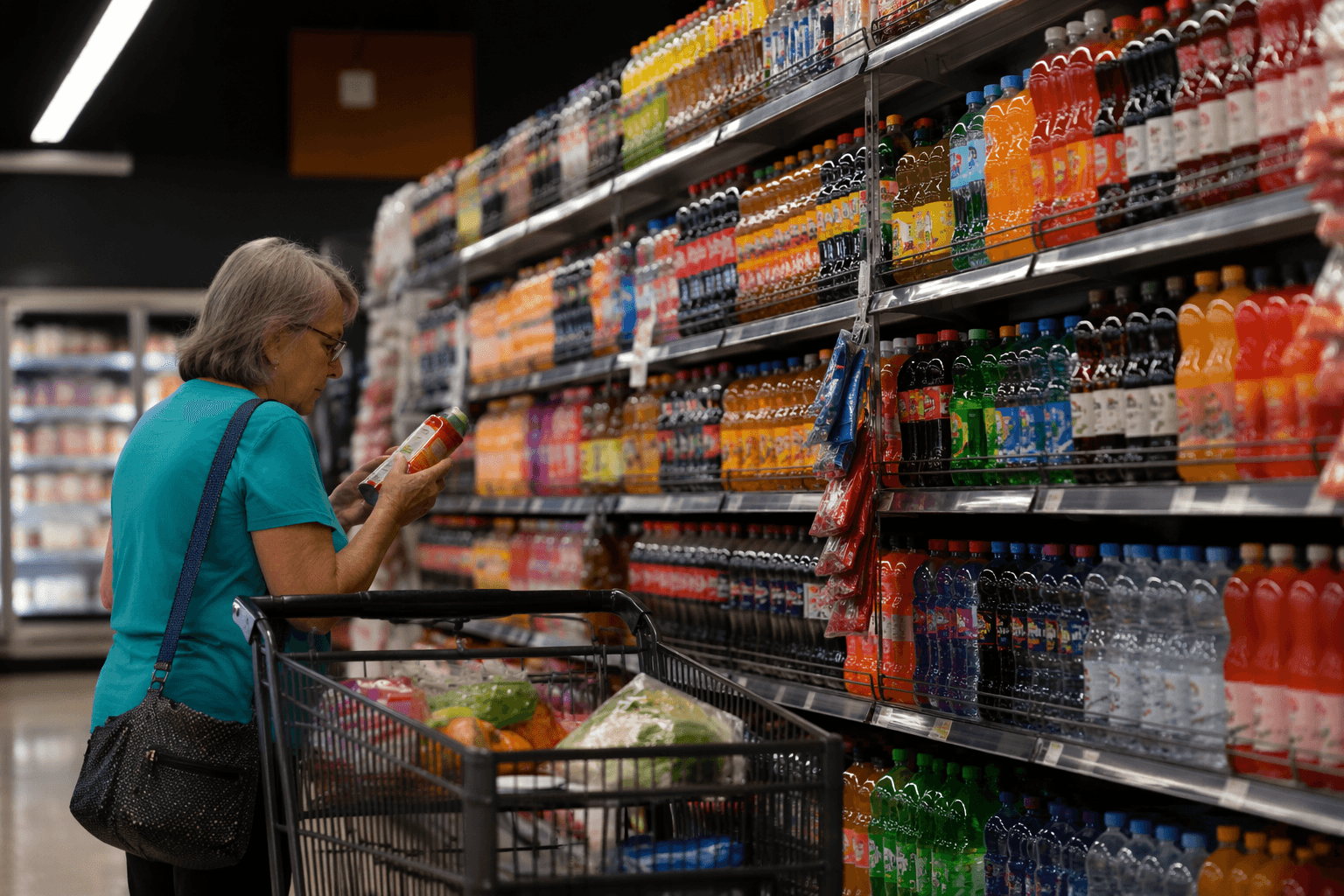
A federal judge has blocked a Trump administration effort to let five states bar SNAP shoppers from buying sugary foods and drinks, ruling that the Agriculture Department lacked authority to approve the waivers. The decision by U.S. District Judge Amy Berman Jackson in Washington, D.C., immediately stalled restrictions in Colorado, Iowa, Nebraska, Tennessee and West Virginia and put fresh legal doubt over a broader state-by-state push to reshape what food stamp recipients can buy.
The case, Aragon v. Rollins, was brought by five SNAP recipients who argued that USDA had gone beyond its power, skipped required notice-and-comment procedures and created confusion for families and retailers. The plaintiffs said the patchwork approach was especially hard to administer because each state defined banned products differently. USDA had already approved restrictions in 22 states by the time the lawsuit was filed, and the agency has continued encouraging states to submit more waivers.
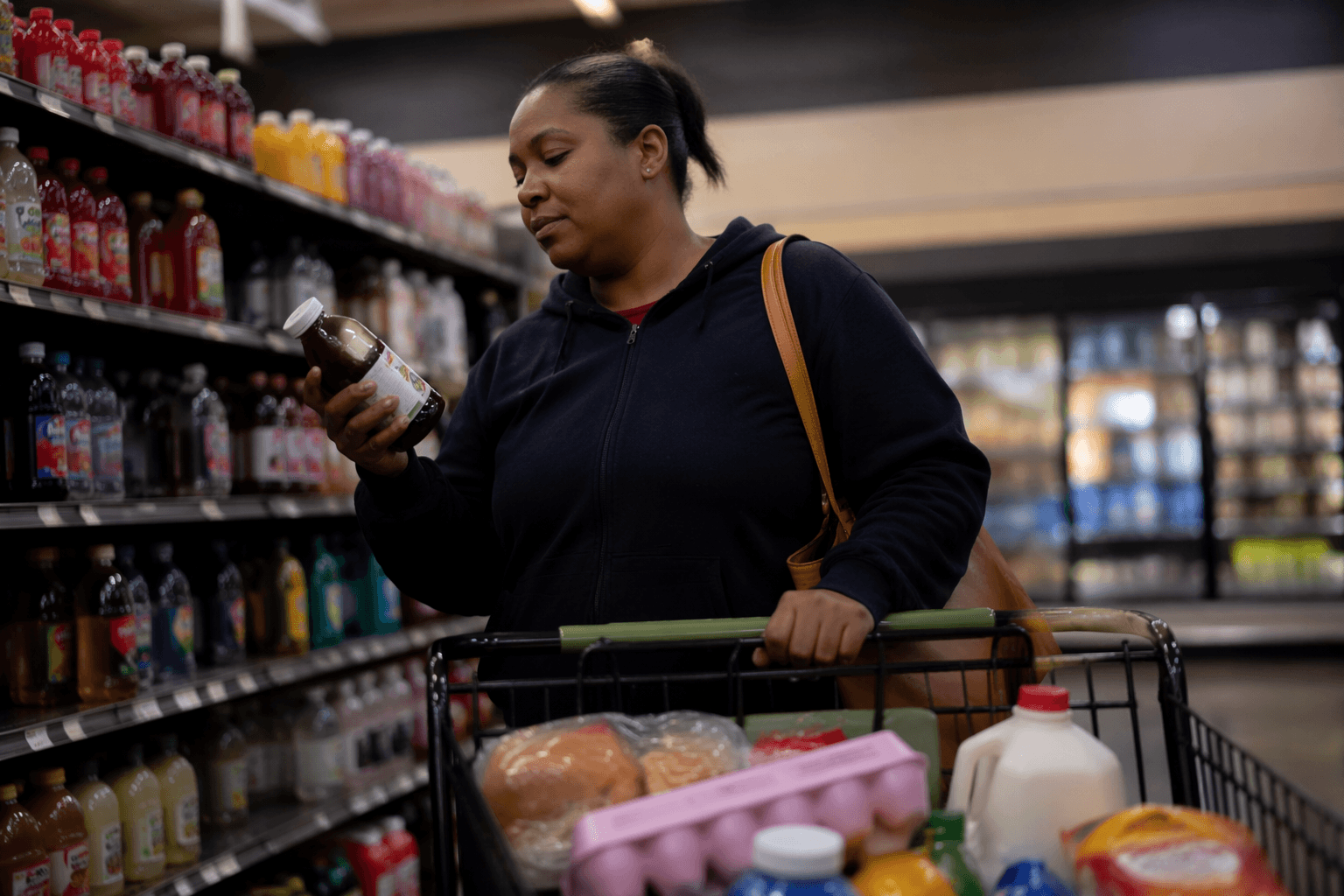
The ruling cuts to the center of a larger policy fight: whether states can use federal waivers to rewrite nutrition rules, or whether Congress alone must decide the limits of the Supplemental Nutrition Assistance Program. USDA and Health and Human Services Secretary Robert F. Kennedy Jr. had framed the waivers as part of the administration’s “Make America Healthy Again” agenda, with Agriculture Secretary Brooke Rollins backing state efforts to reduce purchases of soda, candy and other sugary items. USDA said earlier SNAP rules let recipients buy most foods, with exclusions for alcohol, tobacco, hot and prepared foods and personal care products.
Retailers and food industry groups had warned that the compliance burden would be steep. A study cited in the complaint estimated upfront costs of $1.56 billion across the food retail sector, and industry lawyers said the challenged waivers would take effect in 2026 with only a one-time 90-day grace period for retailers. That concern echoed USDA’s own 2018 rejection of similar requests from Maine and Nevada, when the department said the limits would raise administrative costs, burden retailers and restrict household choices without evidence of meaningful health benefits.
The ruling lands as states continue testing the edges of SNAP policy. Rollins signed waivers for Indiana, Iowa and Nebraska in 2025, later added Arkansas, Idaho and Utah, and Missouri pushed its own planned ban on candy, prepared desserts and sugary drinks back to Feb. 15, 2027 after grocers said they needed clearer checkout guidance. For now, Jackson’s decision leaves the question of who gets to decide what SNAP can and cannot buy unresolved, and makes clear that any lasting change will have to survive not just state pressure but federal law itself.
This article was produced by Prism’s automated news system from verified source data, official records, and press releases, then run through automated quality and moderation checks before publishing. The system is built and supervised by the people who set the standards it runs under. Read our full AI policy.
Know something we missed? Have a correction or additional information?
Submit a Tip