Judge blocks Trump election order, cites no presidential authority
A Boston judge permanently barred Trump’s election order, saying the presidency has no power to rewrite voter-registration rules or mail-ballot deadlines.
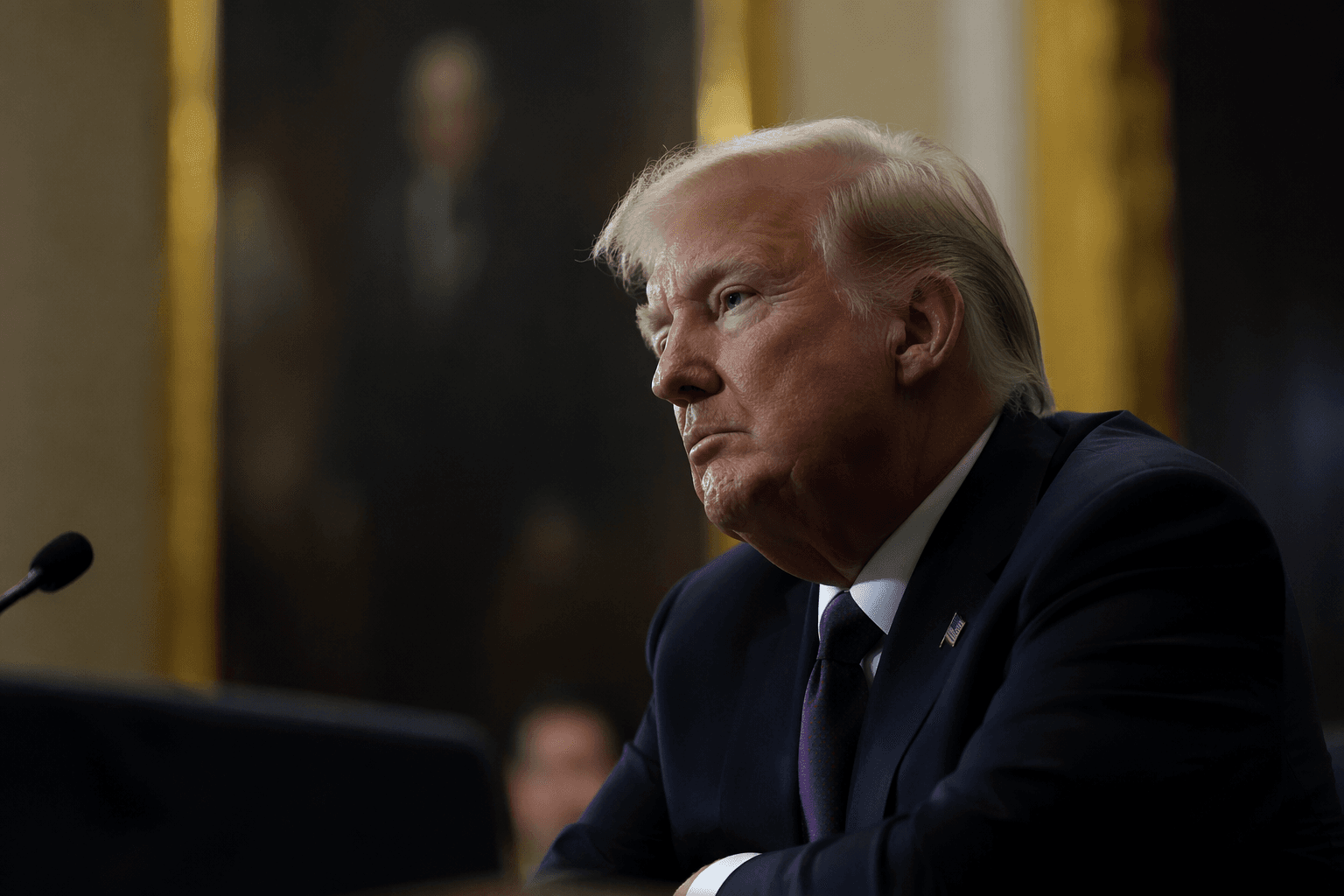
A federal judge in Boston permanently blocked most of Donald Trump’s March 25, 2025 executive order on elections, ruling that the president cannot unilaterally impose proof-of-citizenship voting rules or set new ballot deadlines. U.S. District Judge Denise Casper said the Constitution leaves election regulation to Congress and the states, not the White House, and turned earlier temporary relief into a permanent injunction for the states suing over the order.
The decision landed on June 24, 2026 and struck at the core of the administration’s effort to require documentary proof of citizenship to register to vote and to force mail-in ballots to reach election offices by Election Day, even when they were postmarked on time. Casper also blocked provisions aimed at military members and U.S. citizens living abroad, and she rejected the order’s threat to penalize states that did not comply by withholding certain federal money.
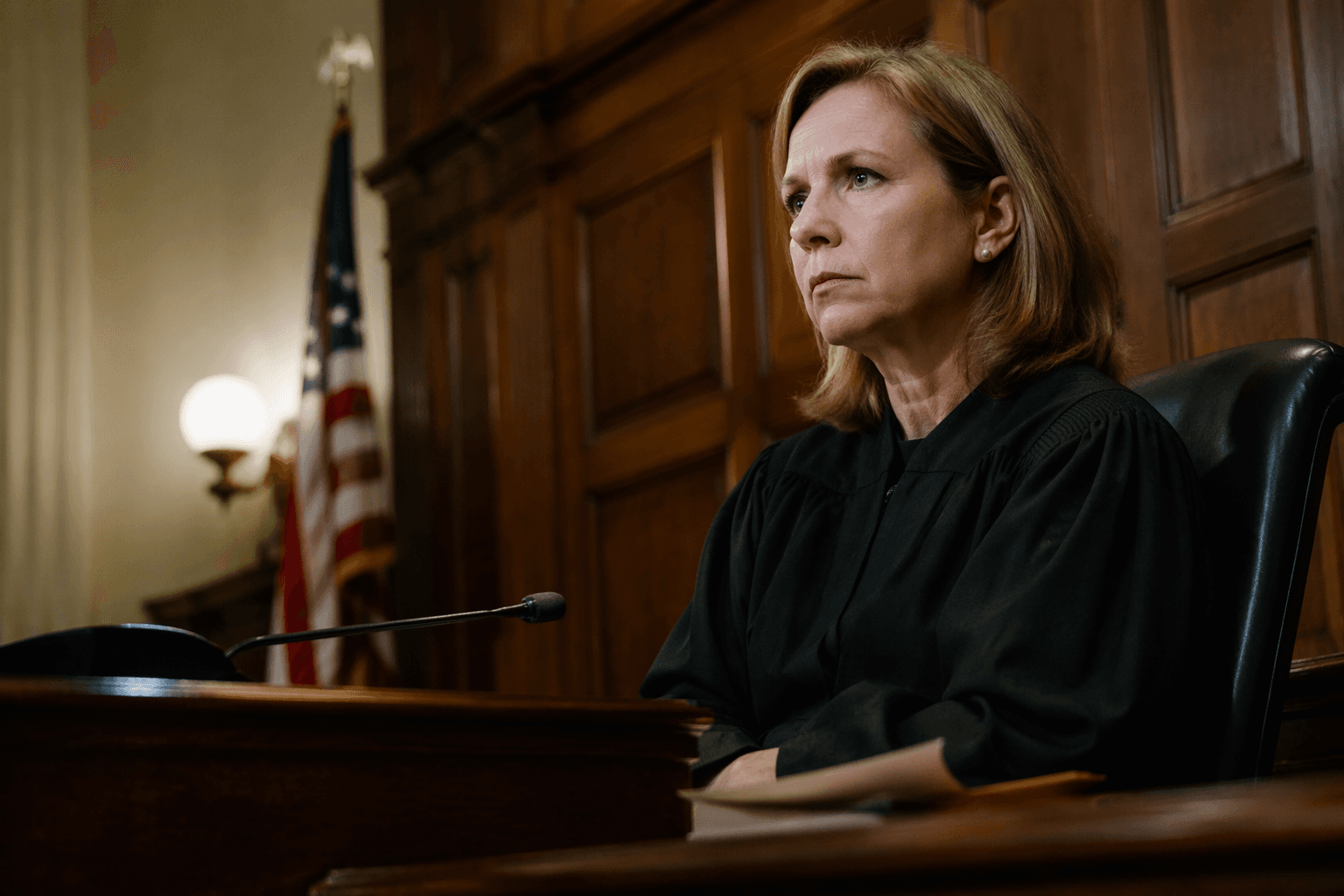
The case was filed by Democratic attorneys general in 19 states, making the fight over the order a broad multistate challenge rather than a single-state dispute. Casper found the challenged provisions exceeded presidential authority and violated separation of powers. She also held that the citizenship requirement conflicts with the National Voter Registration Act, while the provision targeting military and overseas voters conflicts with the Uniformed Overseas Citizens Absentee Voting Act.
The ruling was the third federal decision to stop at least part of Trump’s push for proof-of-citizenship requirements in voter registration. In Washington, D.C., Judge Colleen Kollar-Kotelly blocked a similar proof-of-citizenship provision in April 2025 in a case brought by voting-rights groups and Democratic Party-aligned plaintiffs, including the Democratic National Committee, the League of United Latin American Citizens and the National Association for the Advancement of Colored People. In Massachusetts, another federal ruling made permanent the blocks for the states covered by that separate multistate lawsuit.
The clash has become one of the clearest tests of who controls access to the ballot going into the 2026 election cycle and the 2028 presidential contest. Trump’s order also drew the Election Assistance Commission, an independent federal agency created by Congress, into the dispute as the administration tried to press changes onto federal registration forms. Casper’s ruling leaves those rules where the Constitution places them, with Congress and the states.
This article was produced by Prism’s automated news system from verified source data, official records, and press releases, then run through automated quality and moderation checks before publishing. The system is built and supervised by the people who set the standards it runs under. Read our full AI policy.
Know something we missed? Have a correction or additional information?
Submit a Tip