Judge orders DOJ to release unredacted Epstein files or explain redactions
A federal judge gave the Justice Department until July 2 to expose Epstein records it blacked out, including emails, a draft indictment and FBI notes.
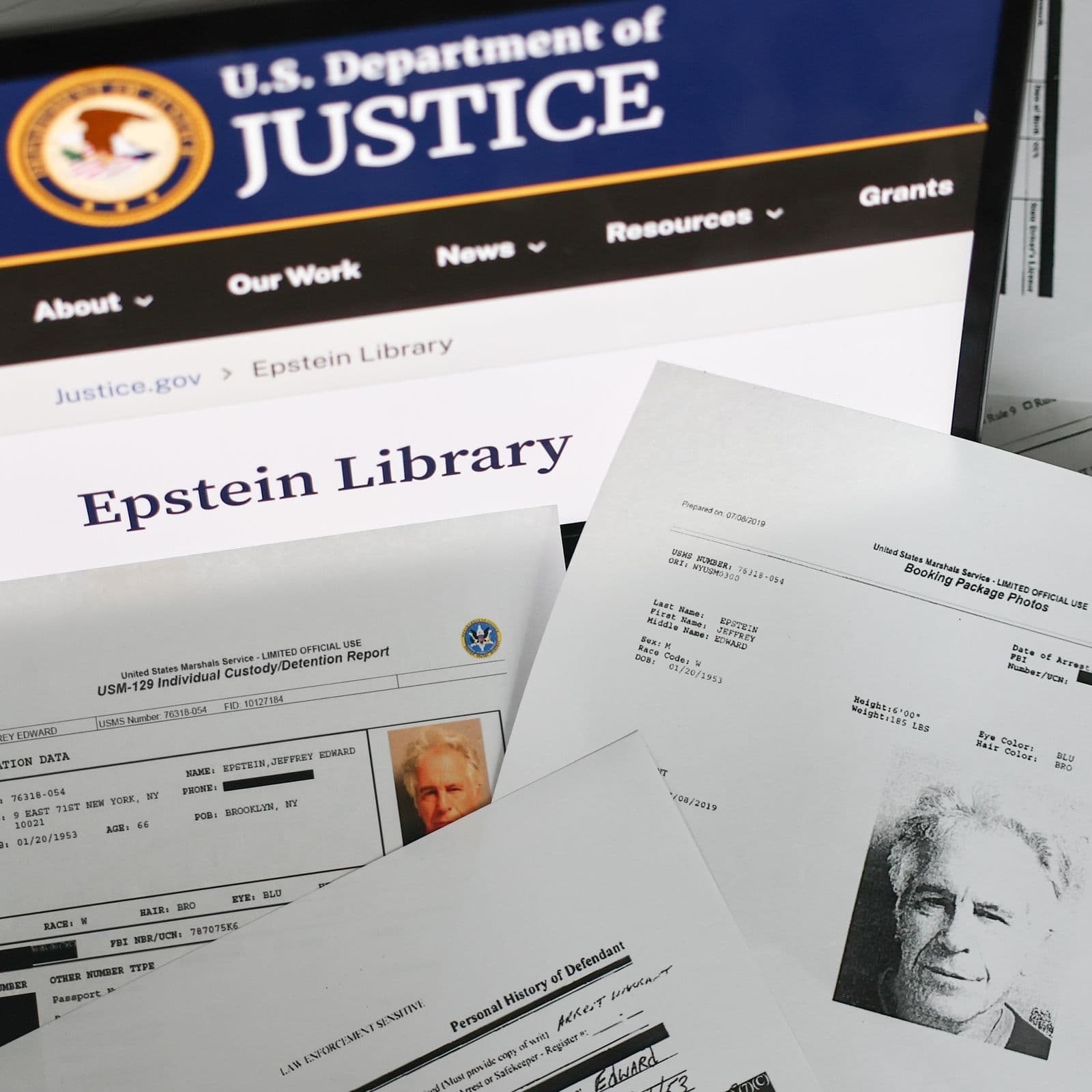
A federal judge ordered the Justice Department to produce less-redacted Epstein records or explain, item by item, why it kept information hidden, setting a July 2 deadline for the agency to justify its secrecy. U.S. District Judge Emmet Sullivan issued the order on June 25 after siding with independent journalist Katie Phang and the Public Integrity Project in a lawsuit challenging the Trump administration and Acting Attorney General Todd Blanche over records covered by the Epstein Files Transparency Act.
The order reaches at least eight email exchanges in which either the sender or recipient was blacked out, a draft indictment of Jeffrey Epstein with the names of potential co-conspirators obscured, and a 2019 email that mentions multiple co-conspirators whose identities were withheld. Sullivan also required the department to release a log listing every redaction made to the Epstein files it has already published. Among the material he singled out were underlying FBI interview notes from a woman who accused President Donald Trump of assault, records the Justice Department had summarized but not released in full. The judge also ordered disclosure of sender and recipient information in emails discussing the recruiting of young women, including a 2015 message in which Epstein described girls ages 14 to 15 in sexually explicit terms.

The Epstein Library contains materials responsive to the transparency law Congress passed and President Trump signed on November 19, 2025, and the Justice Department says it has made reasonable efforts to remove victims’ names and other identifying information. The redactions also cover grand jury material, privacy-protected information and other legally required exclusions. Some records may still contain sensitive or private material even after review.
The Justice Department says it has released only about half of the roughly 6 million pages it collected on Epstein; the rest are duplicates, unrelated material or records protected by legal privilege. Public disclosures on the Epstein Library site were last updated on June 9, 2026.
The Epstein Files Transparency Act requires the attorney general to release all Justice Department records related to Epstein, while allowing the government to withhold victims’ personal information and material that could jeopardize an active federal investigation. Lawmakers and Epstein survivors have questioned why some records remain missing or heavily redacted, and the Public Integrity Project says the lawsuit is meant to force the government to explain each withheld item and honor the disclosure rules Congress wrote into law.
This article was produced by Prism’s automated news system from verified source data, official records, and press releases, then run through automated quality and moderation checks before publishing. The system is built and supervised by the people who set the standards it runs under. Read our full AI policy.
Know something we missed? Have a correction or additional information?
Submit a Tip