New York City approves first-ever two-year rent freeze under Mamdani
New York froze rents on 1 million stabilized apartments for two years, giving tenants immediate relief while landlord groups warn of deferred maintenance and tighter supply.
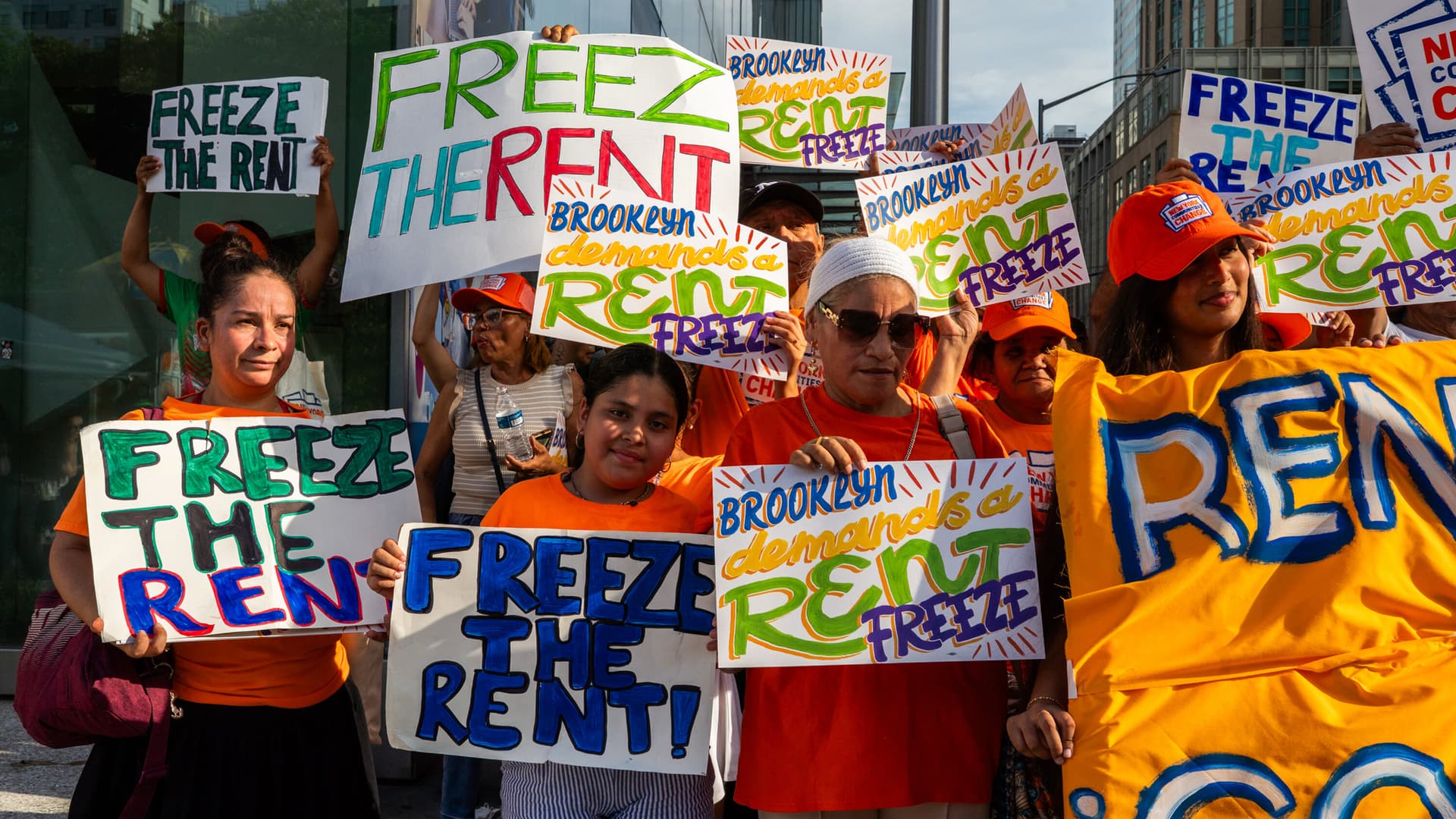
New York City’s Rent Guidelines Board froze rents on one-year and two-year rent-stabilized leases in a 7-1 vote, delivering immediate relief to about 1 million apartments and roughly 2 million New Yorkers while renewing the fight over who absorbs the cost later. The freeze takes effect for leases beginning October 1, 2026 and runs through September 30, 2027, making it the first-ever two-year rent freeze in the board’s history.
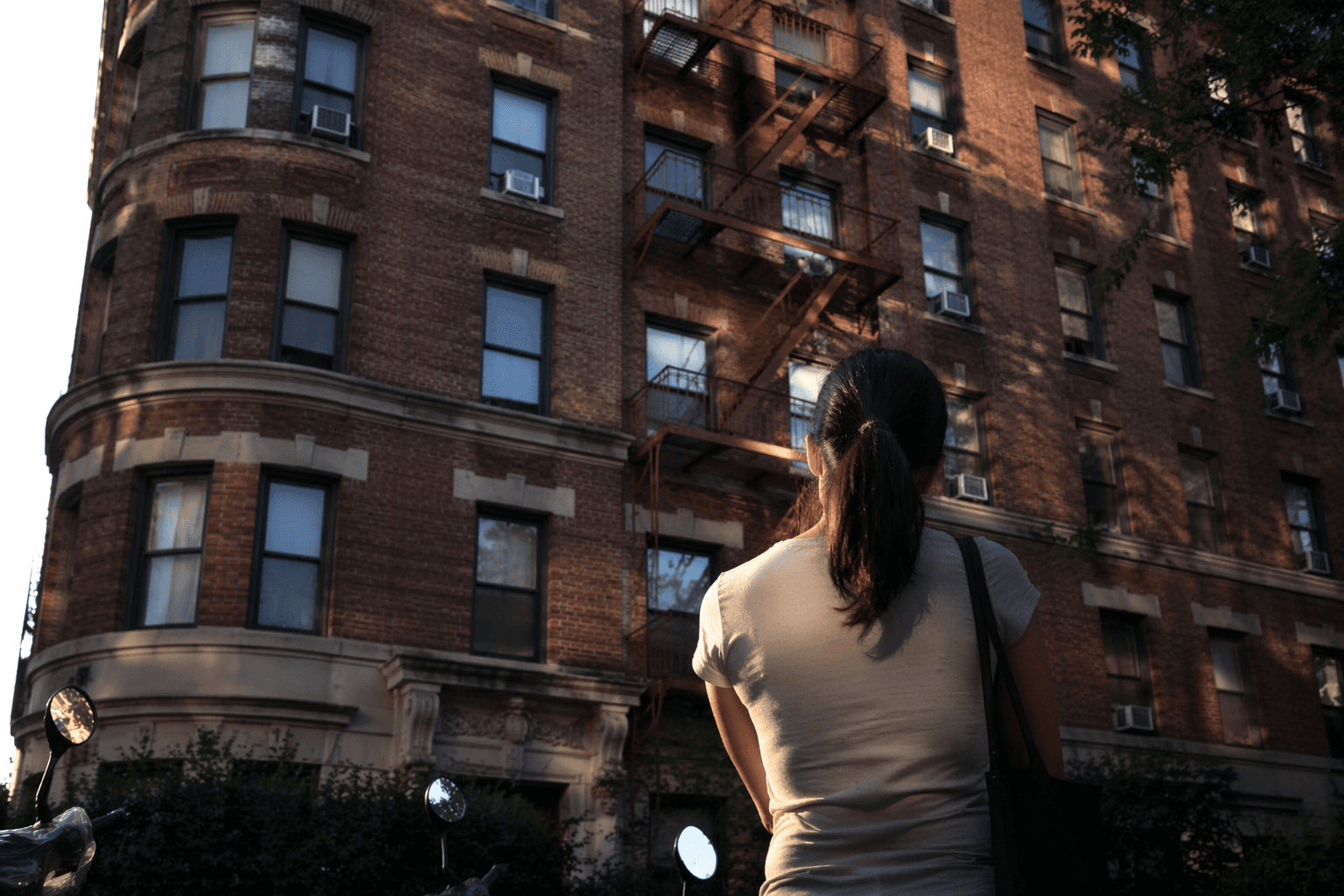
The final vote took place at El Museo del Barrio in East Harlem after months of hearings and lobbying over how far the city should go to shield tenants from higher housing costs. City officials said the board weighed tenants’ ability to pay, the cost of living, and building operating costs. The decision covers rent-stabilized apartments across the five boroughs, in a housing stock that Gothamist has described as roughly 50,000 buildings and about 1 million regulated units.
Zohran Mamdani, who appointed six of the board’s nine members, secured a working majority on the panel and turned a campaign promise into policy. His 2025 mayoral victory, with 1,114,184 votes, gave the move clear political backing, but the board’s action also sharpened the central housing tradeoff: tenants get a year of fixed rents now, while owners of older rent-regulated buildings may face pressure to delay repairs, curb maintenance, or push harder for future rent increases.
Landlord advocates warned for months that a freeze would deepen financial strain in a sector they say is already under pressure. A board member representing landlords resigned ahead of the vote, accusing the process of crossing a legal line and saying the outcome was already decided. The Rent Stabilization Association of NYC, which has represented thousands of landlords in previous housing fights, has long argued that rigid limits on rent growth can make it harder to cover insurance, labor, and construction costs.
The 2026 vote marks a sharp turn from last year’s decision, when the board approved increases of 3% on one-year leases and 4.5% on two-year leases. Under the city’s regular schedule, the board votes each year after public hearings held from March through June, and the annual changes take effect every Oct. 1. This year’s freeze tests whether New York can give tenant relief without worsening the long-term housing shortage that has made rent-stabilized apartments so politically powerful.
This article was produced by Prism’s automated news system from verified source data, official records, and press releases, then run through automated quality and moderation checks before publishing. The system is built and supervised by the people who set the standards it runs under. Read our full AI policy.
Know something we missed? Have a correction or additional information?
Submit a Tip