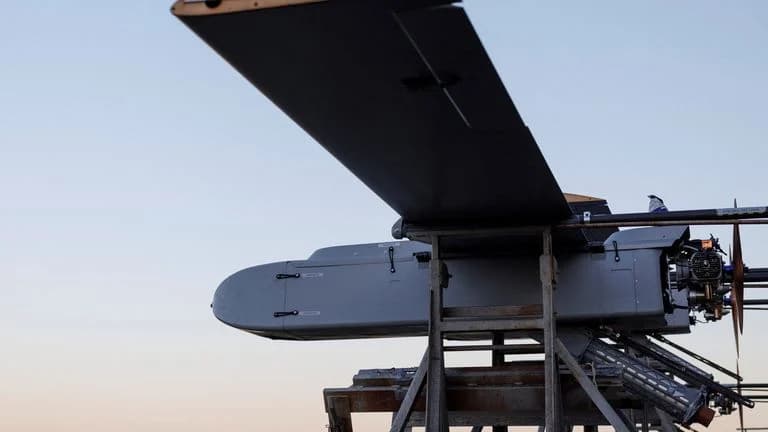
Judge orders release of key witness in Texas ICE shooting case
A judge ordered Jose Trinidad Rojas Pliego freed from immigration custody, putting a key witness back within reach of the Texas ICE shooting case.
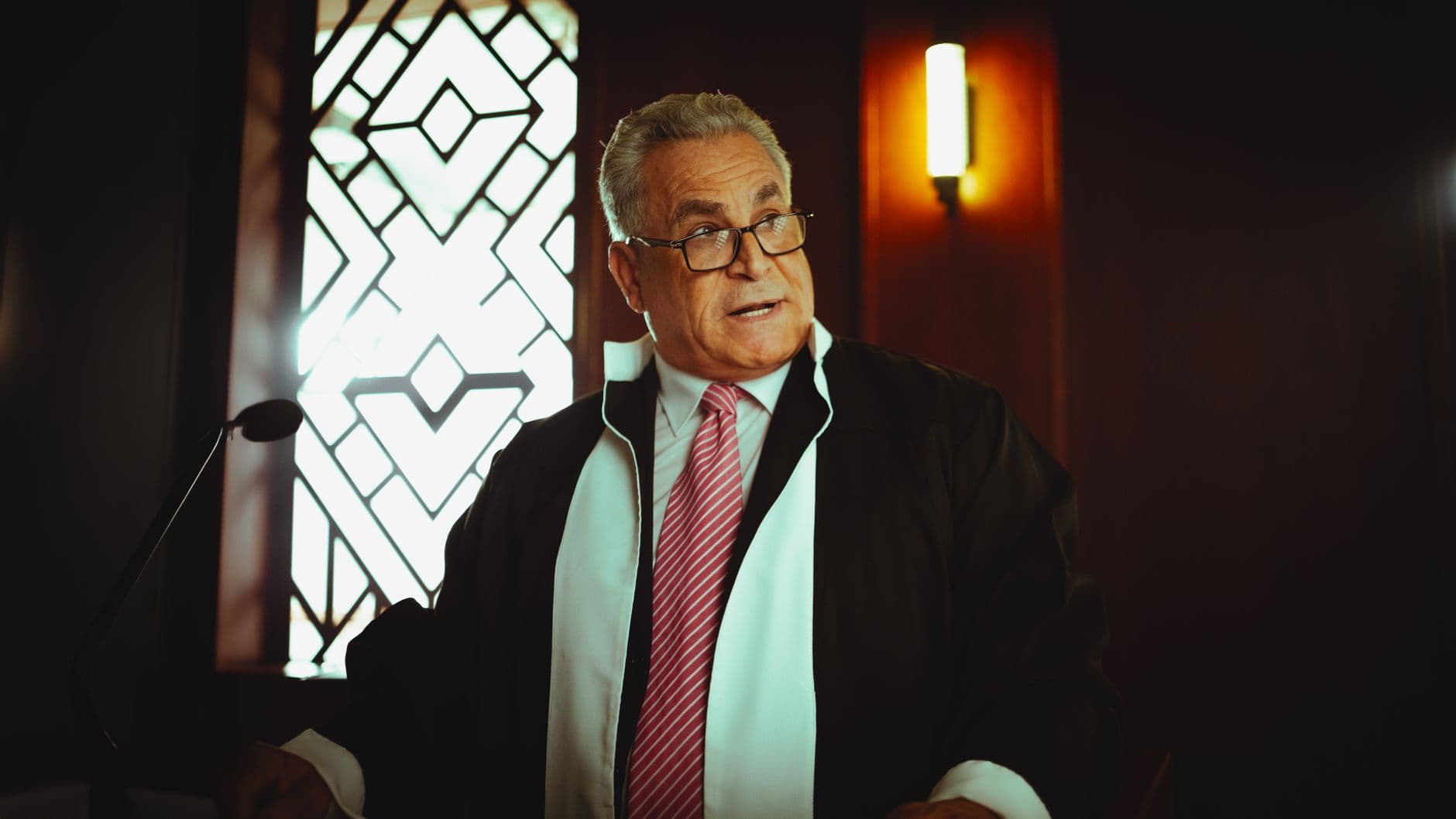
A judge ordered U.S. immigration authorities to release Jose Trinidad Rojas Pliego, a key witness in the Texas ICE shooting case, putting his testimony back within reach of the court. The ruling pushes the legal process to the forefront of a politically sensitive fight over immigration enforcement, criminal law and due process.
NBC News identified Rojas Pliego as one of three passengers in a van driven by Lorenzo Araujo Salgado when an ICE officer shot Salgado. AP’s related coverage identifies the fatal shooting victim as Lorenzo Salgado Araujo in Houston. ABC News reported that court filings show Rojas Pliego does not have a criminal record, a detail that sharpened the argument over whether he should remain in detention while the case moves forward.
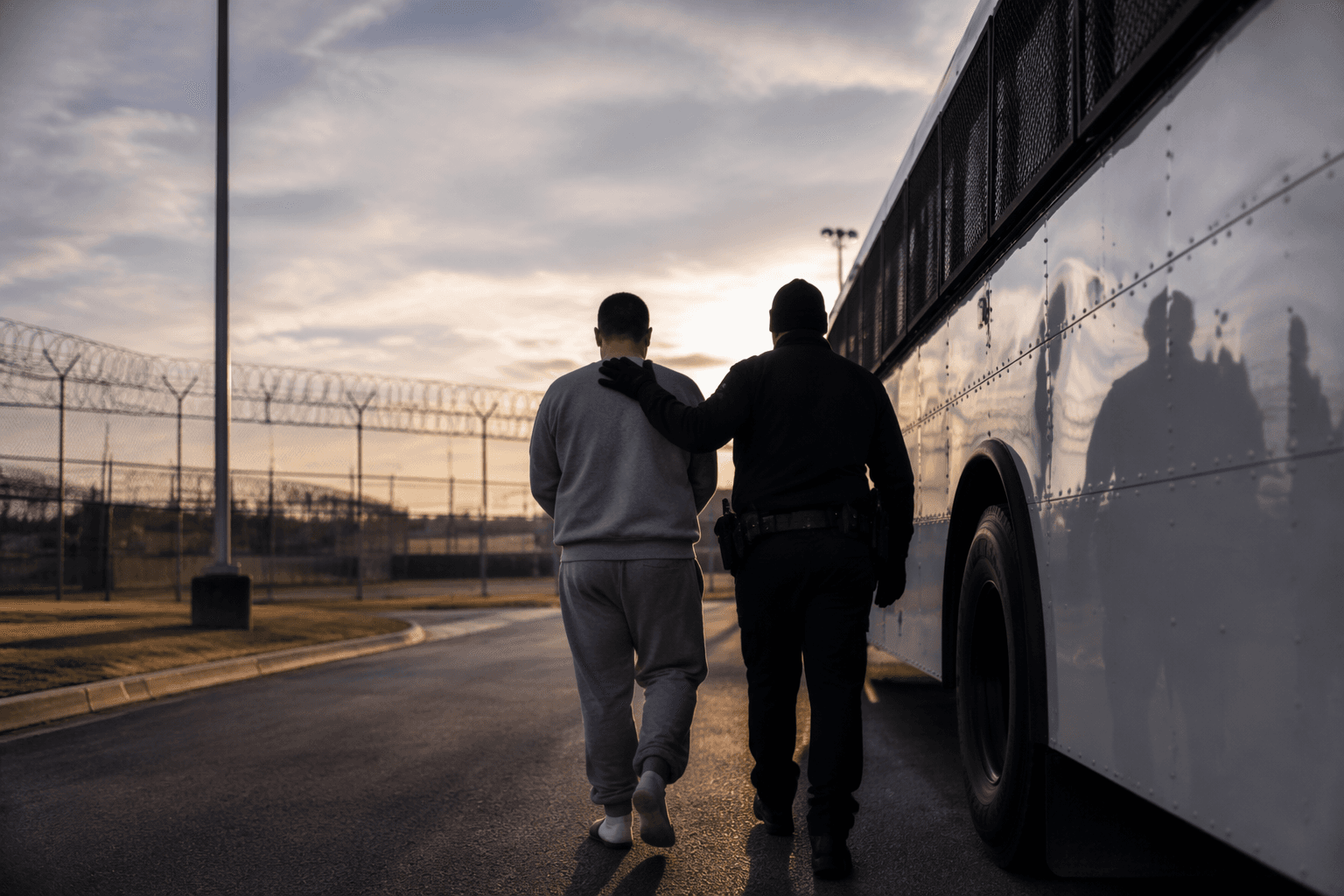
The dispute highlights a recurring problem in cases tied to immigration arrests and violent crime: witnesses can be essential to establishing what happened, yet the same enforcement system that detains them can also make them harder for prosecutors, defense lawyers and judges to reach. By ordering Rojas Pliego released, the judge signaled that the court’s need to secure evidence and testimony outweighed, at least for now, the government’s custody interests.
The case has also spilled into the streets of Houston. Demonstrators marched through downtown Houston on July 25, 2026, during the “ICE Out of Texas / Marchamos Por Lorenzo” rally, calling for accountability in Lorenzo Salgado Araujo’s death and for changes to federal and state immigration policy. The protest added public pressure to a case already loaded with questions about how far immigration authorities can go before they begin to interfere with the justice system’s fact-finding role.
The Texas shooting has become one of the state’s most closely watched immigration-related legal fights because it sits at the intersection of a homicide investigation, federal detention powers and constitutional concerns about fair proceedings. The release order keeps Rojas Pliego in play as a witness, and it leaves open a broader question that will outlast this case: whether immigration enforcement can pursue its own goals without undercutting the courts’ ability to establish the truth in violent-crime cases.
This article was produced by Prism’s automated news system from verified source data, official records, and press releases, then run through automated quality and moderation checks before publishing. The system is built and supervised by the people who set the standards it runs under. Read our full AI policy.
Did this article answer your question?