Pentagon says U.S. industry still lags Ukraine’s wartime output
The Pentagon said U.S. drone makers were still in the “earliest, hardest phase” of catching Ukraine’s wartime output, a gap that could strain stockpiles and ally support.
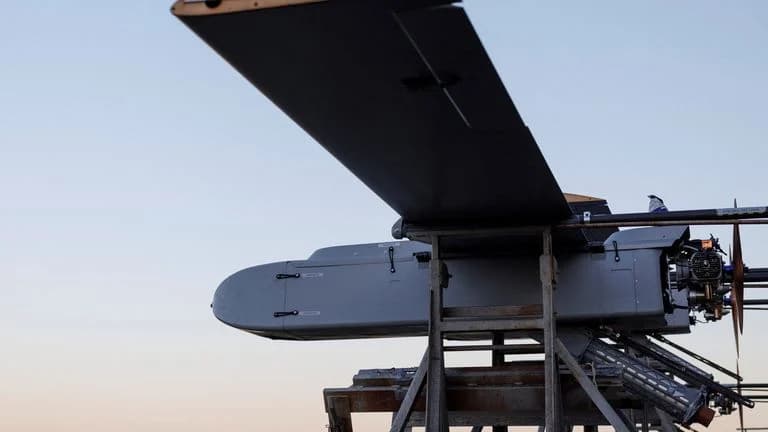
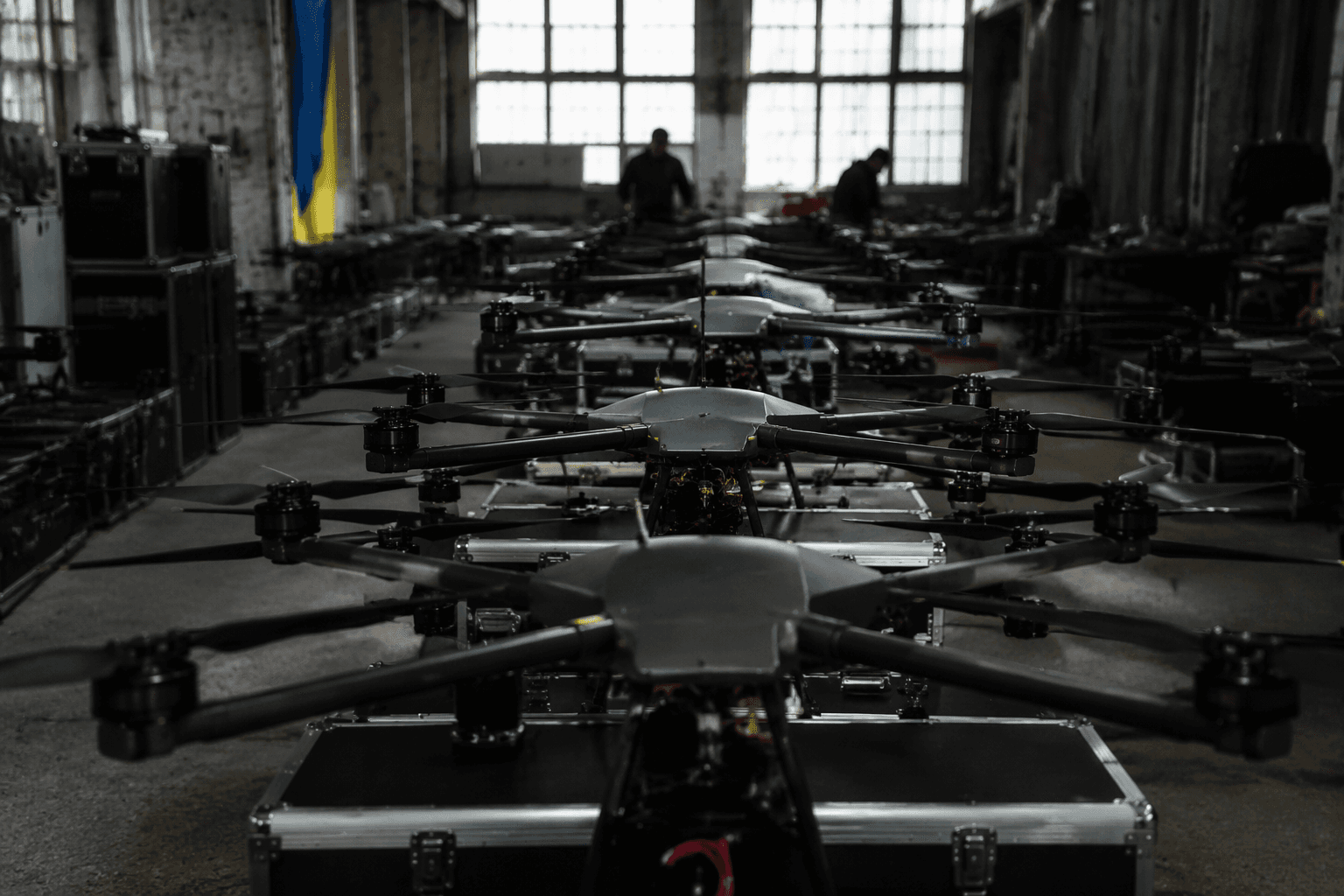
The Pentagon official tasked with building a domestic drone industry said the United States was still in the “earliest, hardest phase” of trying to match Ukraine’s wartime output, underscoring how manufacturing speed has become a national-security test. The assessment came as Ukraine agreed to export drones to the United States for the Pentagon’s Drone Dominance program and Volodymyr Zelenskiy said Kyiv and Washington were moving ahead on joint drone production.
The comparison goes beyond drones. If U.S. industry cannot replace missiles, shells, drones, spare parts and other critical equipment fast enough, military planners may have to ration stockpiles, slow deliveries to partners or accept readiness gaps in a prolonged crisis. That is why the Pentagon’s view matters for deterrence: a force can look strong on paper and still be vulnerable if its suppliers cannot keep pace with battlefield consumption.
Washington has been trying to close that gap for months. CSIS said the Pentagon first outlined the goal of putting the U.S. industrial base on a “wartime footing” in November 2025, then noted in a July 2026 progress report that government and industry had begun large-scale public and private investments, deployed new industrial-policy tools and pushed acquisition reforms. A separate CSIS report in July said the industrial base was getting stronger for wartime production even as conflicts continued to burn through weapons at a ferocious rate.
The pressure is especially acute in drones, where Ukraine’s combat experience has forced rapid adaptation and production under constant attack. The Pentagon’s effort to build a domestic drone industry is now tied directly to transatlantic production, with Ukraine agreeing on July 22 to export drones to the United States and Zelenskiy saying two days later that joint production was moving forward. Defense firms are being pushed to invest in new facilities, expand shifts and streamline supply chains to reduce lead times, a process that depends as much on labor, contracts and manufacturing lines as on design.
The warning fits a longer pattern. RAND said in a May 2025 report that the Russia-Ukraine war was already shaping U.S. and European defense industrial investment, procurement and production policy, while a U.S. Department of Defense report in September 2018 had flagged manufacturing and supply-chain resiliency as a persistent problem. More than seven years later, the Pentagon is still measuring how far U.S. production remains from wartime pace.
This article was produced by Prism’s automated news system from verified source data, official records, and press releases, then run through automated quality and moderation checks before publishing. The system is built and supervised by the people who set the standards it runs under. Read our full AI policy.
Did this article answer your question?