Judge Orders Restoration of $233 Million in Homeland Grants to Democratic States
A federal judge in Providence has blocked the Trump administration’s reallocations of Homeland Security and FEMA grants and ordered the restoration of more than $233 million to several Democratic led states and the District of Columbia. The ruling, which found grant reductions arbitrary and tied to states’ immigration enforcement policies, has immediate budgetary and preparedness implications and could reshape how federal disaster funds are wielded going forward.
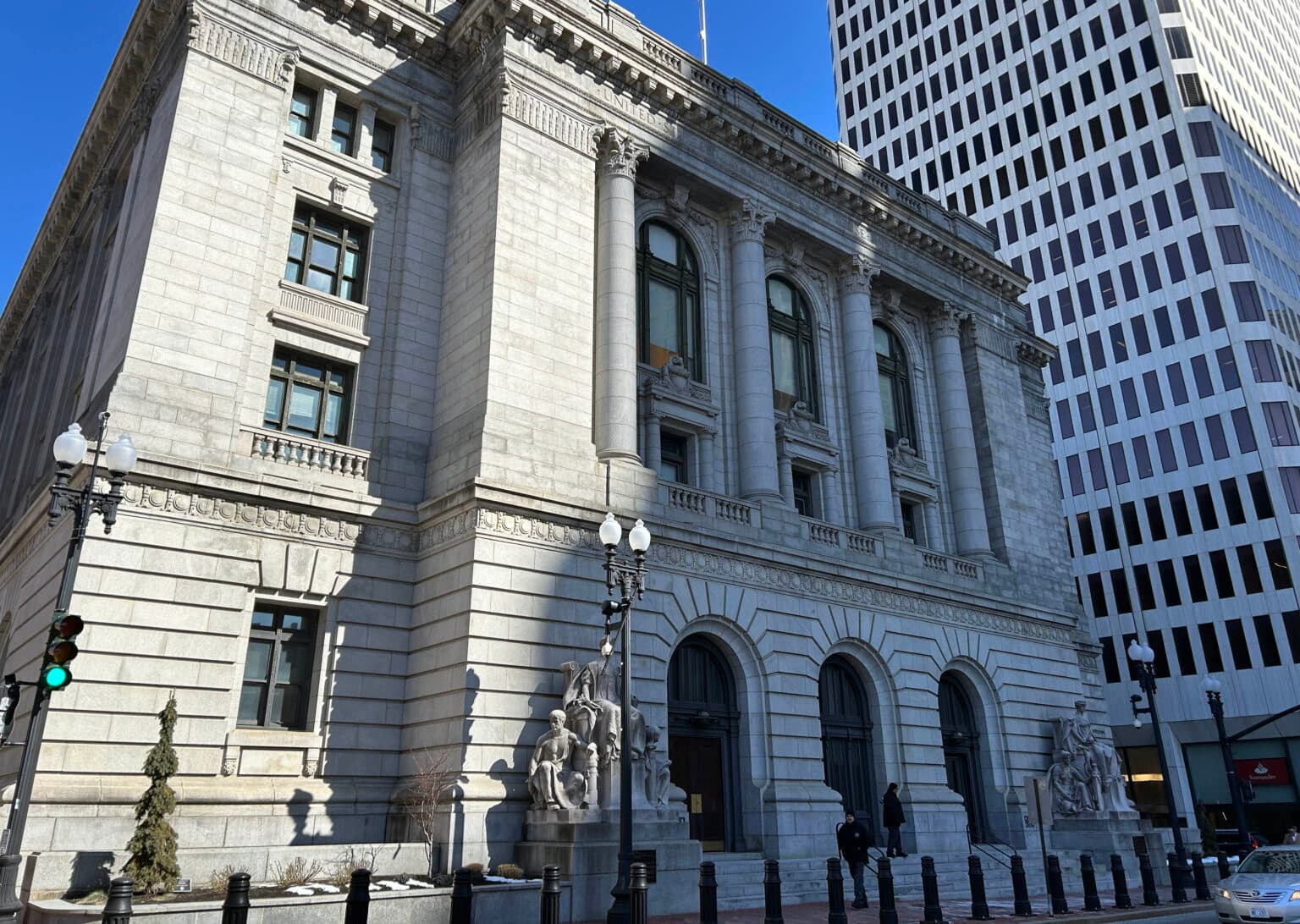
A federal judge in Providence, Rhode Island, has enjoined the Department of Homeland Security and the Federal Emergency Management Agency from carrying out a plan to reallocate and reduce grant funding to a group of Democratic governed jurisdictions, ordering restoration of more than $233 million that had been cut from their allocations. The 48 page written opinion, attributed to Judge McElroy, found the administration’s decisions arbitrary and impermissibly tied to states’ positions on cooperating with federal immigration enforcement.
The plaintiffs named in post ruling coverage include Connecticut, Delaware, the District of Columbia, Massachusetts, Minnesota, New York, Rhode Island, Vermont and Washington. Those jurisdictions were among those from which DHS and FEMA had announced cuts totaling in excess of $233 million, according to court filings summarized in coverage of the decision. The order restores the previously announced allocations and bars the agencies from implementing the contested reallocations while the litigation proceeds.
The court’s analysis focused on the administration’s consideration of state and local immigration enforcement policies as a factor in distributing Homeland Security Grant Program funds and related awards. The opinion concluded that conditioning cash for preparedness and mitigation on cooperation with federal immigration authorities exceeded statutory authority and lacked reasoned decision making under administrative law standards. The court also noted related actions by an Office of Homeland Security to withhold roughly $3.6 billion in mitigation grants, describing that larger decision as implicated in separation of powers concerns, although reporting varies on which programs and plaintiffs are tied to that larger dollar figure.
For affected states, the ruling provides immediate fiscal relief. While $233 million is a small share of total state budgets, the sums are concentrated in homeland security and hazard mitigation programs where timing matters for contracts, planning and local grants. Federal grant predictability matters to municipal finance: changes to expected federal receipts can complicate capital projects and emergency planning, and they are monitored by rating agencies and investors who assess long term revenue stability for state and local issuers.
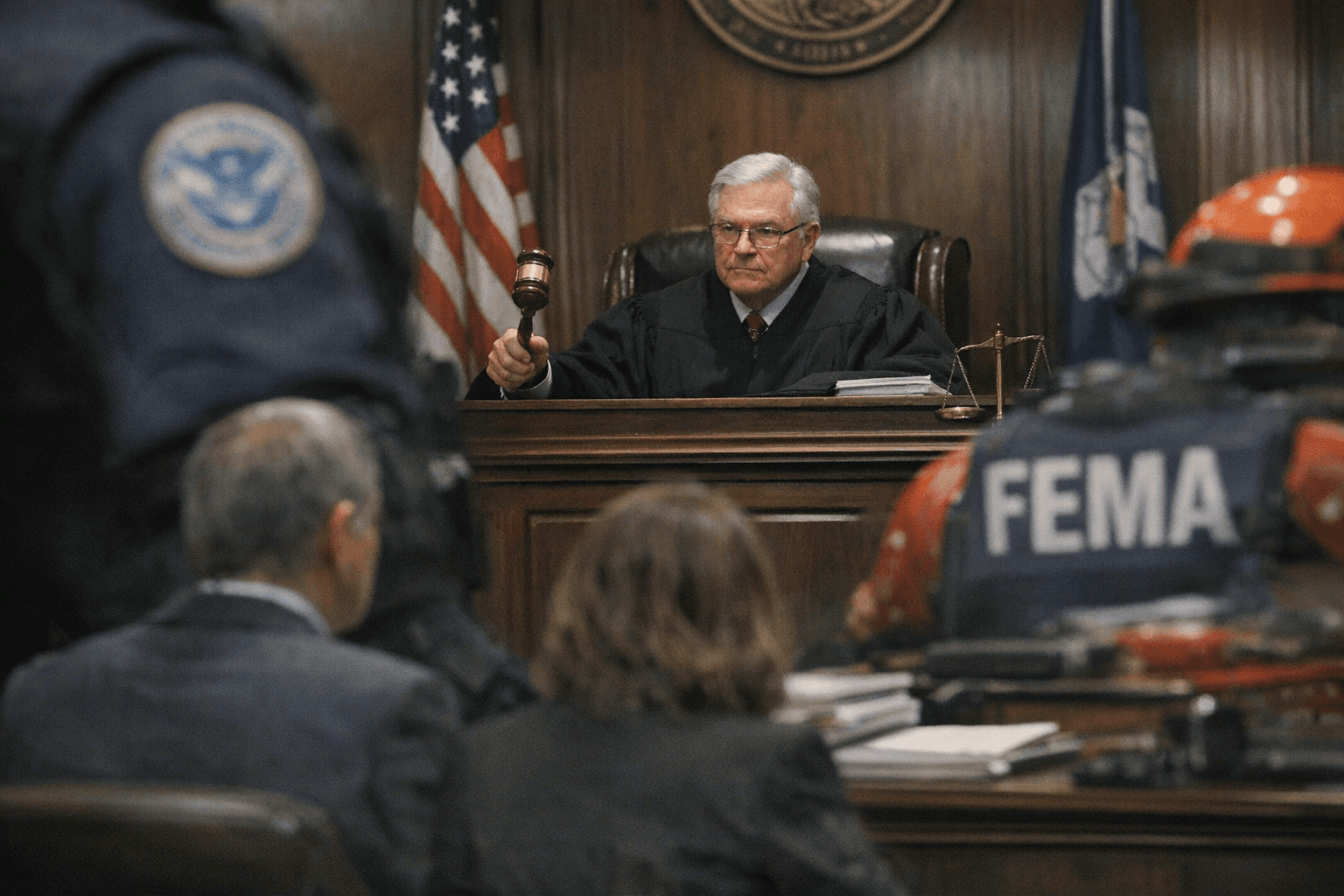
Market implications could be modest but real. Restored federal funding reduces short term cash pressure for jurisdictions that had to reassess projects. It also removes a potential new source of policy risk for municipal bondholders who prize the stability of intergovernmental transfers. If the administration appeals and litigation expands to other programs and states, uncertainty could return and raise risk premia for certain issuers, particularly those with heavy reliance on federal mitigation dollars.
Politically and legally, the ruling fits into a broader trend of courts policing the use of federal funds as leverage in immigration disputes. A separate federal ruling that found it unconstitutional to condition FEMA disaster funding on cooperation with federal immigration enforcement is part of the backdrop for this case. Lawyers for the administration are expected to appeal, and further litigation could address the scope of executive discretion over mitigation and homeland security assistance.
The immediate effect is clear. DHS and FEMA must restore the allocations at issue so that state and local officials can resume planned spending. Longer term, the dispute highlights how federal grantmaking can become an arena for contested policy goals, and it signals that courts may scrutinize efforts to tie emergency assistance to unrelated political priorities.
This article was produced by Prism’s automated news system from verified source data, official records, and press releases, then run through automated quality and moderation checks before publishing. The system is built and supervised by the people who set the standards it runs under. Read our full AI policy.
Did this article answer your question?